

The Blog

How to Create a Profitable E-commerce Business Traffic System that Increases Website Visits and Sales
A how-to guide to using paid and organic generation and tracking strategies to improve an e-commerce store's website
Brick-and-mortar stores are out, and digital storefronts are dominating the market. Sales at Mom-and-pop shops and department stores are going down yearly, with consumers shopping more and more online. An e-commerce business needs to capitalize on the online world and emphasize driving conversions, starting with targeting potential customers and getting them to visit.
Generating traffic is the only way to increase website sales. An e-commerce website must have a steady flow of visitors all day, every day, at a manageable and sustainable cost to be profitable. Becoming and staying profitable in e-commerce is more easily achieved by building a Traffic System.
The Importance of a Traffic System
Implementing a Traffic System enables owners to achieve goals by following practical steps. While no system is foolproof or comes with a guarantee, utilizing proven approaches can guide an owner to yield optimal results.
Systems help improve traffic by streamlining complicated procedures that can feel cumbersome and become a burden to many owners. There are generally two approaches to structuring a Traffic System. The first approach is paying for ads and tracing traffic, and the second is building traffic organically.
A Paid Traffic System
The paid route, using Pay-Per-Click (PPC) and Meta ads, can become expensive and is a cost that can quickly eat into a new business’ profits. Established e-commerce stores looking to expand their reach usually benefit more from PPC and Meta ads than a new store that cannot allocate sufficient time to manage a Paid Traffic System.
1. Proper Organization and Research
When implementing a Paid Traffic System, e-commerce business owners need to take time to understand conversion rates and tracking clicks. Proper organization is vital when building a Paid Traffic System.
The more time spent researching, prepping, and tracking, the greater success an e-commerce business can have in driving traffic to its website. If an e-commerce business owner does not trace traffic, then marketing is a misuse of time and money.
2. Urchin Tracking Module (UTM)
The entry into Paid Traffic Systems for most e-commerce businesses is Google Analytics, more specifically, Urchin Tracking Module (UTM). UTM is a code placed at the end of a Universal Resource Locator (URL) to track search terms, emails, social media, and traffic sources.
If an e-commerce business does not use UTMs, there’s no way to determine where the website traffic originates, making it impossible to find what audiences are visiting. Thus, losing the opportunity to fine-tune strategies.
3. Conversion Pixels
Tracing the traffic is not enough. An owner needs to know the cost per sale, right down to the very last cent, which is easily achievable using conversion pixels. Pixels are a code on an e-commerce website’s landing pages that tracks visitors’ actions upon arrival from an ad. Pixels track and store visitors’ data, including clicks, dwell time, page interest, and total spending.
Paid Traffic Systems are very rewarding when done correctly, but unless an owner has an analytics specialist on staff or the time to learn and tend to the system adequately, it can become a costly nightmare. POLA Marketing can show e-commerce owners the beauty of designing a Paid Traffic System that converts to sales.
The Three Pillars of an Organic Traffic System

The second approach to creating a Traffic System is to use organic steps. This approach is not just for new businesses but also experienced ones. An Organic Traffic System involves search engine optimization (SEO), blog writing, and social media marketing. These three pillars are the key components that support an Organic Traffic System.
The three pillars are essential because search engines are the way most consumers research products and services. In the e-commerce industry, a business needs to be in the top half of the search engine results page (SERP) for applicable keywords consumers search for to generate traffic.
1. SEO Web Design
For an e-commerce site to get into the top half of the SERP, an owner must first use SEO tactics to optimize their website. A fully optimized website is interactive, easy to navigate, and responsive. Every landing page on an e-commerce website should load in under two seconds, and the website needs to be mobile-friendly, as consumers mostly search for information through their phones.
Human elements, like testimonials and team profiles, allow for connections to form between consumers and e-commerce websites. Visuals like professionally taken photos and videos also increase visitors’ dwell times on websites. Having interactive and engaging content can help establish visitors’ shopping experiences and create repeat customers.
2. SEO Blog Writing
The second pillar is SEO blog writing, which includes fresh, informative, keyword-heavy articles. An e-commerce blog must remain relative by regularly adding new written content. It’s a commitment, but if an e-commerce business consistently produces articles, momentum will build, and its SEO footprint will increase.
3. Social Media Marketing
Social Media Marketing is the third pillar of building a successful Organic Traffic System. The dominant social media platforms are Facebook, Instagram, LinkedIn, and TikTok. Utilizing these platforms through written content, graphics, and video is essential to drive traffic to an e-commerce website.

How to Use E-commerce Analytics to Track and Drive Online Sales
Photo Credit: http://www.roubinirugs.com/
E-commerce analytics 101: a guide to using metrics to leverage the power of data to grow online business revenue
Shoppers are choosing to spend their money through e-commerce rather than physically going out and driving around to store after store, hoping they may find what they want. Most brick-and-mortar stores no longer receive the foot traffic they once had and can no longer afford to keep vast selections in stock.
Major clothing brands are exploring non-traditional locations to get products in-store. Recently, Target, one of the few brick-and-mortar franchises opening more store locations, is now selling clothing from the iconic brand Levi’s. Once easily found in department stores all over, the brand relies heavily on e-commerce. Hoping to ramp up in-store sales and further its availability, Levi’s decided to partner with Target.
“Strategic partnerships like Levi’s continue to drive preference for Target, and guests turn to Target for the very best national brands alongside more than 45 incredible owned brands,” said Jill Sando, executive vice president and chief merchandising officer of Target. “Since offering our guests Levi’s Red Tab label for the first time more than two years ago, paired with our unmatched owned brand offerings, we’ve established Target as a go-to place for denim. With more must-have, quality styles available in more stores across the country in 2022, we’re thrilled to offer a dose of inspiration and joy through our growing Levi’s assortment at an incredible value.”
One of the reasons why Target has survived online stores like the powerhouse Amazon is that the company embraces e-commerce. Target’s website is optimized and provides shoppers with a great experience. Additionally, Target offers an e-commerce service, same-day delivery. Shoppers can go online, select items available at a nearby target location, make the purchase, and have their items delivered to their home, in most cases, within one hour’s time.
The battle for retail dominance no longer lies in in-store sales. E-commerce reigns supreme simply because it’s more convenient, saves money, and offers a better selection of products and brands. Every e-commerce store, whether established or just beginning, realizes they are not competing against brick-and-mortar stores.
The competition is the powerhouse e-commerce websites that have been perfecting their customer’s journey since the beginning of e-commerce. An e-commerce business needs to utilize data to track and drive online sales to compete in the industry.
The Power of the E-commerce Consumer

In e-commerce, direct-to-consumer (DTC), and business-to-consumer (B2C), consumers have the power. Product reviews from friends and TikTok celebrities influence younger demographics’ shopping habits, while older demographics peruse online stores searching for the best price.
Nearly 60 percent of working-age consumers purchase a product online every week. The e-commerce industry was worth $4.9 trillion in 2021 and is projected to reach $7.4 trillion by 2025.
The amount of e-commerce stores available to consumers presents sales challenges for online stores, as consumers need a particular reason to buy from one online store over another. That’s why e-commerce websites must deliver the best shopping experience possible, which can only be achieved through analyzing data.
Analytics are the driving forces that enable an e-commerce business to dive deep into facts, figures, historical data, and forecasts to make the best marketing decisions.
E-commerce Analytics

Photo Credit: https://etactics.com/
Before data can be analyzed, every e-commerce business needs to implement traffic systems, sales funnels, and email marketing. These tactics increase consumer visits to online stores. After proving successful, it’s time to convert those visits into sales through analytics.
E-commerce analytics is the process of gathering all the data from an online store’s website, organizing the information to understand consumer trends and behaviors, and utilizing them to drive sales.
Businesses have various obstacles beyond their competition, including streamlining the customer experience, abandoned shopping carts, conversion rates, attracting ideal customers, and retaining customers.
E-commerce Metrics and Key Performance Indicators (KPI)
Tracking metrics and creating a Key Performance Indicators (KPI) Dashboard makes navigating sources easier. The tools allow e-commerce business owners to develop better decision-making insights by monitoring their online store performance, products, marketing, and customers.
Also, by using metrics to track gross profits, average order value (AOV), and refunded orders, businesses can identify causes for poor revenue, a low AOV, and refunds. There will be trial and error initially, but learning what needs to be fixed is the best way to zero in on approaches to increase online sales and AOV while reducing refunds.
In addition to using a KPI dashboard, metrics like customer lifetime value (CLTV) and customer acquisition cost (CAC) can help compare and predict the lifetime value and the cost of acquiring new customers. These metrics are beneficial in determining if specific customers are worth targeting.
Every e-commerce store is unique and requires an individualized approach to targeting customers. There are a multitude of metrics available to drive online sales. Finding the right direction takes time, and while it can be overwhelming initially, the work will pay off.

A Full E-Commerce Guide to the Customer Experience and Cost
An e-commerce guide to understanding the customer journey, customer lifetime value (clv), and customer acquisition cost (cac)
E-commerce has become more popular than ever before in the wake of the 2020 pandemic. It is an industry that has seen many success stories, but at the end of the day, it is a sink-or-swim market. What are the critical factors that can decide an e-commerce company’s success? For that answer, a company must first understand the customer journey, customer lifetime value (CLV), and customer acquisition cost (CAC).
The Customer Journey

The customer journey is the process and experience of how e-commerce products are ordered, delivered, and perceived by customers. The perception of the customer journey begins the first time a customer learns of a product’s existence and continues through delivery, use, and throughout the cultivated relationship.
However, what makes some customer journeys more impactful than others? Customer engagement, outreach, ease of access, and customer support are elements of ensuring a positive customer journey.
Customer engagement and outreach come down to keeping e-commerce customers in the know. They want to know exclusive offers, limited sales, and order and shipping updates. Keeping customers in the loop through short messaging service (SMS) about these things is essential to making customers feel valued.
Ease of access is simple but effective if executed correctly, allowing customers from all walks of life to navigate an e-commerce company’s website easily. Having a streamlined, simple-to-use, and visually appealing e-commerce website is the best way to ensure ease of access.
Customer support is vital to the customer journey, especially to retention and satisfaction. When consumers hit a bump in the road, such as a misplaced order or complications with an e-commerce website, customer service is where they go. Consumers want a quick and easy customer service experience to resolve any issues. This is why ensuring an e-commerce company’s customer service staff is well-trained, friendly, and helpful to customers is a priority. All of these aspects culminate into the entirety of the customer journey.
Customer Lifetime Value (LTV)
Customer lifetime value is the individual value of a specific customer based on their purchases on a website over time. It is also usually linked to customer satisfaction metrics since a customer will typically return if satisfied.
LTV is one of the most crucial data points when measuring customer satisfaction, specifically what works and is not beneficial. LTV does a great job helping e-commerce companies understand the aspects driving sales and increasing customer lifespan.
By collecting data, e-commerce companies can reallocate resources to the things that are increasing sales and cut unnecessary costs. It also allows companies to pinpoint their most profitable customers and reward these specific customers for being loyal. These customers can be offered deals, coupons, and sales specific to them to keep them loyal and purchase more frequently.
Loyalty programs can also increase customer lifetime value. Making customers feel like they are being rewarded for their loyalty to a business will make them come back more often. When this occurs, LTV increases overall profits for an e-commerce business drastically.
When it comes to selling to customers, existing customers are very important. Any given business is about 65 percent more successful in selling to existing customers than new customers. Customer retention is much more important than customer acquisition. A good customer lifetime value number usually is three or four times higher than average customer acquisition costs. Anything below this needs attention and care to increase profitability.
How can a business increase customer lifetime value? Cross-selling items is a great way to begin driving up LTV. Bundling certain items together that are normally bought simultaneously is an excellent example of cross-selling.
Utilizing user-generated content is a very underrated way of improving LTV. User-generated content is anything from customer reviews to testimonials or even social media posts showing off a product.
People trust other people’s opinions on specific products and services more than they trust a business’s opinion. This is why user-generated content is so important. Posting these testimonials and reposting product reviews on social media is a fantastic way to implement user-generated content to increase customer lifetime value.
Customer Acquisition Cost (CAC)
Of course, e-commerce businesses want more customers, but what is the average cost of acquiring these new customers? Every e-commerce company wants to spend less to acquire customers and receive more in lifetime value. Customer acquisition cost (CAC) encompasses the cost of acquiring a single customer. This includes marketing, product, labor, and other costs associated with getting a product to a customer.
CAC is vital because it allows businesses to see how much profit they need from individual customers to cover their acquisition costs. Basically, if the cost of acquisition is greater than the profit per customer, there will be a net loss.
How is CAC measured? The simple answer is if a $1000 advertisement brought in five customers, the CAC is $200. Cost over customers is the most simple formula. So how can a company increase this margin? Improving advertisements and marketing campaigns is the best way to increase CAC.
By having more appealing and enticing content in the advertisement, it will get more clicks online. If an e-commerce business has an excellent CAC but isn’t profitable, goods costs may need to be increased.
Raising costs makes it possible to lose some customers but increases margins. Finding the perfect middle ground from competitive prices to profitable prices is vital. User-generated content is essential not just for LTV, but for CAC, too. User-generated content such as social media testimonials, reviews, and product evaluations create organic site traffic at no cost to an e-commerce business. When it comes to CAC, there’s nothing better than free.
Capitalizing on Customers

Customers’ experiences with e-commerce companies determine margins of profit and what the future holds for specific companies, which is why focusing on customers should be the most important thing for companies. Utilizing metrics such as customer lifetime value and customer acquisition costs are great ways to increase profitability. Companies that capitalize on mastering these aspects will thrive for decades to come.

How an E-Commerce Business Can Effectively Leverage SMS Marketing
The most effective ways to leverage sms marketing to improve e-commerce sales
Short Message Service (SMS) is a vital tool for millions of businesses around the globe. It is used to reach customers that are regular buyers and to reach out to new potential customers. One of the most effective uses of SMS is to advertise sales, deals, or special offers. This use of SMS in marketing is by far one of the most effective ways to reel in customers. While it is beneficial, there are many best practices and ways to improve a company’s SMS marketing. Having a polished SMS is vital to gaining an edge over competitors and increasing its success.
How to Gain SMS Subscribers

The first step for receiving SMS is to sign up or opt-in to these services, which can be done in person at a checkout counter at retailers, through email, or even through customer receipts. Customers need to be encouraged to sign up for a company’s SMS because, in the U.S., it is illegal to send unsolicited SMS marketing messages without consent.
During account setup for online shoppers, there is usually a box that customers can check off to opt into SMS. The method is highly effective in gaining SMS recipients. Another great way to gain more SMS subscribers is to offer deals to customers who sign up. For example, a simple five to 10 percent off a first purchase or next order can go a long way.
Message Frequency and Length
Like any part of a business, SMS has best practices that should be followed. One of the biggest issues many companies face with SMS is sending too many messages. No one wants their device to be spammed with messages from their friends and family, much less a business. Many people consider sending more than one message weekly to be too much. It depends on the company in the end.
The frequency of messages sent ultimately comes down to knowing customers and products. If someone is a more frequent customer, they will most likely want more offers and messages sent to their device. The same principle applies to the opposite. Customers who use a company’s services once a month do not need more than one message weekly.
Message length is just as important. The average attention span of a person in 2022 is approximately eight seconds. If an SMS message is long and drawn out, odds are, it will only be read partially, meaning that short, attention-catching messages are critical.
However, what if the message has to be long to convey the deal or offer? When this is the case, the best way to execute a successful SMS is to send an attention catcher and a link. The attention-catching message should be descriptive with keywords like a specific product, service, or deal. If this attention catcher is effective, customers will likely click on the link to the company’s website. The link brings customers to the original message’s expounded description of the sale, product, or service. The method is vastly underutilized by most companies, but a great way to capture the attention of SMS subscribers.
Message Tonality
No one likes the feeling they are talking to a robot or computer. Think about using a customer service platform or troubleshooting service. When given a choice, customers naturally gravitate to speaking with an agent over the phone rather than a robot because people trust people.
When it comes to SMS, people want to feel the same way. Customers will see messages more appealing when they feel someone wrote them specifically. Moreover, this is important, considering that SMS goes to customers’ devices. When it comes to these personal devices, messages should be conversational. There is no need for a formal tone of voice when using SMS, as the tone can make customers feel pressured or intimidated, which is the last thing a company wants. Sticking to a personal tone with SMS will undoubtedly increase customer loyalty and trust in the long run.
Message Content
Sending a 47-year-old male a deal on the best mascara or lipstick on the market is surely useless. Nothing will disengage a customer more than offering them something that is not appealing or applicable.
In order to send appropriate and informative messages, SMS subscribers should be filtered into categories. These filters can include age, sex, purchase history, profession, location, browsing behavior, and more. When customers are segregated into these groups, it makes it much easier to communicate with them effectively.
Customers also need to feel as if they are getting value from these SMS texts. One of the most valued SMS features for customers is shipping updates. Everyone wants to know how many stops away their packages and orders are. Another great SMS feature is reminders for appointments and meetings. The most valued SMS texts, however, are great deals and offers. People love a sweet deal, and there’s no better way to entice customers than to advertise to them through SMS.
Measuring SMS Success

Just like with any other branch of a business, the effectiveness of SMS can and should be monitored to ensure it is used to its full potential. By tracking customers engaging with SMS, a company can further optimize its methods based on what is working and not working. If a company’s SMS system is doing poorly, more filters may be needed to ensure appropriate messages for specific customers. Companies should also experiment with the timing of messages and measure the engagement of messages sent at different times of the day to optimize timing. Using these metrics can improve SMS strategy drastically.
The Power of SMS
Whether a company employs SMS for promotional purposes, reminders, or even birthday messages, it is undoubtedly effective. SMS marketing’s biggest strength is that it can reach customers worldwide, giving a business a massive advantage over competitors that do not utilize the service. How effective SMS is, is up to the company. Overall, SMS is an excellent addition to any marketing campaign.

Top Four Questions to Ask When Building an E-Commerce Branding Strategy
Why e-commerce store owners must build a strong, consistent brand to foster customer loyalty and dominate the market
From clothing and accessories to groceries and electronics, shoppers can purchase almost any product online. People tend to gravitate toward recognizable, well-known brands. A brand is more than a logo. A brand is a culmination of emotions, perceptions, and personality traits associated with a store and its products. E-commerce stores with established brands differentiate themselves from competitors and sustain growth.
What is the Brand Story
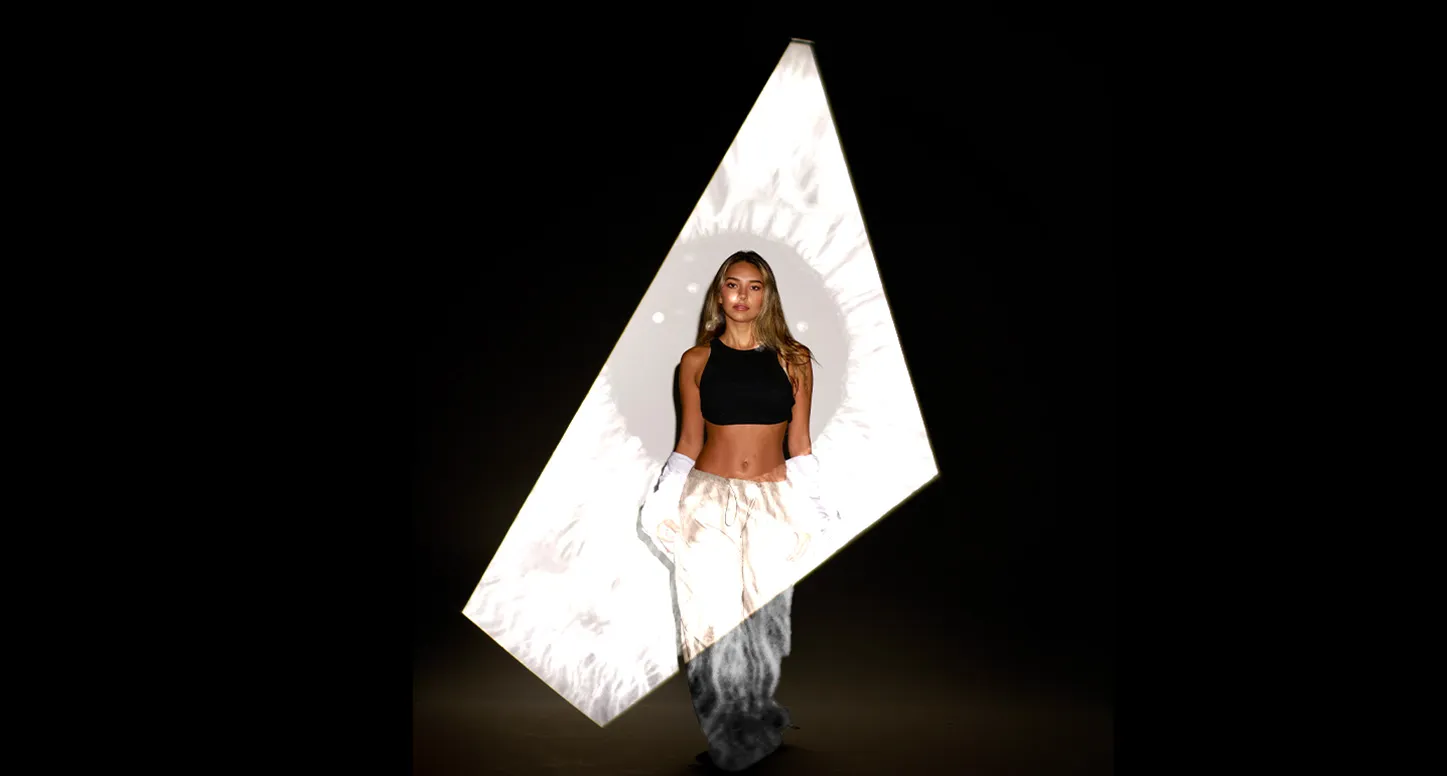
Photo Credit: The POLA Studio
Storytelling is irresistible to humans. When e-commerce stores have a memorable and compelling brand story, customers are likelier to engage and buy from that store. The brand story sets the tone for all future messaging. All brand stories should answer the following questions:
- When was the store created?
- Where did the store get started?
- Why was the store created?
- Who founded the store?
- What is the store’s purpose?
What is the Product, and Who is Buying it
An e-commerce store’s products and buyers go hand-in-hand; without a purchase, there is no store. The ideal target audience can become more apparent when a brand specifies what they make their products with, where they make them, and how to use their products correctly. By identifying the target audience, brands lay the foundation for all marketing efforts moving forward. Key demographic identifiers include:
- Age
- Gender
- Income level
- Values and ideals
- Geographic location
- Interests and hobbies
“For a long-standing customer relationship to come to fruition, the focus needs to shift to creating demand — which is answered by a long-term approach to building a brand,” says Neil Verma, founder of eBrand Builders.
Once the products and audiences are clearly defined, e-commerce business owners can craft a product story that generates demand with their ideal purchasers. With strategic targeting, stores can turn interested customers into loyal customers ready to offer long-term support.
Who Are the Major Competitors
Photo Credit: The POLA Studio
Similarly to purchasers, competitors play a significant role in the success of e-commerce stores. Market research can elevate a store’s branding strategy and help distinguish online storefronts in a saturated environment. Brands that know how their products differ gain a competitive advantage. They can then formulate visual and verbal branding strategies to leverage the finest facets of their products. Focus points of e-commerce that can help to identify market differences include:
- Visual branding
- Packaging
- Pricing
- Verbal communication
- Product value
How Can E-Commerce Brands Stand Out
With plenty of e-commerce stores in the market, it can take time to create a unique brand. Using a combination of distinctive visual and verbal elements will assist stores in crafting a personal brand identity. E-commerce business owners must make all branding decisions with customers and competitors in mind.
Verbal Communication
A brand is more than what meets the eye. Core values, taglines, brand voice, and copy must resonate with the target audiences but still differ from competitors.
Strong values combine the needs of the target audience and the promises of the store into clear and short statements. Core values formulate a company’s culture and attract like-minded people. E-commerce stores soar to new heights when their values align with their target audience’s values.
With taglines, e-commerce business owners can attach catchy phrases to their brands. For example, the phrase, “Just Do It” is attached to the Nike brand. Taglines must be relevant to the brand, or they won’t stick.
E-commerce stores must communicate all verbal elements in the same tone; this is called the brand voice. Combined with stellar copywriting, the brand voice can clearly and effectively convey specific personality traits when communicating with consumers.
All copy, including ad copy, blog posts, and social captions, must follow standard grammar rules. Avoid typos and write with clarity to maintain professionalism across the board.
Visual Identity
Photo Credit: The POLA Studio
E-commerce stores utilize visual branding for every marketing element, from product listings to packaging. Creativity and consistency are essential when it comes to color palettes, logos, and typography. Shoppers are likelier to trust and remember e-commerce stores with uniform branding across their websites, social media accounts, and emails.
A distinct color palette memorably positions brands in the visual sphere when marketing to potential customers. When choosing a color palette, refer to market research to prevent direct competition. Establishing two to three colors that distinctly represent the store creates character. Research shows that colors can cause different consumer reactions. For example, bright red can trigger customers to take action. Ultimately, business owners must base their decisions on what they believe is most suitable for their brands.
Logo designs consist of important symbols, letters, words, or photos that create an e-commerce store’s brand image. Some logos even include the company’s tagline. Regardless, logos must be cohesive and have clarity, no matter how large or small they are displayed.
Typography is a visual expression of the written word. From product descriptions to website design, typography portrays the personality and tone of voice attached to an e-commerce store. Branding shouldn’t distract from available products; choosing between one to three font families is essential to keeping branding clean.
E-commerce stores use graphics and visual content for social media posts, digital ads, and website design. Digital graphics about sales or promotions can help stores communicate important information quickly and clearly. All graphics should be high-resolution and match the store’s chosen color palette and typography whenever possible. Stores should always lean toward content that resonates with their voice and adds value to the customer experience.

How to Incorporate Social Media into E-Commerce Marketing
Top five goals e-commerce brands must set to amplify social media marketing efforts and increase sales
Consumers live on social media, and e-commerce stores have greater success when they communicate with customers where they spend most of their time. Social media is becoming an increasingly popular avenue for online shopping with features like social commerce, chatbots, and more benefits than traditional marketing techniques.
In such a competitive market, a robust social media presence puts shops in front of new audiences, essentially increasing sales. The biggest advantage e-commerce storefronts have is being virtually accessible to shoppers everywhere. Social media can be the cherry on top, coating irresistible product offerings with organic connections and community.
Top Five E-Commerce Social Media Marketing Goals and How to Reach Them
Only some platforms will be the right fit and offer enough benefits to outweigh the cost of content creation. E-commerce shops can optimize efforts by prioritizing the platforms that host their target audiences to provide the best return on investment (ROI).
Before creating social profiles, e-commerce stores must ensure that they optimize their websites for mobile and that their landing pages are easily navigable with clear call-to-actions (CTAs). Users will lose interest and click out if a brand’s website isn’t fully functional.
Driving traffic, building community, fulfilling customer needs, increasing sales, and building brand awareness should be e-commerce brands’ primary goals. Each goal works in synchronicity with the others to create a strong yet effective social media strategy.
Build Community
Social media is the best avenue for e-commerce shops to build community, credibility, and customer loyalty. Purchasers are more likely to buy from brands they trust, especially if their friends also trust them. Users who feel satisfied with a brand may post social content about its products to their feeds, exposing the brand to their own followers.
On Facebook, e-commerce stores can create groups where customers discuss topics related to their brands and connect with like-minded people. The larger the online community, the more impact a brand has on potential purchasers.
Build Brand Awareness

When e-commerce brands have strong supportive communities, brand awareness skyrockets. On social media, brands must build awareness through brand recognition, consistent communication, and collaboration. When shoppers recognize and trust a brand, they know exactly where to go when they are ready to purchase. Using genuine content to communicate allows brands to stand out to customers scrolling through their feeds full of e-commerce posts. Employing the help of influencers and creators or collaborating with other brands will produce a broader audience.
Address Customer Needs
Before making a purchase, customers need to know that they can rely on the brand for support throughout the process. Brands can promise quick response time and good customer service, but most shoppers must see it to believe it. Responding to order inquiries through comments and messages on social media establishes accountability and trust with current and potential customers.
Many e-commerce businesses utilize Twitter to tackle customer inquiries because of the platform’s quick-response culture. Activating automatic responses or chatbots also optimizes response time. By investing in a qualified customer service team, social media will stay genuine.
Drive Traffic to Online Storefront
In a world full of distractions, brands must quickly and directly guide customers to their storefronts. When used effectively, social media can be an additional avenue of traffic for stores. Brands can ensure customers know where to purchase their products by placing the storefront uniform resource locator (URL) in all social profile descriptions. Including a strong CTA in a profile description above the URL can entice page viewers to take action. An effective CTA must do one of the following:
- Ask a compelling question
- Use a statement that invokes curiosity
- Promise value
Increase Sales
While social media is a great traffic funnel, there are additional tools to help e-commerce businesses drive traffic and increase sales. The newest tactic, social selling, involves selling products directly on social media. Meta allows e-commerce businesses to display products on their Facebook and Instagram profile pages through the platforms’ new online shopping interface, Shops. Both platforms’ shopping interfaces elevate sales rates significantly.
E-commerce stores should also take advantage of optimizing content for sales. According to Hootsuite, “Video has quickly become the most popular — and influential — content type of social media.”
On Instagram and TikTok, many e-commerce companies go viral from one video post, causing potential overnight sellouts. Idea Pins on Pinterest are another avenue for posting short-form content. E-commerce stores can create boards for product collections and show examples of how to use or style their products.
As with most marketing goals, increasing sales depends on an organized, user-friendly online storefront. An e-commerce brand’s foundational goal must be to create a seamless shopping experience from the landing page through checkout.
Tracking the Success of Social Media Marketing Goals

Tracking and analyzing results is most beneficial for optimizing social media campaigns. Most platforms have built-in analytics systems that will report changes in audience demographics, engagement rates, and conversions.
While quantitative data is always beneficial, there are additional tactics brands can use to measure success. A/B testing is often employed to discover what types of graphic visual content or social copy perform best. Brands can also survey social media mentions to assess the quality of awareness and community — this is called social listening. If organic social media isn’t producing the desired results, brands should incorporate paid ads into their marketing strategy.

How to Utilize Digital Ads for an E-Commerce Business
An e-commerce guide to increasing website traffic through tiktok, meta, and pay-per-click (ppc) ads
Digital advertising can seem like a daunting task. Will the cost of advertising improve the company’s bottom line? How can I be sure that people will see the advertisement? What are the best ways to ensure it will be worth the time and effort? What platforms are the most effective? The answers lay within the realms of TikTok, Meta, and pay-per-click (PPC) ads. These platforms provide distinct advantages over others and can easily reach people worldwide. The sheer amount of traffic that Meta and TikTok receive is invaluable compared to the average billboard. The tricky part is the execution and methods of advertising.
TikTok Advertising for E-Commerce
TikTok is unbelievably popular. It is the best place to mesh e-commerce and entertainment together to create the perfect marketing storm. Different products and online stores blow up overnight because of TikTok.
One of the best ways to further an e-commerce store’s reach on TikTok is through collaborations with popular users. Reaching out to Tiktokers with large followings and asking them for a simple product review could propel a store astronomically. Choosing who to reach out to should be based on audiences, as this can determine advertisement success.
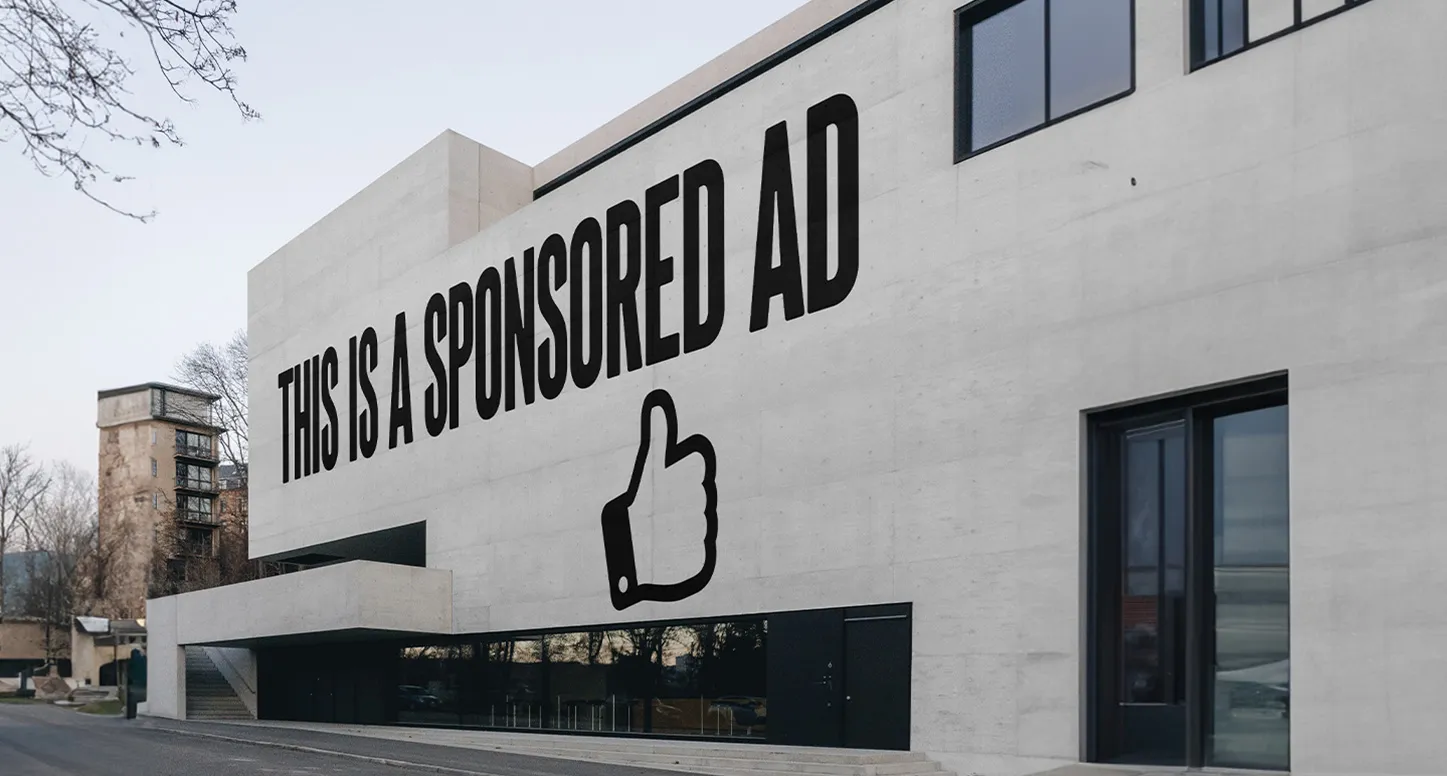
TikTok also allows e-commerce businesses to pay to advertise their products and services on peoples’ for you pages. These ads will appear as users swipe through their feeds and fit seamlessly into the user experience. The only discrepancy between a sponsored ad and user-made content is a small subtext that says “sponsored ad.” After the advertisement plays for a few seconds, a call to action is presented, saying, “shop now.” This link will bring users that click on it directly to the business’s website that was advertising.
TikTok ads allow e-commerce businesses to choose a target demographic, which is crucial to the success of advertising. Companies pay per view of their advertisements on TikTok. So it’s imperative that the right target audience is being reached. TikTok is a great way to kick off a business’s first advertising campaign and can pay dividends.
Meta Advertising for E-Commerce

Meta encompasses two of the most popular social media platforms: Instagram and Facebook. Another advantage of Meta is that Instagram and Facebook, on average, have older users than other social media platforms, especially newer ones. When considering who does e-commerce shopping, it is usually people in their early twenties to late forties. To capitalize on the demographic, Meta has an online store that sells e-commerce products allowing consumers to shop from the comfort of the apps.
According to Meta, the most effective advertising method is the swipe ad. These ads portray products or services in a post, allowing users to swipe to see more. Once all pictures have been swiped through, a link to an e-commerce business’s website appears. Swipe ads have been especially successful on Instagram.
Meta also piggybacks off of TikTok in the form of Reels. Reels follow TikTok’s swipe-to-see format and have the same types of ads. Meta is also a great tool to use for businesses on strict budgets. When running ads on Meta, it is pay-per-view, just like most others, but it allows a company to cap the number of views on advertisements to stay within an allotted marketing budget.
Pay-Per-Click (PPC) Advertising for E-Commerce

Pay-per-click (PPC) advertising is simple to understand but highly effective. These advertisements work by charging a business every time one of its ads is clicked. Turning these ads on and off is as easy as flipping a switch, which comes in handy if the budget is met.
Another great advantage of being able to turn these ads on and off is for targeting and time purposes. Let’s say a coffee shop is running PPC ads. People typically drink coffee in the morning, so running these ads in the morning will be more advantageous.
The beauty of PPC ads, as discussed previously, is the way they work. A business has no charges unless the advertisement is clicked, which means that the money spent on these ads is guaranteed traffic to an e-commerce store.
Why Digital Advertising?
When it comes to advertising for an e-commerce store, it’s all about preference. Digital advertising is the way of the future. It also provides distinct advantages over traditional in-person marketing. Utilizing PPC advertising, Meta advertising, and Tiktok advertising is just scratching the surface of what is possible with digital advertising. Digital advertising makes complete sense for anyone running an e-commerce business because of its potential. It opens up the opportunity for exponential growth for some companies, which is invaluable.

The Essential Guide to Digital Marketing for E-Commerce Businesses
Everything e-commerce businesses must know to build an effective digital marketing strategy that boosts sales and optimizes consumer behavior
Many e-commerce businesses struggle to build an effective marketing strategy that caters to their online storefronts and virtual customers. A little research, reflection, and organization can make a world of difference when developing a bountiful marketing plan. E-commerce marketing encompasses all tactics and strategies used to drive traffic, build awareness, and convert sales online.
Marketing is an ever-changing and continuously competitive environment for all industries. Those who research constantly and stay open to innovative ideas foster business growth and consistent revenue. Thus every online store must keep up with current trends and new technologies to stay afloat. E-commerce companies succeed by combining paid and organic strategies that produce the highest conversion rate and generate the maximum return on investment (ROI).
Set Goals and Objectives
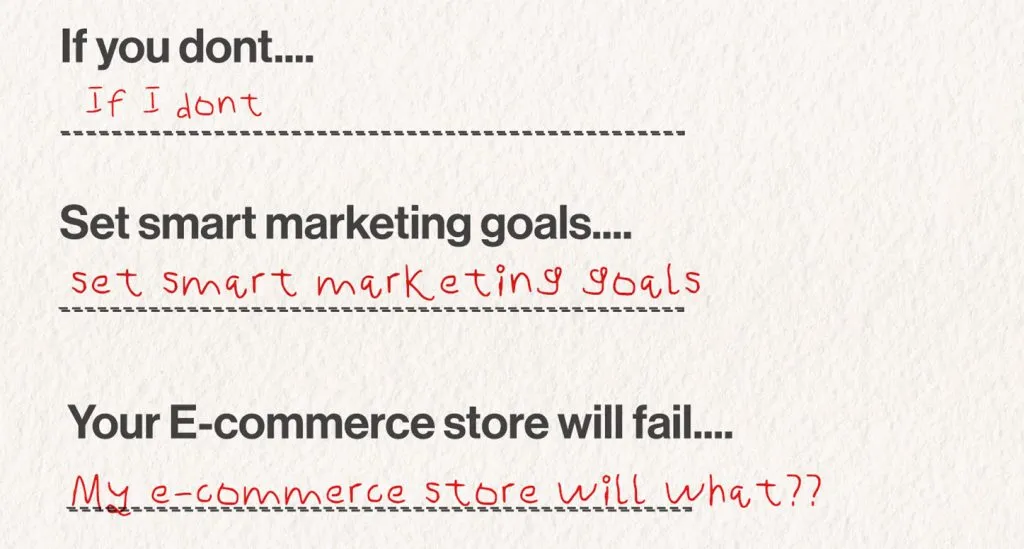
Before moving forward with a full-fledged e-commerce marketing plan, store owners must establish specific goals and objectives. Digital marketing goals break down what a business aims to achieve within a particular time frame.
Using the acronym SMART can help to define goals. The acronym stands for specific, measurable, achievable, realistic, and time-bound. With SMART goals, e-commerce businesses will find it easier to track results and remain progressive in their marketing strategies.
Identify the Target Audience
Digital marketing for e-commerce shops is most effective when the target audience is clearly defined. Identifying the age range, gender, location, and purchasing habits of the target audiences is critical in knowing who to market to and how to position products that bump up the conversion rate of any paid campaign.
Regardless of demographics, each type of audience requires a different form of marketing communication. While loyal customers crave organic connection, new potential customers need digital ads or influencer marketing to capture their interest. Every e-commerce business should identify the following types of purchasers when building its target audiences:
- Loyal customers who have made purchases before
- Potential customers looking for the available products
- People who would become customers if they knew about the available products
Establish Branding

Too often, e-commerce stores are so eager to start selling that they push branding aside, creating confusion for customers and damaging conversions. Prioritizing strong branding will prevent pressure points with brand recognition and loyalty. Most communication between e-commerce businesses and their customers takes place visually.
According to Wix, “The best e-commerce brands cultivate a consistent, repeatable, and reliable customer experience that makes their company appealing inside and out.” To accomplish this task, business owners must establish a clear and cohesive logo, color palette, type, and voice, thereby building a sturdy foundation for all future graphic elements in digital marketing.
Graphics and Visual Content
E-commerce stores need graphics and visual content for every aspect of marketing, including product photos and Facebook ads. High-quality images and short-form videos take product descriptions to the next level. Attractive, well-designed graphics boost engagement on social media platforms, websites, and email blasts. Working with POLA Studios enables stores to produce consistent and high-quality product photos.
Organic Digital Marketing
While all digital marketing strategies demand time and effort, not all require budget spending. Optimizing website design, search engine optimization (SEO), email marketing, and social media can drive traffic to a website without spending on paid advertising.
Website Design
A functional and user-friendly e-commerce website is paramount for optimizing organic conversions and increasing average order value (AOV). Shoppers want the most convenient experience possible, or they will change their minds and click out. There are many components to consider when building a website for an online store. Some questions to ask include:
- Is the website mobile-friendly and cross-browser compatible?
- Are product descriptions as detailed as possible?
- Is there a clear call-to-action (CTA) on the landing page?
- Is it easy for customers to navigate from the landing page to the checkout?
Some e-commerce shops include an interface recommending similar or more expensive products at checkout to increase AOV.
Search Engine Optimization (SEO)
One of the most efficient ways to increase organic traffic to a website is through SEO. Capitalizing on Google’s search function, SEO keywords, backlinks, and technical codes can enable pages to appear at the top half of the search engine results page (SERP). Comprehensive SEO will help lead shoppers right to the online storefront that offers the products they want.
Competitive research is vital to succeeding in SEO. Analyzing the wording used among top-performing shops and creating a bank of keywords for product descriptions, alt text, and blog posts is advisable. Considering the target audience’s language when searching for the products will help develop an effective keyword bank. E-commerce stores must also frequently update websites with new content to rank highly. Updating product descriptions, publishing blog posts, and sharing customer reviews are great ways to refresh a website. Plus, the more content that lives on a website, the higher the ranking.
Email Marketing
Staying on top of communication and fostering new connections with purchasers is the biggest advantage of email marketing. E-commerce stores can construct personalized automation and schedule detailed newsletters through email platforms like Mailchimp, Hubspot, or ActiveCampaign. A thoroughly built email marketing strategy enables e-commerce businesses to put more energy into other areas of marketing. All e-commerce storefronts should utilize the following email tactics:
- Welcome emails
- Post-purchase follow-ups
- Coupon codes and limited-time offers (LTO)
- Customer Surveys
- Wishlist retargeting or abandoned cart reminders
- Newsletters
Social Media

Social media is the perfect place for an e-commerce shop to build brand voice, credibility, and customer loyalty. Purchasers are more likely to buy from a brand they trust. As a result, organic engagement and user-generated content (UGC) build strong credibility for brands on social media.
E-commerce companies do not need to be on every single platform. E-commerce shops can optimize efforts by prioritizing the platforms whose users match the demographics of their target audience. E-commerce businesses targeting audiences between the ages of 25 and 34 must prioritize social media in their marketing strategy — Millennials and Gen Z dominate the top social networks.
Known as the world’s largest social networking site, users boast that Meta’s Facebook is the best platform for connecting with family and friends, building communities around shared interests, and cultivating business-to-business (B2B) relationships.
Facebook allows e-commerce businesses to display products on their profile page through the platform’s new online shopping interface, Facebook Shops. Users between the ages of 35 to 44 are the second largest segment of Facebook’s audience worldwide. The platform’s primary age demographic and advanced ad platform, combined with its shopping interface, can elevate sales rates significantly.
Meta also owns Instagram, which allows e-commerce accounts to sync content and product listings between Facebook and Instagram. Hosting some of the most visually pleasing content among all social media platforms, Instagram is popular among younger audiences (18 to 35 years old) looking for inspiration. The platform has also been steadily favoring short-form video content, allowing e-commerce shops to post customer reviews and short video clips of models wearing or using the products.
On Twitter, users can post quick updates, share opinions, and communicate one-on-one through short posts called tweets. In addition to the primary age demographic, users between 35 and 49 favor Twitter. Many e-commerce businesses use Twitter to respond to customer inquiries or to offer customer service because of its quick response culture.
Setting itself apart from other networks, LinkedIn is a professional outlet for businesses to hire employees or connect with other companies. E-commerce shops find the platform helpful for learning from successful business owners and building new connections.
YouTube
Since its conception in 2005, YouTube has become the world’s largest video platform and second-largest search engine after Google. In addition to video content, YouTube has a large influencer community. E-commerce businesses can work with influencers to produce authentic product reviews and affiliate programs for creators. Users between the ages of 35 and 44 utilize the platform most, behind social media’s primary age demographic of 25 to 34.
TikTok
TikTok is a hot topic among marketers and e-commerce stores due to its rapid growth and ability to make anyone go viral online. The network allows users to consume and easily share short-form video content. Although TikTok primarily hosts audiences between ages 25 and 34, it is becoming increasingly popular among younger audiences between 13 and 24.
Thanks to trending audio and entertaining content, the app is known for being highly addictive, engaging, and influential. As a result, TikTok is a lucrative way for e-commerce stores to go viral, causing potential sellouts overnight.
Paid Digital Marketing

Organic marketing takes time to curate, and for more immediate conversions, paid digital marketing is an avenue worth exploring. Paid marketing allows e-commerce advertisers to position their online stores in front of customers with favorable purchasing habits. Using pay-per-click (PPC), social media advertising, and influencer marketing in conjunction with organic marketing strategies will increase reach and conversion rates.
Google Pay-Per-Click (PPC) Ads
When building ads on Google, the platform doesn’t charge advertisers until someone clicks on the ad — this sets PPC apart from other platforms like Meta and TikTok. Google offers several different outlets for advertising, including shopping, text, and display ads. E-commerce stores can drive traffic to their sites by utilizing product-specific shopping ads. Additionally, including SEO keywords in PPC ads is mutually beneficial for organic and paid search results.
Social Media Ads
Not only is social media a powerful organic tool for e-commerce businesses, it is also effective in the realm of digital ads. With many platforms, placements, and formats to choose from, social media advertising has quickly become a preferred tactic among e-commerce stores.
Meta Ads
Meta ads are finely targeted and highly effective thanks to Facebook’s user base of over 2.5 billion people. Advertisers can place ads across several platforms, including Facebook, Instagram, Messenger, and Audience Network.
TikTok
TikTok has surpassed Google and Facebook as the world’s most popular web domain. Compared to other digital ads, TikTok ads are affordable and easy to build, plus users are more likely to engage.
Pinterest is growing increasingly popular among e-commerce stores as a way to drive traffic to online storefronts. Stores can highlight product features and provide styling examples that prompt customers to make a purchase.
Influencer Marketing
Individuals naturally value the opinions of people they trust. Influencers are online personalities with significant power over their audiences’ purchasing habits. Many companies hire influencers to increase brand awareness, gain trust, and build credibility for their brand. Most influencers promote sponsored content through blog posts, YouTube videos, or dedicated posts on social media. E-commerce store owners need to ensure that the influencer’s following aligns with the target audience to maximize conversions and ROI.
E-Commerce Analytics

Thorough analytics must always guide marketing campaigns to optimize efficiency. For e-commerce stores, conversion rates are the most valuable statistic. Measuring brand awareness and conversions and tracking the progress of key performance indicators (KPIs) will help e-commerce stores reach sales goals and objectives. Analytics will advance a marketing strategy as long as data is collected, refined, and assessed precisely.

Going Viral: E-Commerce Brands’ Most Wanted Marketing Tactic
Everything e-commerce brands need to know about viral marketing: a short history, tips for going viral, and top trending content
One doesn’t need to be a social media guru to understand a brand’s audience and identify content trends. There is no tried and true formula for boosting shares, likes, and comments to the point of virality, but incorporating trends into a social media strategy can help increase the chances.
About Viral Marketing
Many brands strive to go viral online without fully understanding what that entails. While viral content may look effortless, a lot of thought and research go into it. Viral marketing is a strategy focused on creating social media or digital content that prompts visibility and sales. This marketing method solely relies on influencing social media audiences to share content with the public beyond the target audience organically. The trick to viral marketing is creating content the world considers worthy of sharing.
The History of Viral Online Content
Identifying the first piece of viral content posted on the internet is nearly impossible, but tracing it through more recent years can be helpful. The first trackable form of viral content, a meme, is still a common form of viral content today.
The first mention of a meme was in 1976 when Richard Dawkins explained in his book “The Selfish Gene” that a meme is the replication or evolution of widespread cultural phenomena. As the internet expanded, so did the definition of meme. According to Google, today, a meme is “an image, video, piece of text, etc., typically humorous in nature, that is copied and spread rapidly by internet users, often with slight variations.”
Memes first gained traction on email chains in the late 1990s. In the next decade, the progression of laptops alongside Facebook increased the number of people online. In the 2000s, image macros, an image with text overlay on the top and bottom, became the most common format of viral content.
The lolcat image macro is one of the first traceable examples of viral content. Various images of cats with witty text overlay surfaced all across the internet. After the conception of Facebook in 2004, email chains took the backburner, and social media became the breeding ground for memes and other viral content.
Viral content began to take the form of challenges and trends. The cinnamon challenge urged users to film themselves attempting to swallow a spoonful of ground cinnamon and then post it online. Around the same time, the ice bucket challenge went viral. Users would pour a bucket of ice water over their heads and film it to raise money for Lou Gehrig’s disease.
As social media platforms evolved, so did trending content. When Vine launched in 2013, short comical videos became the primary form of tending content. Today users still reference Vine’s most iconic viral videos, “Do it for the Vine,” “Damn Daniel,” and “Look at all those chickens.”
In 2016, TikTok took the internet by storm, exponentially increasing the ability of video content to go viral. The most popular Vine had 330 million views, while the most popular TikTok has 2.2 billion views. By gaining one billion active users in seven years, TikTok has surpassed the growth rate of Facebook, Instagram, and Twitter.
With TikTok’s exponential rise in popularity, users are repurposing trends, sounds, and memes to make their content go viral. Today, short-form video content on TikTok or Instagram Reels seizes the spotlight from the simple memes of the past.
The Top Going Viral Tips for E-Commerce Brands

New content trends on social platforms and web pages can pop up at any given moment, but that doesn’t mean brands should use all of them in their content strategy. The secret formula for going viral is only following the trends that make sense for a brand and its audience.
This formula applies to trending audio, video templates, and memes. If a brand has a lighthearted, bright persona, it should favor pop music or upbeat tracks versus trending rap or emo music. The best part of marketing in a sea of trending content is that no matter how niche a brand may be, there’s an audio or trend that will likely fit its persona.
Before hopping on a trend, there are a few rules brands should always follow:
● Brands should only follow trends that fit their brand identity
● Brands must post trendy content while it is still trending
● Content intended for viral marketing must be organic, not backed by paid advertising
Short-Form Video Trends for E-Commerce Brands
Trending video content on TikTok and Instagram Reels moves quickly. Instead of trying to keep up with each microtrend that arises, brands can hone in on broader trending content to elevate their social media marketing strategies.
Niche Trends
Within the TikTok and Instagram Reels sphere, audiences segment themselves into small communities concentrated on a niche topic. When users search #booktok, they’ll find book lovers sharing content like book reviews, hauls, and reading suggestions. Similarly, when searching #diytok, users will find a community of do-it-yourself users who share different project tutorials and craft ideas.
Brands that interact with a niche on TikTok and Instagram Reels can build up a loyal community interested in their products.
Product Trends
Many e-commerce brands on TikTok and Instagram Reels are creating their own trends. One popular way brands highlight their products is by showing viewers how they pack orders. The trend is called “pack an order with me” and has generated millions of views on both platforms. Brands participating in this trend can bring customers behind the scenes while hinting at them to purchase without being overbearing.
Making process videos is another way to give viewers a sneak peek into regular business operations. Brands will typically show the process of making their products paired with aesthetic sounds and visuals.
Brands can use process videos to create an autonomous sensory meridian response (ASMR). According to Nebraska Medicine, ASMR is “a tingling, static-like, or goosebumps sensation in response to specific triggering audio or visual stimuli.” ASMR content became popular on YouTube in 2010 and continues to generate millions of views on TikTok and Instagram Reels.
User-Generated Content (UGC)

Thanks to worn-out advertising and marketing tactics, users are beginning to trust brands less and less. Users value opinions and recommendations from trustworthy people over a company or e-commerce brand. To build credibility organically, many company owners encourage fans of their products to share their experiences in the form of user-generated content (UGC). UGC is any content posted online by consumers instead of brands, including photos, videos, text, and reviews.
TikTok’s honest and creative environment constructs some of the most inventive UGC. When buying products they love, users are quick to share the unboxing process, upload a haul showing everything they purchase, or share a day in their life using a specific product.
The only downside to UGC is that brands don’t hold as much control over the content users post. A good brand reputation and a stellar customer service team will help to ensure that users have positive things to say about brands and their products.
Shopping hauls and product unboxings have been popular trends over the past few years and continue to garner millions of views on both platforms. E-commerce brands that capitalize on trends can build a database of content to share across their social media accounts.
Viral Marketing Changes Everything for E-Commerce Brands

Viral marketing for e-commerce brands has led to overnight sellouts, free celebrity endorsements, and opportunities unparalleled to anything seen before the invention of social media. The potential people associate with going viral is what keeps it alive. As a result, viral marketing is a craze that isn’t ending anytime soon.
How E-Commerce Brands Can Hire the Right Models for Fashion Clothing and Accessory Photography Shoots
FIND THE PERFECT MODEL FOR E-COMMERCE FASHION CLOTHING AND ACCESSORY PHOTOGRAPHY TO BOOST SALES AND BRAND ENGAGEMENT
For e-commerce brands, on-model photography does the heavy lifting. Flat lays and ghost mannequins lack movement and realism, but models bridge that gap. Models highlight fit, fabric, and versatility, showing how a dress flows or how activewear moves. Even accessories and jewelry stand out more on a model who knows how to pose. Strong on-model photography reduces return rates and removes barriers to purchase, turning product listings into conversions.
Why Models are Essential for Fashion Clothing E-commerce Photography
There are many benefits to displaying fashion items on people through on-model photography versus a flat lay or mannequin. Models stand out in fashion clothing and accessory photography online. The right model brings a brand’s identity to life, establishing a consistent, recognizable aesthetic. Choosing models that reflect brand aesthetics allows e-commerce businesses to effectively communicate distinct styles, moods, or lifestyles to resonate with target audiences. From high-end luxury to sports apparel, a model’s presence projects authenticity, influencing how customers perceive the brand as a whole.
Models Create Emotional Connections with Customers
Humans connect through emotions, and shopping is no exception. Models are the key to creating emotional connections with customers. Seeing real people wear fashion clothing and accessories helps customers envision themselves in the pieces, making the experience more engaging. Models evoke aspirations and relatability, creating an emotional link that fosters brand loyalty and encourages repeat purchases.
Models Build Trust Between E-Commerce Brands and Audiences
On-model photography introduces a human element that static images of fashion clothing and accessories alone cannot achieve. Models bring warmth and relatability, helping customers see how clothing and accessories look in real life. It’s also important that models have confidence in their photographers. This connection helps build trust between e-commerce fashion brands and their audiences. Trust builds when customers can relate to the model through style, body type, or expression.
Models Help with Visual Storytelling for Fashion Clothing and Accessories
Models turn fashion clothing and accessories into a story. Through posing, styling, and setting, models showcase how a piece fits into a lifestyle. Whether it’s the confidence of a power suit or the movement of a flowing dress, the right model enhances brand perception and makes products more memorable. Hiring models of different body types and ethnicities strengthens brands’ diversity in on-model fashion photography.
Models Add Versatility to E-Commerce Fashion Clothing and Accessory Photography
Models add versatility to e-commerce fashion photography. The right model will show how clothing and accessories move, drape, and fit different body types, giving customers valuable insight before purchasing. Versatility is especially important for activewear or high-end fashion clothing, where functionality and fit are key. The right model enhances the shopping experience, reducing uncertainty and return rates.
Factors to Consider Before Hiring a Model for E-Commerce Fashion Clothing and Accessories

Hiring the right model is crucial for successful e-commerce fashion clothing and accessory photography. The ideal model mirrors the target audience, bringing authenticity and trust to an e-commerce fashion brand. Skilled models also streamline the photography process, reducing time on set and improving the final product. However, brands must also balance quality with cost. Understanding model rates, travel fees, and preparation expenses ensures that e-commerce brands stay within budget without compromising the quality of their fashion photography.
Choose E-Commerce Fashion Clothing and Accessories Models that Capture the Demographic of the Target Audience
Selecting models who reflect the brand’s target audience is key to effective e-commerce fashion photography. Brands must consider factors like age, gender, profession, and lifestyle when hiring models. For example, a brand selling men’s skincare products should hire models that fit the age range and lifestyle of its ideal customers. Matching the model to the target demographic strengthens the brand’s connection with potential buyers.
Choose E-Commerce Fashion Clothing and Accessories Models with Experience
Experienced models bring confidence and efficiency to e-commerce fashion photography. Experienced models understand how poses can influence customer perception. A model with experience in activewear photography will naturally move in ways that showcase flexibility and performance. Choosing models familiar with a brand’s fashion niche reduces the need for constant direction on set, saving time and ensuring high-quality results.
Choose E-Commerce Fashion Clothing and Accessories Models Within the Budget
Modeling rates vary based on experience, location, and project scope. Freelance models typically charge between $50 and $250 per hour, with lower rates in smaller markets. Some models also have minimum hourly requirements, and rates may not include travel, hair, makeup, or wardrobe costs. E-commerce brands should confirm all details before booking a model to avoid unexpected expenses and stay within budget. Planning ahead ensures brands get the best talent without overspending.
Types of E-Commerce Fashion Clothing and Accessories Models to Hire

E-commerce fashion photography goes beyond traditional high-fashion models. Depending on the product, brands can hire full-body, foot, hand, or even pet models to create compelling photography. Each model type serves a unique purpose, helping brands showcase fit, function, and style in a way that resonates with customers. Choosing the right model type adds variety, creativity, and authenticity to e-commerce fashion clothing and accessories photography.
Full-Body E-Commerce Fashion Clothing and Accessories Models
Full-body models play an important role in fashion clothing photography. They help customers visualize how clothing, accessories, and shoes fit and move in real life, increasing purchase confidence. Brands like Bra Genie use full-body models in video demonstrations to highlight styling and fit, making the shopping experience more immersive. When working with full-body models, brands should follow best practices for posing, lighting, and framing to capture high-quality, conversion-driven photography.
Foot E-Commerce Fashion Clothing and Accessories Models
Foot models are essential for footwear photography, drawing attention to the shape, style, and movement of shoes, socks, and braces. Customers want to see how footwear looks when worn, making foot models an effective way to demonstrate comfort and functionality. These models are also ideal for videos, where movement helps showcase flexibility and support, making every step feel dynamic and engaging.
Hand E-Commerce Fashion Clothing and Accessories Models
Hand models bring accessories and beauty products to life. Rings, bracelets, and even skin care products benefit from hand modeling, as these models highlight product details and scale. These specialty models are ideal for unboxing videos, product demonstrations, and action shots, which heavily impact e-commerce accessory marketing.
Pet E-Commerce Clothing and Accessories Models
Pet models add an element of fun and practicality to e-commerce photography. People want to see how a product will look and function on their pets, just like fashion clothing and accessories. Many brands in the pet industry will hire pet models to showcase pet clothing, shoes, or accessories. Pets playing, eating, or interacting in lifestyle shots make lifestyle fashion clothing photography feel more personal.
Models for Activewear and Swimwear E-Commerce Photography

Activewear and swimwear photography requires models to showcase movement, flexibility, and fit. These models demonstrate how apparel stretches, supports, and moves with the body, helping customers make informed purchasing decisions. Before adding to their cart, shoppers want to see how leggings perform in a workout or how swimwear fits when wet.
Brands like Viosi boost conversions by featuring activewear models in motion—running, stretching, or striking a yoga pose. This real-life application connects the customer and the product, making e-commerce photography more relatable. Strong on-model visuals highlight performance and build confidence in a brand’s apparel.
Models for High-End Luxury Fashion E-Commerce Photography
Luxury fashion clothing and accessories rely on aspirational marketing, and models are key in this process. High-end luxury models bring prestige to designer handbags and bespoke apparel, creating a sense of exclusivity that resonates with shoppers. The ability to pose confidently with sophistication transforms fashion photography into a statement of status and desire.
Luxury e-commerce brands rely on models who understand elegance, refinement, and the artistry of high-end fashion. Strong on-model photography positions luxury fashion as an investment in style and prestige.
Models for Footwear E-Commerce Photography
Footwear photography is most effective with foot models who highlight fit, movement, and styling. High heels, sneakers, and boots look more appealing on a model who puts comfort and style into action. A well-posed foot model adds realism and appeal, making products more engaging and desirable.
E-commerce brands must follow best practices for shoe photography, especially on platforms with strict guidelines like Amazon. High-quality on-model images capture details like arch support, flexibility, and comfort in motion. Professional footwear photography ensures customers can confidently make a purchase, reducing returns and boosting online sales.
Models for Fashion Accessories and Jewelry E-Commerce Photography
Accessories like jewelry, handbags, and watches displayed on a model can showcase scale, fit, and movement. Customers want to see how a handbag rests on the shoulder, how a necklace drapes, or how a watch fits the wrist. The right model brings accessories to life, making them feel aspirational yet wearable.
Experienced jewelry models understand how to pose for the best angles, ensuring metals and gemstones catch the light. When customers see accessories styled on models who reflect their appearance, they connect with the product—driving higher engagement and conversions.
Models for Hair Care and Beauty E-Commerce Photography

Models for hair care and beauty e-commerce photography make products more tangible for online shoppers. Customers want to see how a shampoo enhances shine, how a serum works on different skin tones, or how a lipstick shade looks when applied. When buyers can visualize how hair care and beauty products look on them, they click “add to cart.”
Experienced beauty models bring creative energy to the shoot, ensuring hair, skincare, and makeup products are showcased effectively. No matter the brand, APTO or H2O Salon & Spa, promoting beauty products through professional photography converts.
How to Hire Models for E-Commerce Fashion Clothing Photography Shoots
Once e-commerce brands have a budget, target audience, and product lineup, the next step is hiring a model. Brands can book models directly, work with modeling agencies, or opt for full-service marketing agencies and photography studios. Agencies handle the entire process, making it easier for brands to focus on their business, while professionals manage casting, styling, and logistics.
Brands that contact models independently must sift through agencies and portfolios to find the right fit. Budget plays a key role, as model rates vary by experience level and location. Identifying the target audience also helps brands refine their search, ensuring models match the intended demographic. Characteristics such as age, height, skin tone, hair color, body type, and gender all contribute to consumer relatability and trust. Full-body, hand, foot, or pet models should be chosen based on the product type and brand identity.
Steps to Hire a Model
After brands decide what type of model(s) they need to hire, they must do the following:
- Create a casting call with a detailed description of the shoot
- Provide visual references like mood boards or storyboards
- Outline compensation details, including pay per day or image
- Schedule an in-person or virtual meeting with the model(s)
- Draft model release forms to secure image usage rights
- Review local laws and regulations to ensure compliance
For a seamless experience, brands can work with a full-service e-commerce photography agency like POLA Marketing. With a single request, brands receive a customized proposal based on their budget, timeline, and e-commerce fashion products.
Once approved, brands ship their products to our in-house studio, where we produce high-quality, on-model images in 8K resolution with 61-megapixel stills. POLA Marketing’s streamlined process delivers professional, conversion-driven photography in just 10 days—without the stress of sourcing, hiring, or coordinating models.
Why E-Commerce Brands Should Hire Fashion Photography Models Through an Agency
Hiring models is the most effective way for e-commerce brands to showcase fashion clothing and accessories, but managing the process internally can be overwhelming. Sourcing, booking, and coordinating models—along with handling styling, photography, and logistics—can quickly become time-consuming.
Full-service agencies like POLA Marketing simplify this process by offering a state-of-the-art studio, an extensive network of models, and experienced photographers. Agencies handle everything from casting to final image delivery, ensuring seamless on-model photography that aligns with brand aesthetics.
Agencies also manage scheduling, budgeting, and the collection and return of fashion merchandise, allowing brands to focus on their business without added stress. With a team of specialized fashion photographers, agencies understand the nuances of styling, posing, and lighting, capturing images that make e-commerce fashion items more desirable.
Frequently Asked Questions

How do brands contact models for a clothing photography shoot?
E-commerce brands can hire models for fashion clothing photography through direct contact, online or in-person modeling agencies, or a full-service agency.
Do brands need contracts to work with models for fashion photography shoots?
Brands must define the scope, pay, expenses, and work time with models in a contract before hiring them for e-commerce fashion clothing photography.
Do brands need a release to use images of models?
Brands need a model release to use a model’s images in e-commerce fashion clothing photography. A model release is a legal document granting permission to use the model’s likeness in marketing materials.
What is the difference between e-commerce fashion models and commercial models?
E-commerce fashion models showcase clothing and accessories, acting as human mannequins to display fit and style. Commercial models promote a brand or lifestyle.
How much does it cost to hire a model for a photoshoot?
Freelance models typically charge between $50 and $250 per hour, with lower rates in smaller markets. Rates may not include travel, hair, makeup, or wardrobe expenses. Some models also have hourly minimums.
What should e-commerce brands include in a model release form?
A model release form must outline the scope of use, specifying where and how images will appear. Brands should also include details on compensation, usage duration, and rights to edit or modify photos.
How far in advance should brands book models for fashion photography shoots?
Brands should book models 2-4 weeks in advance to secure availability for fashion photography shoots. Booking timelines may vary depending on seasonal demand, the model’s schedule, and the brand’s project timeline.
Can e-commerce brands use the same models for different product lines?
E-commerce brands can use the same models for different product lines. The product will align with the brand’s overall aesthetic if the product targets similar customer demographics using the same models.
Hire an On-Model Fashion E-Commerce Photography Agency with a Full-Service Studio

POLA Marketing redefines e-commerce fashion photography, delivering high-quality on-model visuals that engage customers and drive conversions. Our expert team knows how to capture movement, fit, and styling in a way that transforms product listings into sales.
We handle everything, from sourcing models to executing flawless shoots, so brands can focus on growth. With fast turnarounds and a seamless process, we bring fashion clothing and accessories to life with compelling, conversion-driven photography.

The Role of On-Model Photography, Website Optimization, and Social Media for Fashion E-Commerce Brands
DISCOVER THE TOP WAYS FASHION E-COMMERCE BRANDS CAN BENEFIT FROM USING BEST PRACTICES AND TRENDS FOR WEBSITE AND SOCIAL MEDIA CONTENT
In recent years, the fashion industry has undergone a profound shift, with e-commerce becoming a dominant new path. Traditional brick-and-mortar retail stores are going the way of the dodo, no longer the only route for purchasing fashion clothing items. From online marketplaces like Amazon and Shopify e-commerce website stores to social media stores like TikTok Shops, consumers can now easily discover, interact with, and purchase fashion clothing products.
While this shift has created new and exciting opportunities for fashion e-commerce brands, such as reaching global audiences, this prize comes with great challenges, particularly in terms of standing out in a crowded and competitive e-commerce marketplace.
To stand out in this new era of shopping, fashion e-commerce brands need high-quality on-model photography, a fully optimized website experience, and an effective social media marketing strategy. These three elements work together to create a well-branded and fluid e-commerce shopping experience that drives customer engagement and produces conversions.
The Importance of Fashion Photography for Fashion E-Commerce Brands
The role of fashion photography in e-commerce cannot be overstated. It is the primary medium through which consumers interact with products, especially in a digital context where they cannot physically touch, feel, or try on items. Fashion photography succeeds because it goes beyond informing customers, choosing to instead visually persuade them, engaging in a conversation about brand identity, values, and desirability.
Fashion Photography Best Practices for Fashion E-Commerce Brands

When it comes to fashion e-commerce, creating exceptional on-model photography is about more than just snapping a pretty picture. Effective on-model photography serves a strategic purpose, encouraging customers to take the next step. To achieve this level of persuasive on-model photography, best practices must be adhered to in a studio.
Fashion Photography Must Showcase All Angles and Details
Consumers expect to see the full spectrum of a product. Without the ability to touch or try on clothing, customers need images that accurately depict all facets of the product. This means showing the front, back, sides, and close-up details such as stitching, buttons, patterns, and fabric texture. The more angles and details provided, the clearer the consumer’s understanding of the product will become, which ultimately makes them more confident in making a purchase.
Fashion Photography Lighting and Composition
Lighting is one of the most important aspects of any fashion photo. Natural light is often favored for its ability to capture colors and textures accurately, but professional lighting can ensure consistency across a product line, particularly for fashion e-commerce brands shooting multiple products in one session. A clear, well-lit image makes it easier for customers to see the quality of the fabric and appreciate the finer details of the clothing.
Similarly, composition can influence the emotional tone of a product image. Whether it’s a highly styled shot or a more casual, lifestyle-focused photo, composition helps to convey information about clothing to customers while also persuading them to purchase.
Fashion Photography Backgrounds and Settings
The background and setting choices for fashion photography shoots greatly depend on the intent. A simple, white background is often the best choice for product shots, keeping the focus on the product itself. That said, many fashion e-commerce brands are now embracing more creative or thematic settings. For example, outdoor locations, carefully styled props, or urban backdrops can add context and visual appeal to the image. In the case of fashion categories such as activewear or casualwear, showing the clothing in an environment that suggests its use, such as a gym or city street, can resonate more effectively with potential buyers.
Building Trust and Enhancing Conversions with On-Model Photography
While flat-lay photography and mannequins can effectively display a product’s basic features, on-model photography offers something more. By featuring products on real people, on-model shots allow consumers to see how clothing fits and moves. These images demonstrate the product’s appearance and function — something essential for fashion items like dresses, outerwear, and shoes.
For many customers, on-model photography humanizes fashion e-commerce brands. Seeing the clothing worn by relatable models creates a connection between them and the brand. For Shopify store owners, integrating on-model photography into product pages is a straightforward benefit that ensures each clothing item receives the attention it deserves.
Consumer Behavior and the Psychology of Fashion Photography

Understanding consumer psychology is essential when creating effective fashion photography visuals for e-commerce brands. Photography isn’t just about showcasing a product creatively — it’s about generating an emotional response that influences customers.
The Emotional Triggers of Fashion Photography
Fashion is inherently tied to emotional responses. People often buy clothes not just because they need them, but because they believe the clothes will make them feel a certain way. Whether the aspiration is to look more stylish, feel more confident, or fit in with a particular social group, clothing plays a major role in helping people project the persona they wish to show.
Aspirational imagery is an emotional trigger that is often used in high-end fashion photography. By showing models in luxurious settings wearing exclusive clothing, the imagery appeals to deep desires customers may have for social status. For other target audiences, lifestyle imagery is a useful tool as it triggers emotions by showing models in more relatable scenarios wearing casual wear to a coffee shop or sporting athleisure at a gym. By showing clothing on models in these more realistic settings, photographers create a more inclusive feeling, establishing a connection with everyday consumers.
Using Fashion Photography to Create Desire and Urgency
The psychology behind impulse purchases is well-documented, and fashion e-commerce brands use photography to create a sense of desire and urgency. To create these senses and draw in customers, photographers must present clothing products in the context of scarcity or limited-time availability, encouraging them to buy immediately rather than wait.
Additionally, showing how clothing products fit into aspirational lifestyles can push audiences to act more quickly. By using emotionally stimulating images, fashion e-commerce brands can benefit from longing audiences, prompting them to make a purchase that fulfills the emotional need that the photography has tapped into.
The Role of Websites for Fashion E-Commerce Brands
Websites are online storefronts for fashion e-commerce brands and should be designed to catch window shoppers. While photography draws consumers in, it is the website’s design, functionality, and user experience that ultimately facilitate conversions. An optimized e-commerce fashion website ensures that users can easily find, learn about, and purchase fashion items with minimal friction.
Optimizing Fashion E-Commerce Websites for Conversion

Focusing on website design, product page optimization, and checkout flow, helps customers to have an enjoyable shopping experience, and thereby helps fashion e-commerce brands reach their goals of reducing cart abandonment rates and increasing sales.
Clear Product Pages and Navigation
Every product page should present the most relevant details. At the top of that list are high-quality images, detailed descriptions, pricing information, and product availability. Customers should also have access to size guides and care instructions. Shopify’s themes allow fashion e-commerce brands to easily design clear, well-structured product pages that provide all the information a shopper needs to know in order to make a fully informed purchasing decision.
However, none of this matters if an e-commerce website doesn’t have an easy-to-navigate menu and a search function. Whether browsing by category, using a search bar, or filtering by size or color, simple-to-understand navigation ensures that customers find what they are exactly looking for without any hassle or aggravation.
Mobile-First Design
As mobile shopping becomes increasingly dominant, ensuring that the website is optimized for mobile is a flat-out necessity for fashion e-commerce brands. The mobile-first design includes not only resizing images but also optimizing buttons, links, and forms to ensure ease of use on smaller devices.
Search Engine Optimization (SEO) for Fashion E-Commerce Websites
One aspect that is often overlooked by a great number of fashion e-commerce brands is the role search engine optimization (SEO) plays in driving traffic to a fashion e-commerce website. Given the visual nature of fashion, it’s vital for fashion e-commerce brands to make SEO a top priority to achieve measurable success. By doing so, fashion e-commerce brands can improve their websites, ranking well in various search engine results pages (SERPs).
Image File Names and Alt-Text
When it comes to fashion photography, optimizing images for search engines starts with the basics. Some of the basic best practices in SEO include image file names and alt-text. For Shopify store owners, this means ensuring that the image file names are descriptive and include relevant keywords.
Alt-text is another key element in fashion photography SEO. Alt-text not only helps visually impaired users but also provides another opportunity for keywords to improve search rankings. Alt-text should be descriptive and relevant to the product. Instead of writing generic alt-text like “model wearing a jacket,” the description could be more specific, such as “women’s red leather jacket with silver zippers and slim fit.”
Photography’s Impact on Site Speed and SEO
High-resolution images are a vital component of a fashion e-commerce brand’s website; however, the images can also impact a website’s loading speed. This trade-off can hurt both the user experience and search engine rankings of a fashion e-commerce brand’s website. While Google has acknowledged that site speed is one of its major ranking factors, it’s imperative for fashion e-commerce brands to strike a balance between having captivating image quality and reasonable loading times.
Tools like Shopify’s built-in image optimization features help ensure that images load quickly without sacrificing quality. Furthermore, using image compression tools can reduce load times, but this route can lead to a loss in image quality, and with fashion clothing, details matter.
Social Media’s Role in Fashion Marketing

Social media has become an essential tool for brands in the marketing industry of fashion e-commerce industry. The different social media channels available today provide an incredible opportunity for fashion e-commerce brands to engage directly with customers, promote new collections, and build a loyal community of followers. However, the role in which social media plays in the success of fashion e-commerce brands extends well beyond simply showing products to customers, it allows fashion e-commerce brands to tell stories, inspire followers, and drive traffic to their e-commerce sites.
Burberry’s Social Media Revolution
Burberry has been a central influence in changing how luxury brands communicate with their audience. Burberry’s use of Instagram allowed the brand to give behind-the-scenes looks of runway shows. Moreover, through influencer partnerships and lifestyle content, Burberry was able to develop a broader, more diverse audience. By using social media storytelling, Burberry redefined the role of traditional fashion marketing, making it more accessible and interactive for fans to follow.
For Shopify store owners, Burberry’s approach exemplifies the importance of using social media as a channel for engagement rather than just promotion. Through real-time content and a deeper connection with followers, fashion e-commerce brands can turn social media platforms into powerful marketing tools that drive traffic and conversions.
Maximizing Social Media Engagement with Fashion Photography
Fashion photography has the potential to reach massive audiences on social media, especially on platforms like Instagram and Pinterest. Sharing high-quality product images, styled looks, and behind-the-scenes shots can increase engagement and promote brand identity. However, the key is not just to post images but to create a narrative around those visuals. Fashion photography should tell a story about the fashion e-commerce brand and evoke specific emotions that connect with the target audience.
For fashion e-commerce brands, integrating social media with the website creates a flawless shopping experience. Instagram and Facebook Shops, for example, allow users to click on posts and be taken directly to the product page. This simplifies the journey from engagement to purchase and is a critical tool for converting followers into customers.
Influencers and Social Media: Boosting Reach with On-Model Photography
Influencer marketing continues to be a powerful driver of brand awareness in the fashion industry. Influencers who align with a fashion e-commerce brand’s values and aesthetics can showcase products in an authentic and relatable way. On-model photography featuring influencers not only helps amplify the reach of the fashion e-commerce brand but also serves as valuable social proof, showing potential customers how real people wear and style the products.
For Shopify store owners, influencer partnerships are easy to track through affiliate links and promo codes, enabling fashion e-commerce brands to measure ROI and optimize future collaborations. Working with influencers ensures that the fashion e-commerce brand’s imagery reaches a wider audience, creating a buzz around the latest collections or launches.
Integrating Website and Social Media Strategies
The success of fashion e-commerce is rooted in the integration of photography, website design, and social media marketing. A seamless experience across all platforms ensures that customers are continually engaged, leading them from social media posts to product pages and ultimately to checkout. Fashion e-commerce brands must create a consistent narrative that ties together their digital presence, from the look and feel of their website to the content they share on social media.
Building a Unified Fashion E-Commerce Brand Experience
Consistency is key to building brand recognition. Customers should feel like they are interacting with the same fashion e-commerce brand across all touchpoints, whether it’s the website, social media, or email marketing. This means aligning visual elements such as color schemes, typography, and photography style. Shopify’s built-in tools make it easy for fashion e-commerce brands to keep their visual identity consistent across all platforms.
Encouraging Customer Engagement through User-Generated Content (UGC)
User-generated content (UGC) has become a major key component of modern fashion e-commerce marketing strategies. Encouraging customers to share photos and video content of themselves wearing fashion e-commerce branded products on social media provides valuable social proof and creates a sense of community. Spotlighting UGC on product pages and social media channels helps to create a more personal experience for potential buyers. Additionally, UGC boosts customer trust while creating a more authentic connection with the fashion e-commerce brand.
For Shopify store owners, integrating UGC into the website is easy, whether through customer galleries or product reviews with images. Social media platforms like Instagram also provide a space for UGC, allowing fashion e-commerce brands to tap into their community and amplify their reach.
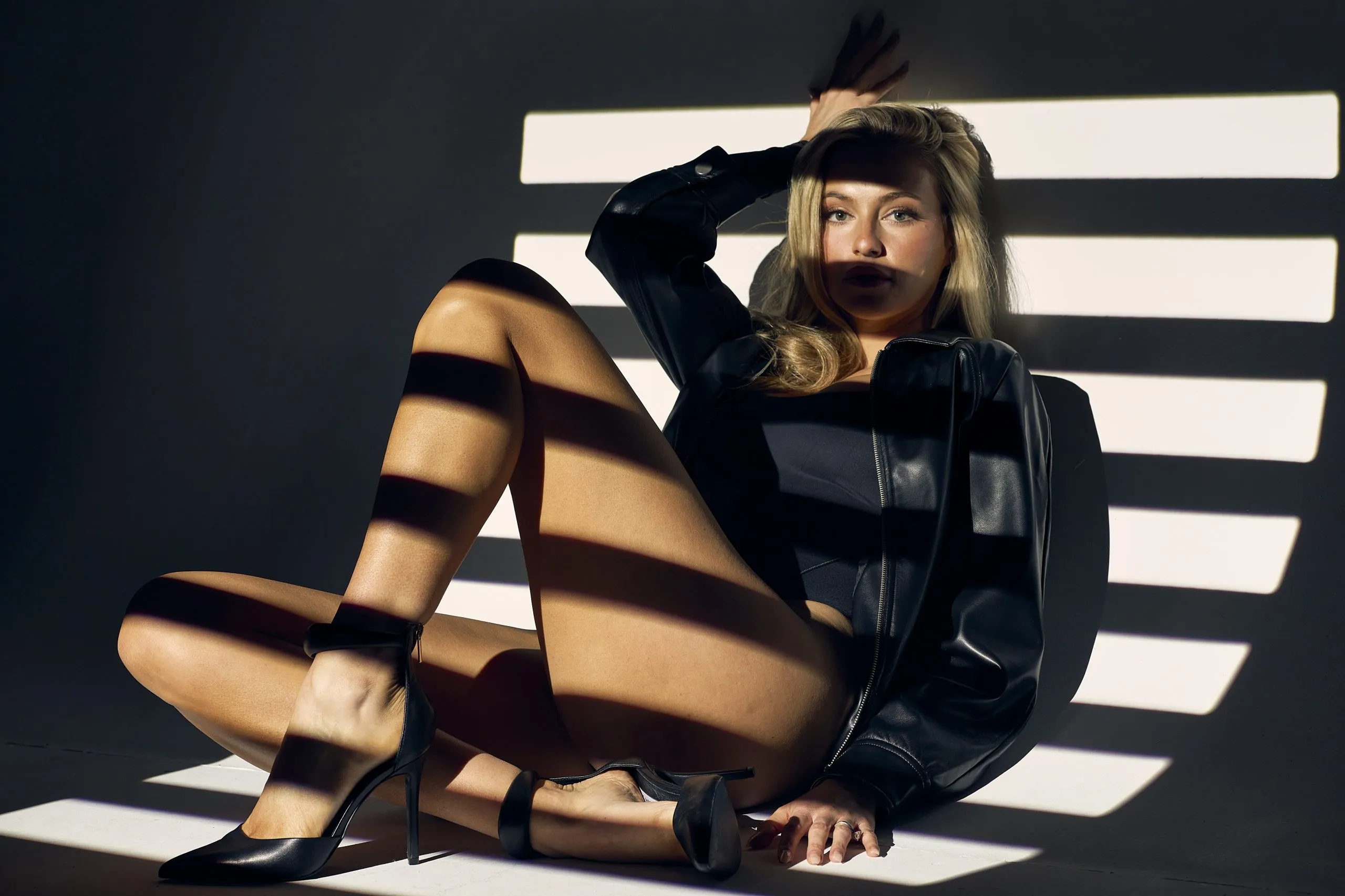
Why Working with a Fashion Clothing Photography Studio is Essential for E-Commerce Brands
HOW FASHION CLOTHING PHOTOGRAPHY STUDIOS TRANSFORM E-COMMERCE BRANDS WITH HIGH-IMPACT, HIGH-QUALITY IMAGES
High-quality fashion clothing photos can be the difference between capturing a customer’s attention or losing it to the competition. Customers have endless options at their fingertips, and with limited space to make an impact, the right image speaks louder than words. A fashion photography studio produces strong images that showcase clothing and elevate a brand’s identity—conversions depend on them.
For brands, the cost of photographing clothing goes beyond money. Learning fashion photography techniques and tips can be time-consuming, and building a mobile studio requires resources. Even with these tools, poorly executed photos are still possible, and they can damage a brand’s credibility online. High-quality images, by nature, create trust, highlight product features, and ultimately increase sales.
Unlike tackling clothing photography in-house, working with a full-service fashion photography studio ensures brands get a return on their investment. A full-service fashion photography studio provides end-to-end solutions, from on-model and ghost mannequin photography to flat lay and lifestyle shoots. With a dedicated team of photographers, stylists, editors, and creative directors, studios can bring brand aesthetics to life.
High-resolution clothing photography produced by full-service studios offers the color accuracy, clarity, and consistency that modern e-commerce stores demand. Fashion photography studios also have the tools to ensure photos meet the strict specifications of platforms like Shopify, Amazon, and Etsy. By the end of the process, brands will have polished, converting images that meet platform requirements and brand guidelines.
What is E-Commerce Fashion Clothing Photography?
E-commerce fashion clothing photography is a style of photography that captures fashion clothing and apparel in the best light for online product listings. From simple white background product shots to lifestyle catalog images, e-commerce fashion photography turns products into must-haves.
Clothing photography promotes e-commerce brands, showcases current trends, and tells visual stories. This style of photography can be clean, like a catalog image, or bold, like a lifestyle shot in a campaign. Whether on an e-commerce website banner or social media post, fashion clothing photography highlights fit, fabric, and movement, helping customers imagine the items in their lives.
What is an E-Commerce Fashion Clothing Photography Studio?

An e-commerce fashion clothing photography studio is a dedicated space for showcasing products specifically for online shopping platforms, social media, or ad campaigns. These studios have the equipment to make clothing appear as it does in real life, such as lights, backdrops, cameras, and a creative team.
Unlike makeshift setups, e-commerce fashion photography studios offer controlled environments to capture consistent, high-quality images. Studios differ based on specialization. Some studios focus on editorial fashion shoots, while others prioritize high-volume e-commerce photography. This flexibility allows brands to find the right studio for their specific needs, whether shooting a seasonal campaign or producing hundreds of product images.
A full-service fashion clothing photography studio goes even further, with a team of photographers, stylists, editors, and marketers working together to create photos that sell. In-house studios have advanced lighting, cyclorama walls, and high-resolution cameras to ensure every shot meets the brand’s aesthetic and platform requirements.
Full-service fashion photography studios transform clothing into a brand narrative with photography that evokes emotion and builds connections with online customers. Minimalist product shots and full-scale campaigns both thrive in fashion clothing photography studios, giving e-commerce brands the visuals they need to stand out.
In-Studio E-Commerce Fashion Photography
In-studio fashion photography provides a controlled environment for capturing high-quality, consistent images. Studios have professional lighting, customizable backdrops, and the tools necessary to create polished photos that meet e-commerce specifications. This level of control ensures every detail, from lighting to temperature, fits the clothing brand’s aesthetic.
In-studio fashion photography offers privacy, making shoots distraction-free. Photographers can focus on styling, posing, and creative direction instead of the unpredictable nature of on-location shooting. Touch-ups, clothing adjustments, and set changes happen seamlessly on-site, saving valuable time during the shoot.
Studios function as a blank canvas, giving clothing brands complete creative control over fashion photos. Whether the goal is minimalist clothing shots or elaborate on model campaigns with props, brands can customize everything to tell a cohesive story. Full-service fashion photography studios take this a step further, offering an in-house team to handle styling, retouching, and post-production.
On-Location E-Commerce Fashion Photography
On-location fashion photography introduces character and authenticity to images that studio setups can’t replicate. These shoots take place in diverse spaces—parks, urban landscapes, private estates, or coffee shops—adding living backdrops and natural lighting. Unlike studios, specific locations can provide a unique atmosphere, making photos feel more real, which is ideal for lifestyle fashion clothing photography.
The flexibility of on-location shoots allows clothing brands to capture lifestyle-driven fashion photography. Outdoor shoots can highlight seasonal trends, while indoor spaces like cafés or modern office buildings add a lived-in, relatable feeling. Using existing architecture, furniture, or natural surroundings will reduce costs and expand the creative possibilities outside the studio.
On-location shoots still present challenges. Lighting conditions can be unpredictable, weather disruptions are possible, and external distractions may impact the shoot. Some locations, especially public spaces, may also require permits or permissions. Fashion clothing photographers must adapt to each environment while balancing creativity and technical precision when working outside the studio.
Despite the hurdles, on-location fashion photography has huge storytelling potential. This shoot style is ideal for clothing brands aiming to capture an authentic aesthetic that resonates with audiences. The right location can elevate a collection, bringing fashion photography to life in unexpected ways.
On-Model E-Commerce Clothing Photography with a Studio
On-model fashion photography captures clothing and accessories on models to showcase fit, movement, and style for e-commerce brands. This service is essential for e-commerce fashion brands that need images to help customers imagine wearing the clothing. On-model photography connects products with real-life context, fulfilling every e-commerce brand’s needs.
Studios offer the ideal setting for on-model photography, providing professional lighting, creative direction, and in-house stylists to ensure clothing items look their best. Studio teams attend to every detail to reflect a brand’s aesthetic. On-model fashion photography generates polished, high-conversion visuals for e-commerce platforms, social media, and marketing campaigns.
Ghost Mannequin E-Commerce Clothing Photography with a Studio
Ghost mannequin fashion photography captures clothing on mannequins, giving garments shape, structure, and a 3D effect for e-commerce brands. This service provides clothing with a clean, polished look that focuses solely on the product without distractions. Customers get a detailed, 360° view of apparel, helping them better understand fit and construction.
Studios specializing in ghost mannequin clothing photography have professional stylists who steam and style garments, ensuring fabrics stay wrinkle-free. A post-production team carefully edits images to remove the mannequin, leaving only the product. These photos are essential for clothing catalogs and e-commerce platforms, presenting consistent photos.
Flat Lay E-Commerce Clothing Photography with a Studio
Flat lay fashion photography captures clothing and accessories arranged on a flat surface and photographed from above. This method is ideal for e-commerce brands with extensive inventories, ensuring consistency across storefronts. Flat lay photography highlights fabric textures, patterns, and intricate details in a clean, straightforward style.
Studios equipped for flat lay clothing photography offer the perfect environment for achieving polished, uniform images. With controlled lighting and professional setups, everything looks crisp and cohesive, from folded sweaters to full-length dresses. This style is ideal for catalog photography and product listings, where visual consistency is essential.
Lifestyle E-Commerce Clothing Photography with a Studio
Lifestyle fashion photography captures clothing in real-world settings, showcasing how it looks and feels in everyday life. This style emphasizes authentic moments, creating relatable images that connect with audiences on a personal level. For e-commerce brands, lifestyle photography tells a story, highlighting the product and the lifestyle it represents.
Studios can produce lifestyle fashion photography in natural and studio environments to achieve the desired aesthetic. Photographers focus on movement, drape, and texture, working closely with models to capture the clothing’s real-world appeal. Lifestyle shoots evoke emotion and inspire engagement, making clothing feel like part of a customer’s daily life before they even purchase it.
Catalog E-Commerce Clothing Photography with a Studio
Catalog fashion photography highlights clothing and accessories in a clean, straightforward style for e-commerce catalogs and online stores. Catalog photography aims to help potential buyers make informed decisions by accurately representing products and focusing on details like fabric, fit, and features. Studios specializing in catalog photography create polished, high-volume visuals on neutral backdrops, ensuring consistent lighting and color accuracy. Most catalog shots feature minimal props and simple poses to keep attention on the clothing. Depending on the brand’s needs, models, mannequins, or flat-lay setups may be used to add more context.
The Step-by-Step Shooting Process with a Full-Service E-Commerce Fashion Photography Studio

A full-service fashion photography studio creates polished, high-conversion visuals that meet the unique needs of e-commerce clothing brands. These studios know the specifications required for platforms like Shopify, Squarespace, Etsy, and Amazon and ensure every image aligns with those standards. From backdrop selection to final edits, the process is streamlined to deliver professional results with minimal effort from clothing brands.
The process begins with a detailed consultation, during which the studio works with brands to understand their creative direction, target audience, and platform requirements. Creative teams then help brands choose the ideal photography style based on their product range and marketing goals.
The typical studio setup features controlled lighting with softboxes and multiple light sources for consistency. High-quality camera tripods ensure stability and precision for capturing clean, professional clothing images. Dedicated workspaces ensure the environment is distraction-free, while creative teams manage every detail from fabric steaming to styling.
Photographers and stylists collaborate throughout the shoot to capture the best angles, emphasizing texture, movement, and product features. After the shoot, editors use advanced software like Adobe Lightroom and Capture One to correct color, retouch, and format images to meet e-commerce standards.
Full-service studios craft visual narratives that bring a clothing brand’s collection to life, blending technical expertise with artistic direction. Professionals handle every stage of the process, from backdrop and prop selection to lighting, styling, posing, and advanced post-production. This collaborative approach produces cohesive, high-quality images ready for seamless integration into online clothing stores.
Backdrop and Prop Selection with a Fashion Photography Studio
Full-service fashion photography studios carefully select backdrops and props to match a clothing brand’s vision and product style. White backdrops are essential for e-commerce platforms with strict guidelines to provide crisp, consistent photos. For on-model or lifestyle shoots, colored backdrops and curated props such as chairs, accessories, or seasonal items add dimension and context. Fashion photography studio teams ensure each element enhances the product without overpowering it.
Equipment and Lighting Set Up with a Fashion Photography Studio
Full-service fashion photography studios use advanced equipment and lighting setups to ensure every shot meets e-commerce standards. Cyclorama walls, cinematic lighting, and monolights provide endless creative possibilities. Studios utilize main lights for even illumination, fill lights to reduce shadows, and backlights for added depth. Professional-grade cameras and specialized lenses capture fine details and deliver sharp, high-quality clothing images.
Styling and Posing with a Fashion Photography Studio
Full-service fashion photography studios prioritize styling and posing to showcase clothing at its best. Professional stylists ensure each garment is steamed, ironed, and impeccably positioned to avoid wrinkles or inconsistencies. Photographers and creative directors collaborate to highlight key selling points, using precise angles and posing techniques to maintain brand consistency. This level of detail creates polished photos that meet customer and e-commerce retailer expectations.
Editing and Retouching with a Fashion Photography Studio
Editing and retouching refine initial fashion photography, converting raw images into high-quality visuals ready for e-commerce platforms. Full-service studios use industry-leading software like Adobe Photoshop, Lightroom, and Capture One to edit and retouch every image. This process includes color correction, wrinkle removal, background cleanup, and sharpening details. Skilled editors focus on preserving texture while ensuring clothing looks fresh and natural. The result is a cohesive set of images that elevate the brand’s identity and meet platform requirements.
Why E-Commerce Brands Should Hire a Full-Service Fashion Photography Studio

Fashion clothing photography with a full-service studio is the most effective way for e-commerce brands to showcase products. Managing the process internally can be overwhelming. Styling, shooting, editing photos, and handling logistics can quickly become time-consuming.
Full-service studios also manage planning, budgeting, and the collection and return of fashion merchandise, allowing brands to focus on their business without added stress. With a team of specialized fashion photographers, studios understand the nuances of styling, posing, and lighting, capturing images that make e-commerce fashion items more desirable.
Full-service fashion photography studios like POLA simplify this process by offering a state-of-the-art studio and experienced photographers. Studios handle everything from staging to final image delivery, ensuring seamless fashion photography that aligns with clothing brand aesthetics.
Frequently Asked Questions
What type of content can e-commerce brands create with a fashion photography studio?
With the help of a fashion photography studio like POLA, e-commerce clothing brands can create content for product listings, social media content, digital ads, website banners, and more. This variety of content ensures cohesive, high-quality photos across all marketing channels.
What is the difference between in-studio and on-location fashion photography?
In-studio clothing photography takes place in a controlled environment with professional lighting, backdrops, and equipment designed for consistency and precision. On-location clothing photography takes place in outdoor or public spaces, adding character and capturing lifestyle-focused fashion imagery in real-world settings.
How much does fashion clothing photography cost with a full-service studio?
The cost of fashion clothing photography with a full-service studio varies based on the scope, services, and project size. Factors like shoot duration, model fees, styling, and post-production also impact pricing. If interested, reach out, and our team will build a custom e-commerce clothing brand proposal.
What type of e-commerce brands need a fashion photography studio?
E-commerce brands selling clothing and accessories benefit most from a fashion photography studio. High-quality visuals with detailed shots and great angles help customers envision the products on themselves, turning browsing into purchases.
Why is fashion clothing photography important for e-commerce brands?
High-quality fashion photography highlights product features, builds trust with customers, and elevates a brand’s identity. Working with a studio to produce images will enhance the overall shopping experience and drive conversions. When customers can visualize wearing clothing and accessories, they’re more likely to click “add to cart.”
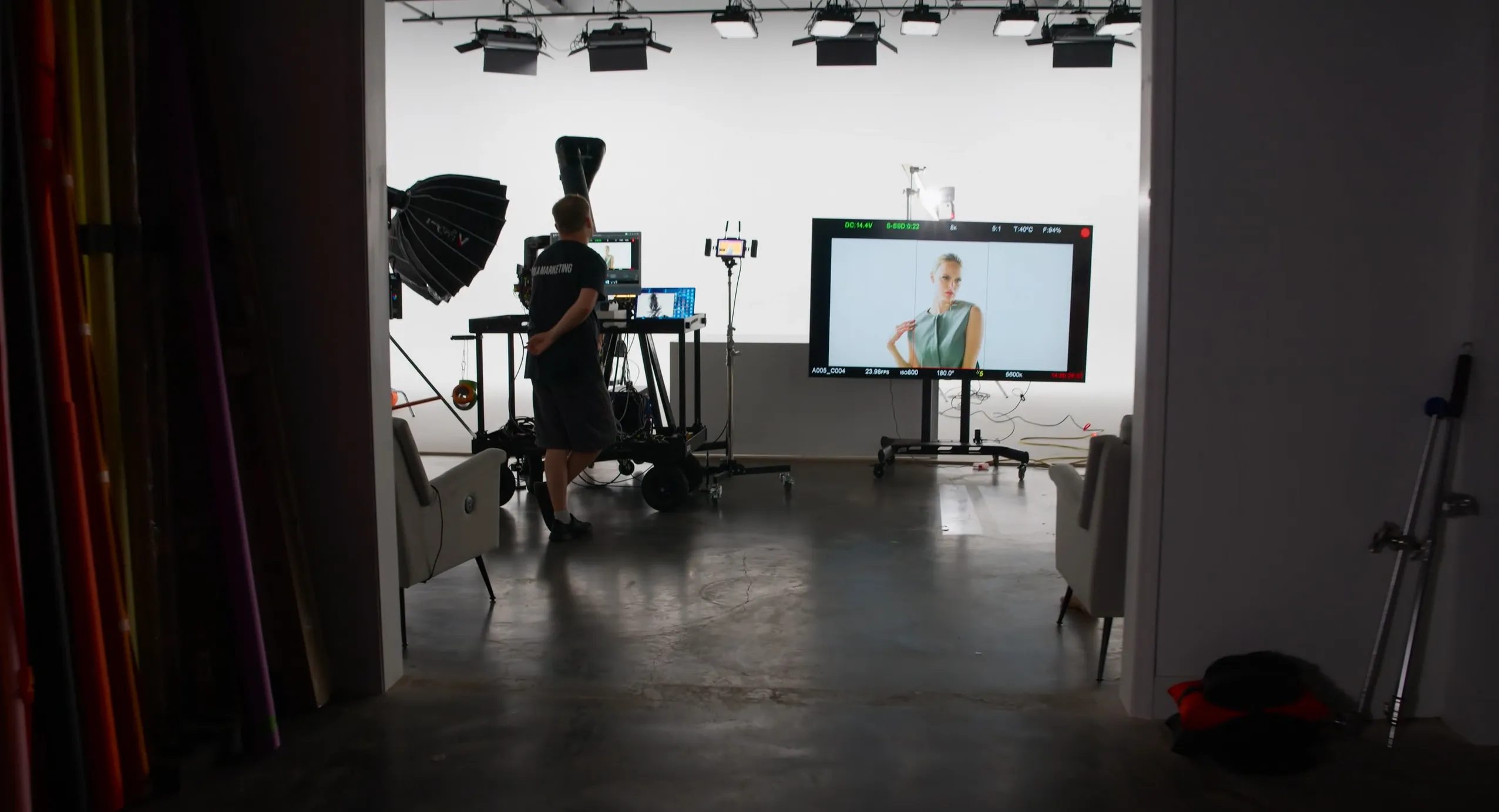
Eight Fashion Photography Styles for E-Commerce Clothing Stores
TOP EIGHT WAYS FOR FASHION E-COMMERCE STORES TO PHOTOGRAPH CLOTHING AND ACCESSORIES
A great clothing item alone isn’t enough to make e-commerce stores succeed. Great photography of a great clothing item is what converts views into sales. Customers can’t feel fabrics, try on clothing, or see movement in person, so photography must bridge that gap. The right fashion photography builds trust, tells a story, and inspires confidence in a purchase through the screen.
E-commerce fashion stores need a tailored fashion photography strategy to stay afloat in the online shopping industry. Fashion photography has many styles, including lifestyle, 360-degree, ghost mannequin, and more, which highlight clothing features to online shoppers. A well-rounded fashion photography strategy prioritizes styles that best highlight an e-commerce store’s clothing. Some strategies blend multiple fashion photography styles, from on-model images to flat lays, to achieve this goal.
E-commerce clothing stores gain a competitive advantage when they learn how to use each fashion photography style strategically. With the right combination of fashion photography styles, e-commerce stores can accurately showcase clothing and create product listings that convert.
What is E-Commerce Fashion Photography?
E-commerce fashion photography is a specialized style of photography designed to showcase clothing and apparel for online stores. From clean, white-background product shots to dynamic lifestyle images, different styles of fashion photography help customers visualize how garments look, fit, and move. No matter which style e-commerce stores choose, fashion photography brings clothing products to life on an otherwise two-dimensional platform.
This type of fashion photography usually takes place in a professional studio or on location, utilizing various lighting setups, backdrops, props, and high-end equipment. The result is high-converting fashion photography that e-commerce clothing stores can use across platforms.
Whether used for e-commerce product listings, digital advertising campaigns, or social media content, fashion photography elevates a store’s presence. High-quality fashion photography enhances clothing across platforms, making it more desirable to online shoppers. With the right photography style, e-commerce fashion stores can highlight product details, represent their brand, and increase conversion rates.
On Model Fashion Photography for E-Commerce Clothing Stores

On-model fashion photography captures e-commerce clothing and accessories worn by models to showcase fit and movement. Unlike static product images, with on-model fashion photography, customers can visualize how apparel looks when worn, providing an immersive shopping experience. This photography style is widely used for e-commerce product listings, digital campaigns, lookbooks, and social media content.
One of the biggest challenges of e-commerce clothing stores is convincing customers that their clothing will fit correctly to promote conversions. Without the ability to try clothing on, customers rely on visuals to gauge how an item will fit their body type. On-model photography minimizes uncertainty by presenting garments on real people, reducing returns.
Beyond fit, on-model photography enhances an e-commerce clothing store’s visual appeal and marketability. Models bring fashion clothing to life, showcasing the drape, structure, and styling of a product. This dynamic presentation increases shopper confidence and conversion rates because customers can see the clothing as a must-have addition to their wardrobe.
On model fashion photography also offers e-commerce clothing stores versatility. Models can be styled in different poses, environments, and backdrops to create the necessary visual narrative for a brand. On model fashion photography also provides diverse content that e-commerce clothing stores can repurpose for various platforms.
Some helpful on-model fashion photography tips for e-commerce clothing stores include the following:
- Feature models with diverse body types and appearances
- Tuck in tags and labels before shooting to reduce editing time
- Use professional hair and makeup artists when possible
- Experiment with poses and movement
- Select backgrounds that complement, not distract
Ghost Mannequin Fashion Photography for E-Commerce Clothing Stores
Ghost mannequin photography creates a 3D effect by capturing clothing on mannequins and then removing it in post-production. This method showcases the natural shape, structure, and fit of clothing without the distraction of models, making it an essential style for e-commerce clothing stores.
Unlike flat lay photography, ghost mannequin photography provides a detailed 360-degree view of apparel, helping customers visualize how garments will look when worn. This technique allows shoppers to assess clothing construction and fit more accurately, reducing uncertainty in purchasing decisions.
With ghost mannequin photography, e-commerce stores must ensure that every garment appears polished and professional. Steaming and styling each piece of clothing before shooting is essential to foster consistency. Due to its clarity, ghost mannequin photography is a staple in many e-commerce product listings, catalogs, and digital marketing campaigns.
To enhance the results of ghost mannequin fashion photography, e-commerce clothing stores should incorporate the following tips:
- Ensure garments are wrinkle-free before shooting
- Adjust styling to maintain natural drape and structure
- Use even, well-balanced lighting
- Capture multiple angles to provide a complete view
- Edit carefully to maintain vital fabric details
On Model Versus Ghost Mannequin Fashion Photography for E-Commerce Clothing Stores
On-model fashion photography delivers a human element, allowing customers to visualize how clothing fits and moves on a real person. This photography style enhances emotional connection and conversions. However, hiring models, stylists, and hair and makeup artists increase production costs. On-model photography creates dynamic, eye-catching visuals perfect for lookbooks, social media, and brand campaigns.
Ghost mannequin fashion photography, in contrast, eliminates the need for models while still providing a realistic 3D effect. This more budget-friendly photography style produces consistent, distraction-free clothing images ideal for e-commerce listings and catalogs. Ghost mannequin photography focuses solely on product details, ensuring uniformity across platforms.
Many successful e-commerce clothing brands integrate both photography styles to balance visual storytelling with high-converting, standardized product images.
Lifestyle Fashion Photography for E-Commerce Clothing Stores

Lifestyle fashion photography captures clothing in real-world settings, showcasing how garments fit, move, and interact with everyday environments. Lifestyle product photography is flexible and can be captured in a professional studio and on-location. For lifestyle photos, photographers focus on the garment’s drape, texture, and how it responds to movement, ensuring it appears natural. Lifestyle photography gives shoppers a visual representation of how they will feel when wearing the clothing. The result is an emotional connection between the product and the customer, boosting purchase confidence.
For e-commerce clothing stores, lifestyle photography tells a visual story. Whether shot outdoors or styled in a studio, lifestyle images highlight how clothing merges into daily life. Natural lighting, movement, and styling choices make clothing appear more relatable, increasing customer trust. Props can reinforce lifestyle photos, adding authenticity and context. A coffee cup, a tote bag, or a cityscape can change the narrative, helping customers visualize the clothing in their routines.
A few helpful on-model fashion photography tips include the following:
- Choose locations that complement the color palette and style of the clothing
- Use natural lighting to enhance realism
- Incorporate props that fit the theme
- Direct models to interact naturally with their surroundings
- Experiment with angles to showcase texture and movement
Catalog Fashion Photography for E-Commerce Clothing Stores
Catalog fashion photography focuses entirely on the clothing, presenting apparel in a clean, straightforward style. This photography style eliminates distractions, using plain or neutral backgrounds to keep attention on the product itself. Often associated with traditional print catalogs, this method remains a staple in e-commerce, providing a clear and informative way for customers to evaluate garments.
For e-commerce clothing stores, catalog fashion photography will simplify consumers’ shopping experience. These high-quality images showcase clothing details like texture, stitching, and fit, making details clear. Catalog fashion photography also aligns with the requirements of major online retailers, such as Amazon. Since catalog photography emphasizes clarity and accuracy, it reduces the likelihood of returns caused by misleading photos.
While catalog fashion photography appears simple, execution requires precision. Photographers must have even lighting, consistent angles, and a sharp focus to create a polished collection of catalog images. Catalog fashion photography can incorporate on-model, mannequin, or flat-lay styles, but the ultimate goal is to highlight the clothing’s structure and functionality. If models are involved, their poses remain neutral, ensuring the garment is the main focal point.
To enhance the results of catalog fashion photography, e-commerce clothing stores should incorporate the following tips:
- Use minimalistic backgrounds to keep the focus on the clothing
- Maintain even lighting for consistent color representation
- Highlight key product features with close-up shots
- Ensure models pose naturally
- Capture both front and back views
Lifestyle Versus Catalog Fashion Photography for E-Commerce Clothing Stores
Lifestyle and catalog fashion photography serve different roles in e-commerce clothing photography. Lifestyle fashion photography places clothing in real-world settings, while catalog fashion photography provides standardized images focusing solely on the product. Lifestyle photography tends to be more expensive and requires location scouting, set design, and props. Catalog photography is cost-effective and shot in a studio setting with minimal styling.
Lifestyle fashion photography tells a story, helping customers envision apparel in everyday life. Catalog fashion photography delivers distraction-free product images that help influence purchasing decisions. Lifestyle photography is ideal for digital campaigns, social media, and lookbooks, while catalog photography works best for e-commerce product listings.
Sometimes, combining both photography styles helps e-commerce clothing stores to balance emotional connection and distraction-free product images.
Flat Lay Fashion Photography for E-Commerce Clothing Stores

Flat lay fashion photography captures clothing and accessories arranged on a flat surface photographed from above. This technique emphasizes textures, patterns, and intricate details, providing a clean, consistent aesthetic for e-commerce clothing stores. Unlike on-model or ghost mannequin photography, flat lay photography is a simplified way to showcase outfits – no model or mannequin is required. E-commerce stores often style multiple products together to inspire and upsell shoppers.
Flat lay photography is particularly effective for e-commerce stores with extensive inventories and small budgets. Some professional studios specialize in flat lay photography and can provide more consistency than an at-home setup. The professional lighting setup and backgrounds a studio can provide ensure consistency across photos.
A few helpful flat lay fashion photography tips include the following:
- Choose a white or neutral background for consistency
- Use soft, even lighting to avoid harsh shadows
- Arrange products symmetrically for balance
- Incorporate props sparingly for context
White Background Fashion Photography for E-Commerce Clothing Stores
White background photography, also known as product-on-white, is a clean style that eliminates distractions and keeps the focus on the clothing. This style is particularly popular in e-commerce fashion photography due to its versatility across platforms, including Amazon, Shopify, and Etsy. Many major e-commerce marketplaces require white background images to uphold uniformity.
The main benefit of white background photography is its ability to capture clothing without any visual noise. White backgrounds prevent color clashing and ensure that fabric textures, patterns, and details remain the focal point. This minimalist photography style is consistent and polished, ideal for catalogs and e-commerce product listings. While seemingly simple, achieving a crisp white background requires careful lighting, precise camera settings, and proper product positioning to avoid shadows or uneven exposure.
To enhance the results of white background fashion photography, e-commerce clothing stores should incorporate the following tips:
- Use diffused lighting to eliminate harsh shadows
- Choose a seamless, wrinkle-free white backdrop
- Adjust camera settings manually
- Position the clothing centrally
- Capture multiple angles for a complete view
Flat Lay Versus White Background Fashion Photography for E-Commerce Clothing Stores
Flat lay photography allows for creative compositions, styling multiple clothing pieces together to showcase outfit ideas and textures. This style is ideal for social media, lookbooks, and editorial content where branding and aesthetics are a priority. Flat lay photography offers flexibility and visual storytelling, but it can be more time-consuming to style.
White background photography, by contrast, focuses solely on the clothing item, ensuring a distraction-free presentation that meets e-commerce platform requirements. White background photography, while requiring precise lighting and post-production editing, delivers a uniform and high-converting product display. White background photography emphasizes consistency across product listings, making it essential for marketplaces like Amazon and Shopify.
Flat lay and white background photography are cost-effective and clean, and they are usually used simultaneously to create consistent e-commerce product listings and digital content.
360-Degree Fashion Photography for E-Commerce Clothing Stores
360-degree fashion photography captures clothing and accessories from every angle, offering online shoppers a complete, interactive view. Traditional 2D fashion photography styles limit product visibility to a single perspective. 360-degree photography allows customers to explore garments in full rotation, enhancing their understanding of fit, texture, and design details. Photographers use specialized turntables to create seamless, rotating product images that provide an engaging and informative shopping experience. Professional studios with a motion control cinema robot can offer stellar 360-degree fashion videography for e-commerce clothing stores.
For e-commerce clothing stores, 360-degree fashion photography improves customer confidence and reduces return rates by offering a comprehensive product view. Shoppers can examine the fabric, cut, and construction from all sides, eliminating guesswork. This dynamic style of photography is particularly beneficial for high-end e-commerce fashion, footwear, and accessories, where intricate details matter most.
What sets 360-degree fashion photography apart from other styles is its ability to simulate an in-store shopping experience. Photography styles like flat lay and white backgrounds focus on presenting products in a controlled manner. 360-degree photography immerses customers in a more interactive, lifelike viewing experience. Many e-commerce platforms like Shopify support 360-degree product images, making them easily integrated into product listings.
To enhance the results of 360-degree fashion photography, e-commerce stores should incorporate the following tips:
- Use a motorized turntable or motion control cinema robot for smooth rotation
- Maintain even lighting to avoid harsh shadows or inconsistencies
- Capture high-resolution images to preserve intricate details
- Optimize file sizes to maintain fast load times without sacrificing quality
- Ensure e-commerce platform compatibility
Why E-Commerce Clothing Stores Should Hire a Full-Service Fashion Photography Agency
E-commerce clothing stores rely on high-quality photography to capture customer attention, build trust, and drive sales. While some stores attempt to handle fashion photography in-house, the process can be time-consuming. A full-service fashion photography agency simplifies the process by providing expertise, equipment, and creative direction to produce conversion-driven images.
A full-service fashion photography agency offers end-to-end solutions tailored to e-commerce clothing stores. From on model photography to catalog imagery, these agencies handle every aspect of the production process. Professionals style and steam garments, photographers shoot, and editors refine images to meet e-commerce platform standards. The result is a cohesive visual identity that enhances credibility and promotes conversions.
With dedicated studio stages, professional equipment, and experienced teams, agencies streamline the photography process. Working with a full-service fashion photography agency shortens turnaround times and delivers ready-to-use images.
For e-commerce stores, investing in a professional fashion photography agency is convenient and strategic. Branding, product presentation, and conversions win with expert guidance. Full-service fashion photography agencies allow e-commerce clothing stores to focus on growth while leaving the visual storytelling to the professionals.
Frequently Asked Questions
What is the best fashion photography style for e-commerce clothing stores?
The best fashion photography style depends on an e-commerce store’s product, budget, platform requirements, and target audience. Activewear brands benefit most from on model and lifestyle photography, while jewelry brands favor white background photography.
Do full-service fashion photography agencies handle post-production and editing?
Full-service fashion photography agencies handle the entire process of shooting e-commerce clothing. Planning, pre-production, in-house production, post-production, and marketing are usually included in these agency’s list of services. Full-service agencies like POLA Marketing also handle the collection and return of fashion merchandise.
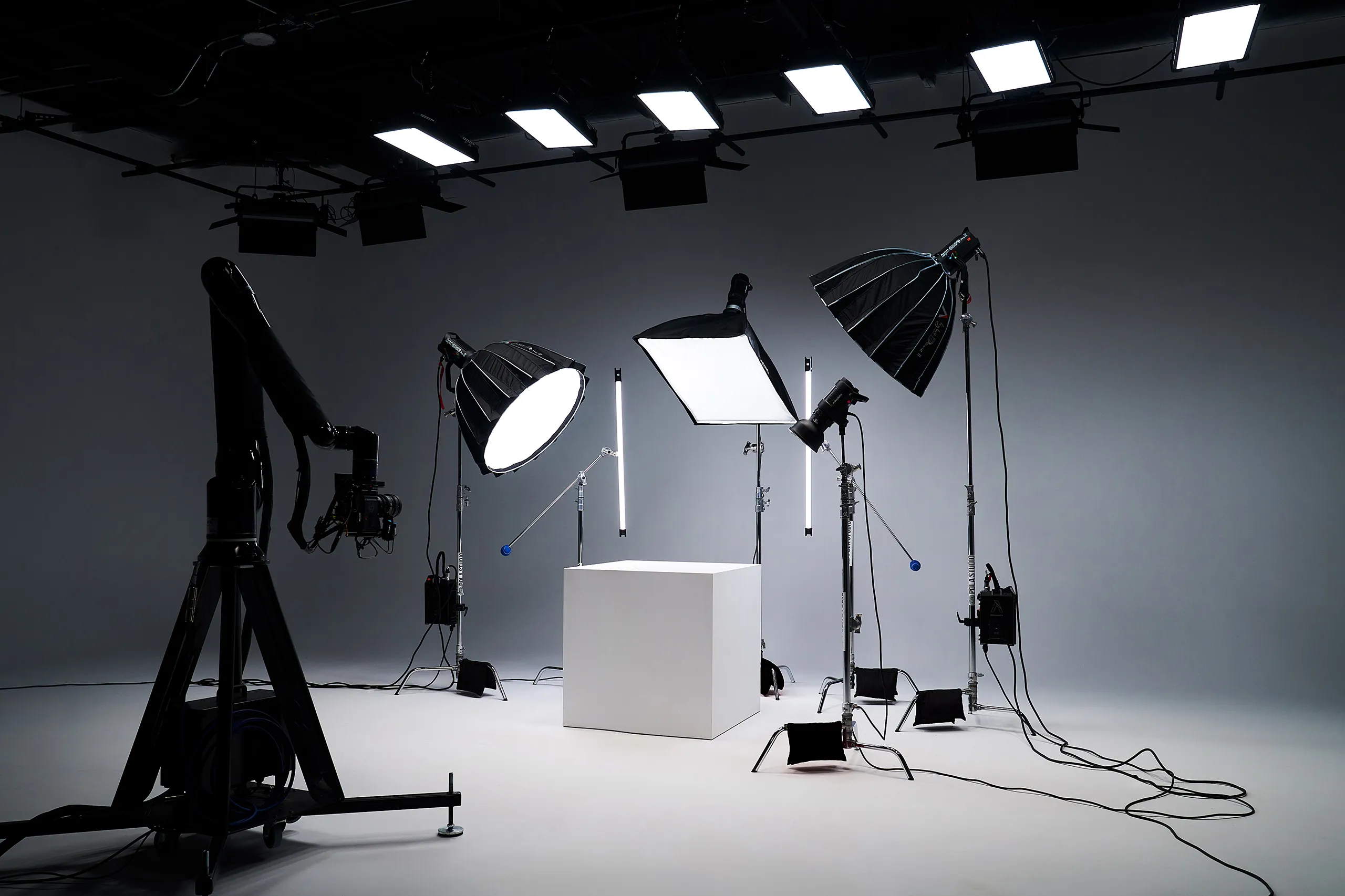
The Ultimate Guide to White Background Product Photography: Why It Matters and How to Hire the Right Service
HOW WHITE BACKGROUND PRODUCT PHOTOGRAPHY IS DRIVING E-COMMERCE CONVERSIONS AND HOW TO CLAIM A PIECE OF THE TRILLION-DOLLAR PIE
E-commerce product photography likely began with a bag of cannabis. That’s the legend, anyway. Officially, the first documented online retail purchase was a Sting ‘Ten Summoner’s Tales’ CD in 1994.
Shocking, but product photography wasn’t always the crisp, cinematic showcase it is today. Products weren’t always polished by the pristine minimalism of white backgrounds. They certainly didn’t have the emotion-evoking component now common with Instagram grids and product pages.
However, somewhere between the Daguerreotype, that apocryphal cannabis, the very real CD, and the dot-com boom that birthed a slew of e-commerce brands, it evolved into a decisive factor in whether a product flies or flops. By the time online retail became mainstream, marketers had converged on a simple truth: clarity sells. And few things deliver clarity like a pure white background.
This guide explores why white background product photography works. It explains how a simple white backdrop became the defining aesthetic of online retail by shaping perception and improving click-through rates (CTR). It also considers whether POLA should be the final stop in the hunt for a professional product-photography service, and the cannabis legend, albeit briefly.
What is White Background Product Photography?

White background product photography is the practice of shooting products against a pure white background. It became the visual standard for e-commerce product imagery because it effectively isolates the subject and eliminates distractions by creating an evenly lit, high-contrast composition that draws the focus to the product.
Alternative background options like wood, marble, or colored backdrops can evoke mood but are also likely to compete with the subject for attention. White background images, by contrast, offer more uniformity. They highlight texture, form, and color without interference.
Why Use a White Background in Product Photography?
For visual appeal alone, white background product photography wins. However, when done well, it can be aesthetic and strategic. Here are a few ways white background product photography boosts e-commerce sales and brand credibility.
White Background Shots Convert
In a recent Etsy buyer survey, 90 percent of shoppers said that photo quality was the most essential component in a purchase decision. Across major marketplaces, white-background images have been found to outperform alternatives on CTR and conversion. The reason is that buyers process visuals before text. With a white background stripping away the visual chatter, the product does all the talking, and purchase decisions are easier to make.
Branding and Consistency
A storefront or brand catalog where every product appears against the same white background appears harmonious. This harmony generally signals trust and quality. Many buyers admit to perceiving white-background shots as more luxurious and professionally made. The clean images subtly create the impression that the brand behind them is credible, detail-oriented, and worth their money.
Search Engines and E-commerce Platforms Love It
From a technical perspective, white backgrounds are SEO-friendly. Google Shopping, Meta Ads, and most e-commerce platforms generally prioritize clean imagery for better rendering, indexing, and ad placement. When the images across a site appear uniform, it can also reduce file-size inconsistencies and improve page load times. This might seem minor, but load times are a significant factor in search engine rankings.
They Are Easier To Repurpose
Product images are often reused across various platforms for different purposes. This adds to the appeal of white background images, as they are a convenient starting point for images that may be repurposed. The clean edges and consistent lighting generally simplify editing and allow designers to remove or replace the background with relative ease.
How to Take Product Photos With a White Background (Step-by-Step)

The first step to taking product photos with a white background is counterintuitive. It is to accept that planning a white background product photoshoot is deceptively complex. White background photography is not just taking shots of any product against any clean white space. In fact, that minimalist image hides an entire ecosystem of lighting control, surface prep, and an optical obstacle course. Here’s how professionals navigate the moving target that is the ‘pure white’ and how a determined DIYer might try.
Start With The Product
The product is the star of the show, and stars need grooming. Treat it like a model before a shoot. Forensically inspect it, and then clean. Remove dust, lint, fingerprints, and adhesive residue. Proceed to polish reflective areas, steam or press fabrics, tighten laces, align labels and seams — the works. If the product has moving parts or textured details, consider how that might interact with the light. Glare, shadow, and gloss can make or break an image.
Professional studios often stage multiples of the same SKU to keep one immaculately prepped while another is on set. This helps with momentum and consistency. DIYers may attempt to replicate this, but it requires meticulous work. However, every detail matters because white exposes everything.
Choose The White Background
A “white background” isn’t just any white surface. The key to choosing the perfect white background is determining what best complements the product’s features and highlights its form without distraction. Most professionals use a seamless white backdrop (often called a sweep) that curves up behind the product and avoids horizon lines. However, a simple white foam board or poster board may work if it is positioned to reflect light evenly. This creates that endless “floating in light” illusion behind the product. The goal is to simulate a semblance of continuity with no corners, creases, or visible edges. This is best achieved by using C-stands or clamps to stretch the background material taut. Even a single fingerprint or crinkle can appear like a mountain range under studio lighting.
Light It Like a Scientist
White background photography lighting is one part vim, and three parts mathematical gymnastics. Its primary goal is to fully illuminate the product while also blasting the background with enough light to turn it pure white. The key is diffusion and control. Diffused lighting “softens” shadows and spreads light evenly, which is ideal for eliminating those ugly dark edges behind the product.
For a DIY setup, the most common approach is a two- or three-light arrangement. That is, two lights at 45-degree angles in front of the product (one on each side) to evenly illuminate it, and then a third light aimed at the background behind the product. As an alternative to the third light, use white bounce cards/foam board behind or beside the product to redirect some light onto the backdrop. This will ensure that the backdrop is lit slightly brighter than the product.
Many professionals will meter the background to be about two stops brighter than the subject. This effectively overexposes the background so that it appears pure white in the camera. DIYers may replicate this effect by using a stronger bulb or positioning the light closer to the backdrop. Just be careful: too much light on the background can cause lens flare or “wrap-around” light, reducing contrast on the product. To combat that, consider positioning flags or pieces of cardboard on the sides of the backdrop light to block it from hitting the camera lens or the edges of the product.
All the light sources should also have the same color temperature to avoid weird color tints. If using LED or studio lights, set them all to daylight. Flashes are typically daylight-balanced by default. The goal is to maintain uniform lighting so the camera’s white balance can be adjusted correctly.
An alternative to studio lights may be light tents (or light boxes). They are a mini portable studio with translucent walls. To use them, place the product inside and shine lights from outside through the walls. The tent will diffuse the light from all sides, which will then minimize shadows.
Many DIY photographers also repurpose household lamps. They may get bright white bulbs (daylight-balanced) and bounce the light off white walls or cards rather than pointing them directly at the product. This indirect lighting can create a soft, even glow.
Whatever the case, remember that soft light equals friendly shadows. Hard, direct light will often ruin the white background effect by creating a stark outline or uneven lighting.
With the background set up, position the product a few feet in front of the backdrop rather than right against it. This separation will help prevent light from spilling or bouncing from the background onto the product. It may also prevent strong shadows from hitting the backdrop. Professionals typically place lights behind or to the side of the backdrop to overexpose it by one or two stops to pure white, without blowing out the product itself.
Camera Positioning and Settings
First, stabilize that camera on a tripod. This will ensure consistent framing across each shot and prevent blurs caused by shaky hands.
Compose the shot so that the product is well-framed with a little space around it. Typically, each one will be taken at approximately the product’s height or slightly above, depending on the angle that best showcases the item. Avoid extreme angles that distort the product’s shape. For a natural look, step back and use a longer focal length (e.g., 70 – 100mm FF-equiv).
For camera settings, consider switching to Manual (M) mode or at least Aperture Priority (Av/A) mode. Set the ISO to a low setting (e.g., 100 or 200) and select a small aperture to achieve a considerable depth of field. On smaller sensors, f/16 can soften detail. The sweet spot is often f/8–f/11; only go narrower if necessary.
White backgrounds sometimes fool meters into underexposing. To counteract this, consider adding positive exposure compensation as needed (typically +0.7 to +2.0 EV) and confirm the results using the histogram and highlight warnings. On smartphone cameras, tapping on the product and then manually adjusting the brightness may help ensure the white background doesn’t appear dull. It is also good practice to bracket and take test shots: slightly underexpose one, then the recommended exposure, then slightly overexpose. Often, the slightly overexposed shot will have a nicer white background while the product is still adequately exposed.
Don’t forget to set the correct white balance. Auto White Balance (AWB) on modern cameras is usually decent. However, if the images end up looking too warm or cool, manually select a preset or use a custom white balance with a grey card. Aim to have a neutral background with no color tint, so that true white remains true white.
For focusing, use single-point autofocus and aim at a prominent part of the product. After focusing, switch to manual focus or use the camera’s focus lock to prevent it from refocusing on something else between shots. Take a few shots and evaluate them on a larger screen if possible. Verify that the product is sharp, the background appears nearly white, and there are no unusual shadows or color shifts. It is much easier to reshoot or adjust lighting at this point than to fix big problems in Photoshop later. Aim to capture all the product details. Making the background pure white can be done in post-processing without much issue, as long as it’s close to white and evenly lit.
Post-Editing For a True White Background
Even with a great shoot, achieving a pure #FFFFFF white background straight out of the camera can be difficult. That is why post-production and retouching after a white background shoot matter.
The first step is usually to clean the background. In the editing software of choice, check that the background is uniformly light. Use Lightroom or Camera Raw for global adjustments (such as exposure, whites, blacks, and white balance), then transition to a layer-based editor like Photoshop for precise masking and background work.
In some cases, the product will be perfectly exposed, but the background might look slightly dull or uneven. To fix this, consider creating a non-destructive layer mask around the product, and then brighten the background to white. Alternatively, brush or clone out visible seams and blemishes on the sweep. The Clone Stamp or Healing Brush will also remove stray dust or minor imperfections on the product itself.
Pay attention to the edges of the product when editing. A common giveaway of sloppy editing is a faint outline or “halo” where the background wasn’t uniformly corrected.
Color-correct the product so it looks true to form. Set the white balance from a gray-card shot taken under the same lighting, then refine it with selective adjustments as needed. Also, check the shadows under or around the product so that they feel natural and not clipped or artificially erased.
The final step is creative retouching. Boost saturation subtly, even out labels, and fix any scratches or wrinkles. Avoid over-editing that misrepresents the product, especially for e-commerce. Export for web in sRGB (JPEG for photos; PNG only if transparency is required). The priority, however, is that the background satisfies the requirements of the platform it is being uploaded to. For instance, marketplaces like Amazon expect a pure white (RGB 255,255,255) background for main images.
Tools/Software Recommendation
For an ideal DIY white background shoot, these tools and equipment can make life much easier, and the photos much better.
Camera
A decent DSLR or mirrorless camera with manual controls is ideal, but a modern smartphone may also serve with the right setup. Using a smartphone will typically require apps that allow manual adjustments (such as exposure, ISO, and white balance) and enable shooting in RAW (DNG) format. Smartphone RAW files typically have a narrower dynamic range than those from dedicated cameras. So, achieving that pure white look may require more care with lighting and additional post-editing.
Lenses
A camera is only as good as its lens; don’t cheap out on it. If using an interchangeable-lens camera, a mid-range focal length lens (around 50mm on APS-C or 80mm on full-frame) is a solid choice for product shots. This range provides a natural perspective and minimal distortion, which keeps products looking true to life.
Tripod
A sturdy tripod is non-negotiable for consistently pristine product images. It should be flexible enough to accommodate different shooting angles. Some models feature horizontal arms that are particularly useful for flat lay shots.
Lighting Equipment
Continuous LED softbox kits or clamp lights with daylight-balanced (approximately 5500K) and high CRI (90+) bulbs simulate natural light and deliver accurate color. Lightboxes (also known as photography tents) are excellent for showcasing small products, as they produce soft, even lighting that minimizes harsh shadows and reflections.
Backgrounds
If the product is the star, the white background is the trusty sidekick. For pure white backgrounds, use a seamless white backdrop. White paper rolls (such as Savage brand paper) are a classic choice. They come in various widths and can be replaced easily when dirty. Other options include white foam boards, white acrylic sheets, or white fabric.
Modifiers and Supports
These are the little guys that keep the wheels turning. They include tape, clamps, and stands. Painter’s tape or gaffer’s tape is ideal for holding down backgrounds without leaving residue. A-clamps or clips can help to secure paper to stands or tables, and foam core boards are incredibly versatile. While the white variant can act as reflectors to fill in light, black boards can reduce reflections or add controlled shadow for depth.
Adobe Lightroom and Photoshop
These are the gold standard for a reason. Lightroom is excellent for organizing and making global adjustments across multiple images. Photoshop is unmatched for pixel-level retouching, compositing, and background cleanup. This includes removing stands, stitching multiple shots, extending or whitening the background, and perfecting edges. There is simply no way to ship out the final product without these.
DIY versus Professional White Background Product Photography: When to Hire a Service

Few temptations test a business owner like the urge to DIY.
Lower costs, creative control, and a flexible schedule are a combination that is hard to resist. However, white-background images are known to punish imprecision severely. So, for speed, consistency, and a retail-ready finish, a professional service will always be ideal. DIY may work for small catalogs and tight budgets, but it will always come at a cost. Here is how DIY and Professional White Background Product Photography compares:
Cost: Lower Up-Front Costs vs. Higher Fees But Higher ROI
The appeal of DIY product photography is often lower out-of-pocket costs. However, the value of the time spent shooting and editing is often overlooked. Also, most businesses will need to purchase equipment from scratch to get the best results (lights, tripod, software). Professionals typically come equipped with their own high-end gear and usually charge a fee per project or image. For businesses, this is an investment, and it can pay off in better images that drive sales.
Quality and Consistency: Inconsistent Lighting and Color vs. Uniform Studio-Grade Results
It is generally more challenging for novices to get the exact same lighting and color across different sessions or products without a controlled studio. DIY images might also need more post-processing to match the polish of pro shots. Professionals use calibrated lighting and settings to ensure every photo has a uniform look. They excel at consistency. So, if what is required is a whole catalog of products with identical white backgrounds and lighting, a professional service is non-negotiable.
Time Intensive Set-up and Editing vs. Faster Turnaround Time, and All Assets Come Upload Ready
Setting up each shoot, troubleshooting lighting, and especially the post-editing can be time-consuming. For a small number of products, this might be manageable. But for a large inventory, the time investment can detract from other business tasks. With a professional team handling setup, shooting, and editing, these tasks can be completed in one fell swoop.
Expertise and Skills: Limited Expertise vs Experienced
It can be challenging to master the nuances of lighting, composition, and editing that make a product photo truly stand out. Professionals know how to highlight a product’s best features through creative lighting and angles. Difficult products (such as transparent or reflective ones) are much easier to handle by an expert who has encountered similar challenges before. Their training and artistic eye can produce images that not only look good but also effectively sell the product’s appeal.
Equipment and Setup: Basic/No Gear vs Pro Studio Equipment
DIY setups can be cobbled together, no doubt, but consumer gear has its limits. For instance, smartphone cameras and lower-grade lenses may not capture fine details as well as professional cameras. A professional photographer comes equipped with top-notch gear: high-resolution cameras, a variety of lenses, multiple studio lights, modifiers, and a dedicated studio space. There is no need to purchase or maintain any of it – the pro has it ready.
Post Production: Tedious Background Fixes vs. Retouched to Perfection By a Pro
Tasks such as removing the background, adjusting colors, and retouching imperfections require practice. It is doable, but substantially time-consuming, as a pure white background often requires some editing to achieve perfection. Studios usually include professional editing as part of the package. That means every image will be meticulously edited: backgrounds will be perfected to pure white, colors will be corrected, and any blemishes will be removed.
Ultimately, the trade-off between DIY and professional product photography is between cost and effort versus convenience and expertise. If on the fence, consider a hybrid approach: do the simpler shots and hire a pro for the really important images (like the main product hero shots or particularly tricky items). Either way, it is worth remembering that high-quality visuals are a cornerstone of e-commerce success.
What to Look For When Hiring a Professional Product Photography Service

Hiring a product photographer is like hiring someone to bring a product to life. If they do it well, people don’t notice the photography — they just want the thing.
Here are a few signals that suggest a product photography service will deliver seamlessly:
Portfolio and Image Quality
A comprehensive portfolio is often the most telling indicator of service quality. It should demonstrate technical precision, visual consistency, and familiarity with a range of product types.
Experience and Expertise
Years of practical experience and industry knowledge often correlate with increased efficiency and higher-quality output. A photographer who specializes in e-commerce product photography and has worked extensively with reflective surfaces, textiles, or complex shapes is more likely to deliver polished, marketplace-compliant results.
Customer Reviews and Reputation
Public reviews and testimonials offer valuable insights into a photographer’s reliability, responsiveness, and overall client satisfaction. Where possible, direct client references or case studies are most ideal for evaluating trustworthiness.
Equipment and Technical Skills
A professional product photography service typically utilizes professional-grade equipment. This includes high-resolution cameras, a variety of lenses, studio strobes or soft continuous lights, white sweep backgrounds, diffusers, reflectors, and editing workstations.
Turnaround Time and Communication
A reliable service provider will typically offer clear project schedules, confirm key milestones, and remain responsive throughout the engagement.
Rights and Usage Agreements
Usage terms should be defined before work begins. In most cases, photographers retain copyright while granting a commercial use license. The scope of this license should encompass all intended platforms, including online stores, ads, and catalogs, and be scalable for broader or exclusive use as needed. Well-documented agreements prevent future disputes and reflect standard professional practice.
How Much Does White Background Product Photography Cost?
The cost of white background product images generally varies with the complexity of the product and the service provider.
High-end shoots involving multiple angles, reflective materials, or intricate retouching will typically cost more. Some studios also charge by the hour or on a daily basis if full-scale sessions are required. The actual cost may depend on the number of products, their size and shape, and the level of editing required to achieve a true white finish.
Volume and turnaround may also influence pricing. Bulk orders may be eligible for discounts, while one-off or urgent shoots are usually more expensive. Other factors that may impact the cost include location, the service provider’s experience, and the extent of editing required after shooting, among others.
POLA offers flexible pricing packages for businesses of all sizes — from emerging brands to established e-commerce stores. View our service page for detailed rates and package options tailored for every kind of business.
Frequently Asked Questions on White Background Photography
Here are a few questions that often come up about white background product photography.
What Makes White Background Photography Essential For Online Retail?
A pure white backdrop meets global marketplace standards and ensures visual neutrality. It draws attention to color, form, and texture while maintaining consistency across a brand’s catalog.
Is A True White Background Different From An Off-White One?
Yes. A true white background reflects all light evenly and registers as #FFFFFF. Off-white or gray tints can distort color perception and violate image submission rules on some e-commerce platforms.
Can Smartphones Deliver Professional Results?
No, their limited dynamic range and smaller sensors often require substantial post-editing to achieve a perfect white finish.
Why Do Some Products Appear Dull Or Gray Against A White Backdrop?
This typically results from underexposure or uneven background illumination. Overexposing the background slightly (by one to two stops) helps maintain brightness without washing out the product.
How Should Reflective Or Transparent Items Be Photographed?
These require diffused, controlled lighting and strategic spacing between the product and background. Using light tents, polarizing filters, or black flags minimizes glare while preserving edge detail.
What File Format Works Best For Product Photos?
JPEG in sRGB is the web standard. PNG is suitable for images that require transparency, while TIFF offers high-resolution preservation for print or archival use.
What Determines Turnaround Time In Professional Product Photography?
Turnaround depends on volume, retouching complexity, and studio workflow. Most services deliver small batches within 3 to 5 business days. However, high-volume projects or reflective items may require a longer editing cycle to ensure color accuracy and uniform lighting.

Planning a White Background Product Photoshoot: Timeline, Checklist, and What a Studio Will Do
THE PRE-PRODUCTION PARADOX AND THE MYTH OF EFFORTLESS PERFECTION
Great product photography often begins long before the first click of the shutter.
With white background product photoshoots, the rules are no different. Every clean, seemingly effortless image is an intricate web of planning and pre-production; from SKU inventorying and shot lists to styling notes and lighting tests. In reality, that “effortless” look is anything but.
However, even the most flawless pre-production process cannot replace the expertise of a professional product photography studio. Studios still finding their footing often wobble between producing consistent ‘pure’ whites and controlling reflections, only to end up relying on post-production, sometimes heavy retouching, to compensate. DIY, on the other hand, can be murky waters to wade when scale, speed, and marketplace compliance are at stake.
Notwithstanding, this guide aims to offer brave DIYers and even the smallest in-house teams a chance to operate like a pro studio by adopting a studio-led product photography workflow. Because every brand deserves images that feel like the complex parts have been handled upstream.
POLA knows its way around a full-service product shoot like a map it drew itself (see our studio workflow), but when a brand prefers to run the process internally, we are happy to share the playbook (or a few pointers—but let’s not quibble).
Why Planning Matters in White Background Photography

For brands where time, money, and visual identity are critical, planning can be the difference between a chaotic gamble and an efficient or profitable process. Here are a few benefits of committing to a meticulous pre-production strategy.
Reduced Post-Production/Retouching Cost
Post-production can get very expensive very quickly. However, when setups are pre-tested and the creative objectives are made clear from the outset, there is a higher chance of producing clean, market-ready images straight from the camera. No need to chase shadows, correct color casts, or brighten dull “whites” during retouching. Brands can save both time and money while avoiding workflow bottlenecks.
Product Fidelity
Few things erode customer confidence like distorted colors or over-retouched images that misrepresent a product’s actual form. When shoots are properly planned, brands can ensure accurate lighting, exposure, and color calibration that will best complement the product. It will protect the product’s integrity and, by extension, the brand’s credibility.
Time
A simple shot list, structured set order, and clear creative direction will allow photographers to move seamlessly through sessions. Every required angle and SKU is captured as needed, reducing the likelihood of a costly reshoot, and the team’s creative energy is preserved for refinement rather than recovery.
Uniform Catalog
Consistency is the visual language of a strong brand, and that doesn’t happen by accident. A planned approach, standardizing ratios, distances, and framing, ensures that every product image aligns with the same identity.
Setting Objectives and Creative Direction
The first step to planning a white background photoshoot is to determine and document the purpose of the shoot. When creative goals are clear, it sets the course for what kind of shots need to be taken and how they are executed.
How To Define Creative Direction
In a product photoshoot, creative goals help brands align their visuals with a purpose. Brands often need custom images to serve specific functions. This is because certain photos are better suited for establishing a brand identity. Some merely tell a story or connect with the audience, while others are designed to actually sell the product.
To define the creative direction, first determine the desired narrative by asking questions related to what the brand stands for and the emotions or values all their photos should convey. For instance, beauty brands may aim for ‘purity’ or ‘softness’. A streetwear brand may hope to emphasize uniqueness, individuality, and even freedom of expression. It will all depend on the brand’s narrative.
Next, establish the visual role of the shoot and what needs to be highlighted. Depending on the purpose of the shoot and the nature of the product, the focal point may be the product’s form (its distinct shape and craftsmanship), its function (how it is used), or its benefit (how it may improve the user’s life).
The most critical part of a creative strategy is matching the visual to the campaign or the platform where the images will appear. For e-commerce product photos, the goal would be to produce platform-compliant images that effectively highlight the product’s function and use. Catalog photos, on the other hand, are more feature- and variation-centered. For images intended for advertising (e.g., social media/billboards), the primary intention is to establish memorability and brand identity.
Other crucial aspects of determining creative direction include:
- Setting emotional or conceptual anchors
- Identifying lighting references, color palettes, and composition cues
- Documenting the goals
Shot Types
Ideally, photoshoots should yield a range of images to serve various purposes. However, a versatile image portfolio will feature different shot types; for a white background photoshoot, it will include the following.
Hero Shots
- Purpose: The primary image; a clear, compelling view of the product’s best features.
- Details: Primary PDP image; front 3/4 with full silhouette on pure white.
Detail Shots
- Purpose: Close-ups highlighting unique textures, materials, or features.
- Details: Stitching, ports, texture (e.g., a zipper or engraving).
Scale Shots
- Purpose: Shows the product next to a common item to convey size accurately.
- Details: Item may be a ruler, hand or object for size reference.
360° Spins
- Purpose: Interactive visuals for the web, allowing the customer to view the product from all angles.
- Details: A sequence of 24–72 frames with locked perspective and even luminosity.
Lifestyle/In-Use (In-white)
- Purpose: The product in a relevant setting with a model or props; helps customers imagine using it.
- Details: Subtle shadows/reflections, light hand model or stand-ins while retaining a white background.
Packaging Shots
- Purpose: If the packaging is part of the brand experience, show what the customer receives.
Drafting a Photography Brief
A creative brief is a document compiling the objectives of the photoshoot and directions for the photography studio or team member. It should cover everything outlined in the aforementioned paragraphs including:
- The brand style and aesthetic
- The goal of the project
- Target audience of the campaign
- Technical specifications, e.g., preferred file format, resolution, and specific sizing requirements
- Shot types, count, and required angles
Building a Product Photography Shot List
Think of a product photography shot list as a script. To execute a product photoshoot most effectively, professional photography studios create a shot list to cover clients’ expectations and prevent ambiguity during the process. It is typically designed as a spreadsheet that clearly outlines exactly what to capture and how. Shot lists are usually paired with some reference images to ensure consistency, especially with large-volume SKUs. Most shot lists will include:
- Product Name/ID and SKU
- Shot Types and Angles
- Props and Styling Details
- Framing and Ratio with Output Specs
- Specific instruction and marketplace compliance rules
Alongside mood boards or reference images, shot lists will be accompanied by a summarized brief or checklist to further set some guardrails around production.
Typical Timeline for a Product Photography Project
The turnaround time for a product photography project varies depending on the project’s scale, the nature of the products, and the complexity of the shots. However, most professional workflows feature three primary phases:
- Pre-production and discovery
- Production
- Post production
For small to medium volume shoots, pre-production and discovery may take anywhere from 2 to 7 days. At this stage, the team defines creative direction or obtains the client’s brief, creates shot lists and reference imagery, and then finalizes logistics and prep. For extensive catalogs, this stage may last up to 2 weeks, depending on the SKU and approval cycles following test shots.
At production, the team proceeds to execution — shooting according to the approved brief. This may take 1 to 5 days, also depending on whether client feedback is required during the shoot.
Depending on the extent of modifications or improvements required, post-production may take between 2 days and 2 weeks. Where client review and revisions are needed, additional time may be expended.
The Complete White Background Photoshoot Checklist

To ensure nothing is left to chance, draft or refer to a photoshoot checklist whether managing an in-house session or outsourcing. Here is a sample categorized by phase.
Pre-shoot | Product Prep
- Product sourcing and inspection
- Labeling by SKU and category
- Packaging and backups
- Create shot list, creative brief, and mood board
Equipment and Studio Setup | Execution
- Camera gear: including cameras, lenses, and tripods
- Lighting and light modifiers
- Reflectors and diffusers
- White background (sweep)
- Light meter and gray card
Post-Production and Delivery
- Quality control
- Shot list verification
- Color correction
- Retouching
- File naming
What a Professional Studio Handles (So Brands Don’t Have To)
Partnering with a professional product photography studio simplifies what could otherwise be a labor-intensive process. The studio assumes responsibility for the most challenging and time-consuming aspects of the project, allowing brands to focus on product development and production. Here are a few things brands won’t have to worry about with the pros:
Expert Lighting and Staging
Creating the iconic, seamless white background and perfectly lit product requires expertise in lighting and composition. Studios maintain calibrated lighting setups optimized for capturing photos with a white background.
Color Calibration and Accuracy
Products must look the same in the photo as they do in person. Most professional studios maintain color calibration across their monitors and cameras, guaranteeing that the final image colors are true-to-life and brand-compliant.
High-End Retouching and Delivery
Professional editing goes far beyond simple background removal. It includes detailed retouching to remove product blemishes, enhance textures, and ensure the background is true pure white. Expert retouchers handle cleanup, alignment, and export management, ensuring that all assets arrive web-ready.
Collaboration and Communication During the Shoot

No matter how thorough the plan, successful product photography ultimately depends on clear, ongoing communication. In a professional ecommerce studio process, the best results come when clients and photographers collaborate before, during, and immediately after the shoot.
In pre-production, clients will be expected to confirm shot lists, reference images, and creative goals in writing before the shoot day. During the shoot, studios often share test shots via tethered preview or cloud folder for real-time feedback. Clients may approve lighting, composition, and color balance before large batches are captured.
When providing client feedback during a photoshoot, be specific and detailed. Reference approved images or brand guidelines for consistency. Define how many revisions are included, what constitutes a significant change, and expected turnaround times for approvals.
Common Mistakes and How to Avoid Them
Even the smallest oversights can cause significant disruptions during a product photoshoot. Here are some common photography mistakes and how they can be avoided.
Poor Product Preparation
Dust, fingerprints, and packaging dents are easily overlooked but show up under studio lights. Always clean, label, and pre-inspect each product before shooting. When outsourcing, ensure a dedicated internal QA check is performed on all inventory before shipping to the studio.
Unclear Creative Direction
Without a defined brief or mood board, each SKU might appear to have come from a different brand. Clarify angles, lighting preferences, and file output requirements before shooting begins. It is non-negotiable.
Inconsistent Labeling and Organization
Unlikely as it seems, mixing up SKUs, angles, or categories is one of the most frequently occurring and costly mistakes in product photography. Implement a standardized naming system (e.g., based on SKU) that both the client and the studio can use.
Underestimating Time and Review Cycles
It is easy to assume photography ends once the shutter clicks. In reality, editing, color matching, and approval loops take time. Build buffer days into the schedule to accommodate post-production and reviews.
Frequently Asked Questions On Planning White Background Photoshoots
Here are some of the most common questions asked while planning white background photoshoots, and some practical answers that can help ensure consistent and professional results.
Is it Cheaper to Build or Buy a Backdrop Stand?
It depends on scale and frequency. For one-off or small-scale shoots, purchasing a collapsible or adjustable backdrop stand is often a more cost-effective and time-saving option. However, for studios handling frequent or large-product sessions, building a custom stand may offer better stability, size flexibility, and long-term value.
What Makes a Good White Background?
A good white background reflects light evenly and maintains consistent brightness across the frame. Seamless paper rolls or matte vinyl backdrops are ideal because they prevent texture shadows and color inconsistencies. The background should be properly lit from both sides to achieve a pure, uniform white without affecting the subject’s color.
What Color is Best For a White Background?
Pure white (RGB 255,255,255 or Hex #FFFFFF) is the standard for e-commerce and catalog photography. However, slightly off-white tones, such as “super white” or “light gray,” can work well in lifestyle or editorial contexts where contrast and depth are desired. The key is lighting balance; even the purest white can look gray if underexposed.
What are the Common Problems With White Background?
Common issues include uneven lighting, color casts, and shadows caused by poor spacing between the subject and the backdrop. Overexposure may also “blow out” edges, while underexposure creates dull, gray whites.

Lighting Techniques for White Background Product Photography: Insights from a Pro Studio
HOW TO MASTER PROFESSIONAL LIGHTING FOR PRODUCT IMAGES THAT SELL PRODUCTS BEFORE WORDS DO
If composition frames the story in white-background photography, lighting fires it into focus.
It is the single most decisive factor separating a product image that sells from one that doesn’t. Lighting determines whether the photograph feels premium or amateur, dimensional or flat, exciting or forgettable.
White background lighting is a controlled process. It requires meticulous measurement, calibration, and standardization. For professional studios, the pure white means adjusting every lighting variable to ensure consistent brightness, accurate color, and exposure across hundreds of SKUs.
That precision is what makes each photo blend seamlessly on an e-commerce site. It lets products stand out without fighting the background for attention.
For small creators and brands experimenting with basic gear, this guide offers practical steps to improve consistency and color control.
However, when time, scalability, and visual continuity are more critical than trial and error, it is smarter to rely on a proven system. POLAs calibrated and seamless lighting workflow ensures that every product appears consistent across all platforms. One setup. Endless precision.
Why Lighting Defines White Background Photography

A common misconception is that a white backdrop creates the “white” in a white-background image.
In reality, it is all about the light. It primarily depends on how it wraps, reflects, and is captured by the camera sensor. In digital terms, pure white exists when the RGB channels reach (255, 255, 255). Insufficient illumination turns the white gray, and excessive illumination floods the product, erasing its edges.
When light is evenly diffused, shadows stay soft and highlights remain controlled. On the other hand, direct or uneven light can cause shadows and bright spots on shiny surfaces. These distract from the product and give it a lower-quality appearance.
Color temperature plays an equally critical role. Daylight-balanced lighting (around 5500K) maintains accurate tones, ensuring that what customers see online matches what arrives in their hands.
The Basics of Light for Product Photography
There are two main types of light used in product photography: natural and artificial.
Natural Light
This comes from the sun, either outdoors or filtered through windows. It is soft, diffused, and often flattering, which is perfect for products with matte or organic textures.
However, natural light is highly variable. Clouds, time of day, and room orientation can all affect the quality and color temperature of the light. For consistent e-commerce imagery, this unpredictability makes it challenging to maintain a uniform white background across multiple shoots.
Artificial Light (Studio Lighting)
Professional studios rely on artificial light for control.
This category includes continuous lights (such as LED panels and tungsten lamps) and flash systems, including monolights and strobes.
Continuous lights allow photographers to preview lighting effects in real time. They are generally ideal for beginners or videographers.
Strobes and monolights typically offer stronger, more color-stable bursts of light that freeze motion and maintain consistent exposure across high-volume product lines.
While artificial lights require a greater upfront investment, they deliver the precision necessary for catalog-grade product photography where every shot must match, SKU after SKU.
Light Quality (Soft vs. Hard Light)
Light quality refers to how quickly shadows transition from bright to dark.
Soft light, produced by large or diffused sources like softboxes, diffusion panels, or cloudy daylight, wraps around the product smoothly. It minimizes harsh reflections, reduces contrast, and reveals form without exaggerating imperfections. This is ideal where surfaces need to appear flawless.
Hard light, on the other hand, comes from small or direct sources, such as an undiffused bulb or direct midday sunlight. It casts sharp shadows and deep contrast. When used deliberately, hard light accentuates surface details such as metal textures, embossed logos, or glass edges. However, it must be balanced carefully to prevent unwanted glare or overexposure.
In professional studios, soft light is the default, and hard light is introduced selectively to accentuate material qualities or add depth.
Light Direction
The direction from which light hits a product defines its dimensionality, depth, and visual realism.
Front Lighting
Front lighting comes directly from the front and flattens details, minimizing texture and shadow. It’s commonly used in catalog photography, where the goal is uniformity and color accuracy.
Side Lighting
Lighting from the side (usually 30–60 degrees to the subject) adds depth and volume, emphasizing form and material texture. This setup is perfect for ceramics, apparel, or food. Primarily products that benefit from a sense of tangibility.
Backlighting
When light is positioned behind the subject, it produces a halo effect or rim highlight that separates the product from the background. It’s especially effective for transparent or translucent materials, such as glass bottles, perfumes, and beverages. Controlled backlighting can also emphasize product purity and luxury.
Top Lighting
Placing a light overhead mimics natural daylight and adds subtle realism. It helps minimize top shadows in flat-lays or tabletop compositions. A well-balanced setup often combines these directions for a clean, dimensional effect without overpowering the subject.
Light Diffusion
Diffusion is the process of softening light by scattering its rays. It transforms harsh, directional light into a smoother, even glow that wraps gently around the subject. Common diffusion tools include:
- Softboxes and umbrellas, which enlarge and soften light sources.
- Scrims or diffusion sheets control glare on reflective materials, such as glass or metal.
- Light tents are small enclosures that surround the product and evenly distribute light. They are an ideal option for jewelry, electronics, and glossy items.
The Ideal Studio Setup For White Background Lighting

Professional studios employ a systematic lighting arrangement designed to create a pure white background while maintaining the product’s exposure.
Background Lighting
The purpose of background lights is to make the backdrop render as pure white without washing out the subject. Usually, two lights are placed behind or to the sides of the backdrop, angled evenly to illuminate it from edge to edge. Light meters or histogram readings ensure precise exposure — bright enough for white, but below the threshold that causes flare.
Key Light (Main Light)
The key light defines the product’s shape and sets the overall mood. Typically, a large softbox or umbrella is positioned 45 degrees to one side of the product, slightly above eye level. This creates gentle, natural shadows that suggest dimension while keeping all critical details visible.
Fill Light
The fill light balances contrast and lightens shadows created by the key light. It’s usually placed on the opposite side, also at about a 45-degree angle. In minimalist setups, photographers use reflectors or white foam boards as substitutes for fill lights, bouncing illumination back onto the product’s darker side.
Overhead Light
This light reduces shadows from above and enhances top surfaces — critical in flat-lay, apparel, or tabletop photography. It adds subtle brightness, preventing the scene from feeling heavy. A boom-mounted soft light or panel works best for this purpose.
Floor or Base Light (Optional)
For reflective or transparent products, studios often introduce underlighting using white acrylic bases or translucent light panels. This eliminates deep shadows under the object and creates a soft reflection that elevates the image’s perceived quality — a hallmark of luxury-grade product photography.
Controlling Shadows and Reflections In White Background Photography

In white background product photography, shadows and reflections are double-edged swords. Managed well, they add depth and realism; handled poorly, they distract and make the product look unpolished. The secret to premium-looking imagery lies in mastering control — how light interacts with the product, the surface, and the background.
For Controlling Shadows
Even the cleanest white background can look amateurish when harsh or uneven shadows creep in. Professional studios generally do the following to tame them.
Use Larger, Softer Light Sources
The golden rule is that the larger the light source relative to the product, the softer the shadow. A large softbox, octabox, or shoot-through umbrella diffuses light evenly across the product, creating gentle transitions between highlight and shadow. This technique “wraps” light around the product, eliminating hard edges and making surfaces appear smooth and premium.
Bounce Light with Reflectors or Foam Boards
Positioning a white reflector card or foam board opposite the primary light source bounces illumination into shadow areas. This not only reduces contrast but also maintains dimensionality. It’s a cost-effective way to create balance without adding more lights.
Brighten the Background Deliberately
For pure white backgrounds, the backdrop must be brighter than the product. This ensures the camera reads it as pure white while maintaining detail in the product itself. To achieve this, position background lights behind or beside the subject, angled so they illuminate the backdrop evenly without spilling onto the item.
Control the Shadow Direction
Angling the key light slightly above and in front of the product pushes remaining shadows downward. These subtle shadows ground the product visually and can be easily minimized or refined in post-production.
Separate the Product from the Background
Whenever possible, leave a small gap between the product and the backdrop. This prevents light from bouncing off the background and casting gray or color-tinted shadows onto the subject.
Controlling Reflections
Reflections can add sophistication or completely ruin a shot, especially when dealing with reflective surfaces. Here’s how to navigate the glare:
Use a Polarizing Filter
A circular polarizing filter (CPL) is one of the strongest tools for product photographers. By rotating the filter on the lens, glare and surface reflections can be dramatically reduced, restoring actual color and contrast. This is particularly essential when photographing items such as bottles, electronics, or jewelry.
Shoot Inside a Light Tent or Photo Cube
For smaller reflective products, a light tent surrounds the item with translucent fabric that diffuses light evenly from all sides. This softens reflections, eliminates harsh specular highlights, and ensures the product reflects white instead of studio lights or camera gear.
Surround the Product with Reflective White Material
Reflective surfaces mirror their environment. When shiny items are surrounded by white foam boards or curved sweep cards, they reflect clean, neutral light. This technique eliminates the “black hole” effect that occurs when products reflect dark areas of the room.
Create Separation Lines with Black Flags
To help the edges of glossy objects stand out against the white background, photographers use black flags or strips of black card placed just outside the frame. These create a thin, dark contour along the product edges — a subtle visual trick that enhances definition without retouching.
Watch the Angles
Reflections obey the law of reflection: the angle of incidence equals the angle of reflection. Adjusting the camera or light angle slightly (often by just a few degrees) can make distracting reflections disappear without altering the setup.
White Balance and Color Accuracy
A technically perfect photo can still fail if the colors don’t match the real product.
To maintain white balance and color accuracy, professional studios always start by shooting a grey card or color checker chart under the same lighting conditions. This allows photographers to calibrate color in post-production, ensuring every image maintains consistent tones across different shoots or lighting setups.
Even high-end cameras are calibrated regularly to ensure that what’s seen on screen matches the real color.
Common Lighting Setups for White Background Photography

The best lighting setup for a white background depends on the product type, the level of control the photographer wants to exercise over shadows, and the degree of consistency required in the results. Here are the most common setups, with their main benefits and drawbacks.
Two-Light Setup (Key + Fill)
This simple setup is ideal for startups or those with limited budgets. It uses a key light for direction and shape, and a fill light on the other side to soften shadows. It’s cheap and easy to control, but it may mean less control over the background brightness, which can cause uneven whites or shadows behind the product.
Three-Light Setup (Add Background Light)
This setup incorporates a light aimed at the backdrop to make the white background appear clean in photos without altering the product’s exposure. It usually yields professional-looking whites and reduces the need for editing later. However, there should be space between the subject and the background, and there may be limited control over the background light to avoid halo effects.
Four-Light Setup (Full Control)
This is the top choice for consistent, commercial e-commerce photos. Two lights light up the background, while a key and fill light shape the subject. This setup offers great control, even exposure, and a perfect background, but it comes at a higher cost and requires more effort to balance everything.
Lighting Mistakes to Avoid
Even with good equipment, small mistakes can severely impact the results of a shoot. The most common problems are overexposure, color spill, uneven backgrounds, and hard shadows.
Overexposure makes whites look flat and textureless. Photographers usually keep highlights just below clipping (around RGB 245–250) by using histograms, zebras, or light meters to control exposure.
Mixing different types of light, such as LED and daylight, can cause unusual color casts. To prevent this, use lights with the same color temperature and block color spill from walls or props with neutral foam boards or flags.
Uneven lighting in the background creates visible gradients, ruining the pure white look. To correct this, place the background lights evenly and use diffusion panels to achieve an even spread.
If the product is too close to the background, the key light will cast a shadow on it. Move the product at least 2 to 3 feet away from the backdrop or use more fill light.
Pro Studio Insights: How Experts Fine-Tune Light
In a professional studio, fine-tuning generally begins with exposure. The background should be lit just enough to look pure white, but not so much that it affects the subject. Studios usually make the backdrop a bit brighter than the subject, so the white comes from lighting, not editing. This keeps products looking natural. Light meters or live previews are often used for accurate calibration.
The next step is adjusting the balance between key and fill lights. Instead of just making everything brighter, studios use these ratios to add depth while keeping the subject evenly lit. This balance gives photos a three-dimensional look, even on a white background. The key light shapes the product, the fill light brings back shadow details, and the background lights are set just above exposure to remove texture from the backdrop.
Professionals often use more than one layer of diffusion, not just a softbox. Light may go through a diffusion panel and then bounce off a white reflector before reaching the product. This creates soft, natural-looking shadows and gentle highlights, keeping surfaces clean and smooth. For complex shoots, especially those involving shiny or metallic items, the entire product may be surrounded by diffusion fabric. This makes the light even everywhere, while still maintaining some directionality.
Studios typically use daylight-balanced to recalibrate each light before every shoot. They use gray cards and color checkers at the start of every session. Monitors are adjusted to match the lights, ensuring that what is seen on screen aligns with the camera. Even small color shifts can alter the appearance of the white background, so calibration is an ongoing process.
Distance plays a crucial role in this setup. Professionals never place a subject directly against a white backdrop. They move it forward a few feet so the background light fades before reaching the product. This space helps keep contrast. Flags and V-flats absorb unwanted reflections, keeping the subject’s edges sharp while the background stays bright.
Frequently Asked Questions About Lighting for White Background Photography
Can I Use Natural Light For White Background Photos?
Yes. Natural light is a great choice for soft, affordable lighting. But it does have some limits. Natural light changes color and intensity quickly throughout the day, so it’s best to use it along with reflectors, diffusers, and additional LED panels to accommodate these fluctuations.
How Many Lights Do I Need For A Product Shoot?
At least two lights: a key and a fill. For full professional control, try a three- or four-light setup with separate background lighting.
What’s The Best Lighting Setup For Small Or Reflective Products?
For small or shiny products, the best setup usually includes light tents or diffusion boxes. These help spread light evenly and remove glare or reflections.
Can I Fix Bad Lighting In Post-Production?
Absolutely. However, making significant corrections can flatten textures and alter the product’s colors, which reduces photo quality. Most professionals prefer to get the lighting right from the start instead of fixing it later.

How White Background Product Photography Can Boost E-Commerce Sales and Brand Credibility
THE SCIENCE BEHIND WHITE BACKGROUNDS, TRUST, AND CONVERSIONS
The average online shopper makes a judgment about a product within 0.05 seconds of seeing it. In those seconds, no headline, price point, or brand story has time to register; only visuals do.
Every product photo is, in essence, a sales pitch in pixel form. In fact, 94.1 percent of online shoppers say product images influence their buying behavior, and 83.6 percent attribute their decision to how the product looks in a photo. White background product shots, in particular, excel at making great first impressions because they remove distractions and keep the focus squarely on the item.
How White Background Product Images Impact Brand Credibility

Focus and Comprehension
Product images are best isolated against a white backdrop. In this design, the viewer’s gaze is drawn to the object in a way that enhances visual comprehension and recall. Consequently, every detail of the product is easily visible and takes center stage. This builds the confidence of most shoppers; after all, nothing to hide means nothing to hesitate over.
Color and Texture Accuracy
White and other neutral backgrounds can help cameras better render the actual colors and shadows of a product. Accuracy reduces the likelihood of post-purchase disappointment. Customers are less likely to feel misled when the product looks identical in hand to what they saw on screen.
Symbolism
In branding, the color white is generally associated with honesty, purity, and transparency. In marketing psychology, it communicates an unspoken reassurance that what’s being shown is complete. It is neither hiding a flaw nor being hidden behind aesthetic tricks.
Why White Background Photography Boosts E-Commerce Sales
The primary appeal of white-background product photography is its potential to increase sales.
Research from eBay and BigCommerce shows that listings with white backgrounds receive up to 20 percent more clicks than those with cluttered or colored environments. When multiple listings compete in the same visual field, the product that appears simplest to evaluate often wins.
Shopify’s internal data suggests that high-quality product images can boost conversions by up to 30 percent. Among those, images featuring bright, evenly lit backgrounds consistently perform better in A/B tests because they help alleviate potential buyers’ doubts. When customers understand what they’re buying, they make purchases more quickly.
Visual Consistency
White background images present a picture of brand coherence to potential customers. A storefront with a uniform set of white-background product images signals structure, professionalism, and operational quality. Inconsistent imagery does the opposite. When one picture looks amateurish, the product, or even the entire catalogue, may seem of lesser quality.
SEO and Platform Compliance
Major platforms, including Amazon, Meta, and Google Shopping, prioritize white-background images for indexing and advertising purposes. SEO-wise, they render faster, compress better, and integrate seamlessly with algorithmic feeds. Uniform white backgrounds may also reduce file size inconsistencies and improve the page or site’s load time. This is an overlooked technical advantage that can improve both user experience and ranking signals.
Varied Use
A white-background photo is essentially the Swiss Army knife of content assets. It can be easily adapted for ad banners, social posts, catalog layouts, and retargeting creatives. Designers may add shadows, reflections, or color gradients later without worrying about messy backgrounds. This generally leads to fewer creative constraints, faster production cycles, and more cohesive brand storytelling across channels.
When And How to Invest in Professional White Background Photography

Most businesses set out without much thought to product images. Often, they may get away with it until it becomes particularly pivotal to the brand’s advancement or expansion.
A brand can know that it is ready to formalize its product imagery when several operational or perceptual thresholds are reached. Some include.
Catalog and SKU Volume Expansion
As product lines expand, inconsistencies in visuals become increasingly noticeable. A standardized white background offers uniformity, enabling catalog cohesion and efficient management of large image libraries.
Marketplace Integration
Retail ecosystems, such as Amazon, Google Shopping, Meta, and Shopify, utilize visual templates that reward compliance with white background standards. These images integrate seamlessly into automated feeds, improving listing acceptance, visual ranking, and ad quality scores.
Rebranding and Professionalization
During a rebrand or site redesign, clean white imagery supports a renewed sense of order and reliability. It enhances interface usability and aligns with modern digital design principles centered on contrast and simplicity.
Increased Return or Abandonment Rates
When customer feedback reflects discrepancies between product expectations and on-screen appearance, color-accurate photography becomes essential to rebuild trust and reduce costly returns.
Operational Bottlenecks
As product turnover accelerates, DIY setups or fragmented freelancer arrangements slow release schedules. At this stage, investing in a standardized photographic workflow becomes both practical and economical.
Balancing White Backgrounds with Other Imagery
White-background product images are exceptionally effective for clarity, consistency, and platform compliance. However, they rarely constitute a complete visual strategy on their own. Most brands achieve stronger performance with a hybrid system that pairs white-background assets with selective lifestyle, context, and explainer visuals.
White-Background (Studio) Images
White-background (studio) images are an excellent option for instant comprehension, accurate color/texture, side-by-side comparison, and clean thumbnails. They are best placed as marketplace main images, category grids, search results, comparison tables, and PDP hero frames.
Lifestyle/Context Images
Lifestyle/context images help to demonstrate use, scale, mood, and positioning within a target environment. They are best placed as secondary PDP gallery frames, on-site landing pages, social ads, email features, and press kits.
Detail/Macro Images
Detail/macro images reveal materials, finishes, ports, closures, stitching, and craftsmanship that influence perceived quality. They are often placed as PDP galleries beneath hero, “materials and care” sections, and carousel posts.
Scale and Fit References
Scale and fit references help reduce uncertainty around size, volume, or ergonomics (e.g., “in hand,” “on body,” “next to a laptop”). They are used for PDP, FAQs, and marketplace alternatives where sizing questions frequently arise.
Motion Assets (360s, Loops, Short Videos)
Motion assets (360s, loops, short videos) convey function, sheen, movement, and assembly steps; increase dwell time. They may be placed near “Add to Cart,” social ads, and product education blocks.
UGC-Style Imagery
UGC-style imagery provides social proof and authenticity and complements polished studio work. They are great for the reviews section, community pages, and retargeting ads.
When To Use White Background vs. Lifestyle Or Context Imagery

A white background is an ideal option when the goal of the image is clarity, comparison, cataloging, listing, thumbnails, or platform compliance.
However, if the image is intended to display the product in use or evoke an emotional appeal, context or lifestyle imagery is the most suitable option. For instance, products that show a blender in a kitchen, or sports gear in action. Best practice is to use white-background images as the default “hero” and listing shots, and then supplement with 1-2 lifestyle/context images per product to round out the visual story.
Measuring Impact and ROI
To evaluate the effectiveness of white-background product photography, brands may monitor the following:
CTR (Click-Through Rate)
Category pages, search results, and ads before/after image updates.
Conversion Rate
PDP-level uplift attributable to improved hero, angle coverage, or added lifestyle frames.
Return Rate and Reasons
Track color/size/quality mismatch declines after deploying accurate white-background and scale references.
AOV and UPT
Measure average order value and units per transaction when bundle visuals or comparison frames are introduced.
Feed Health
Marketplace approvals, rejection rates, and time-to-listing.
Load Performance
Image weight, LCP, and mobile responsiveness post-optimization.
Engagement
Dwell time, scroll depth, gallery interactions, and 360/video plays.
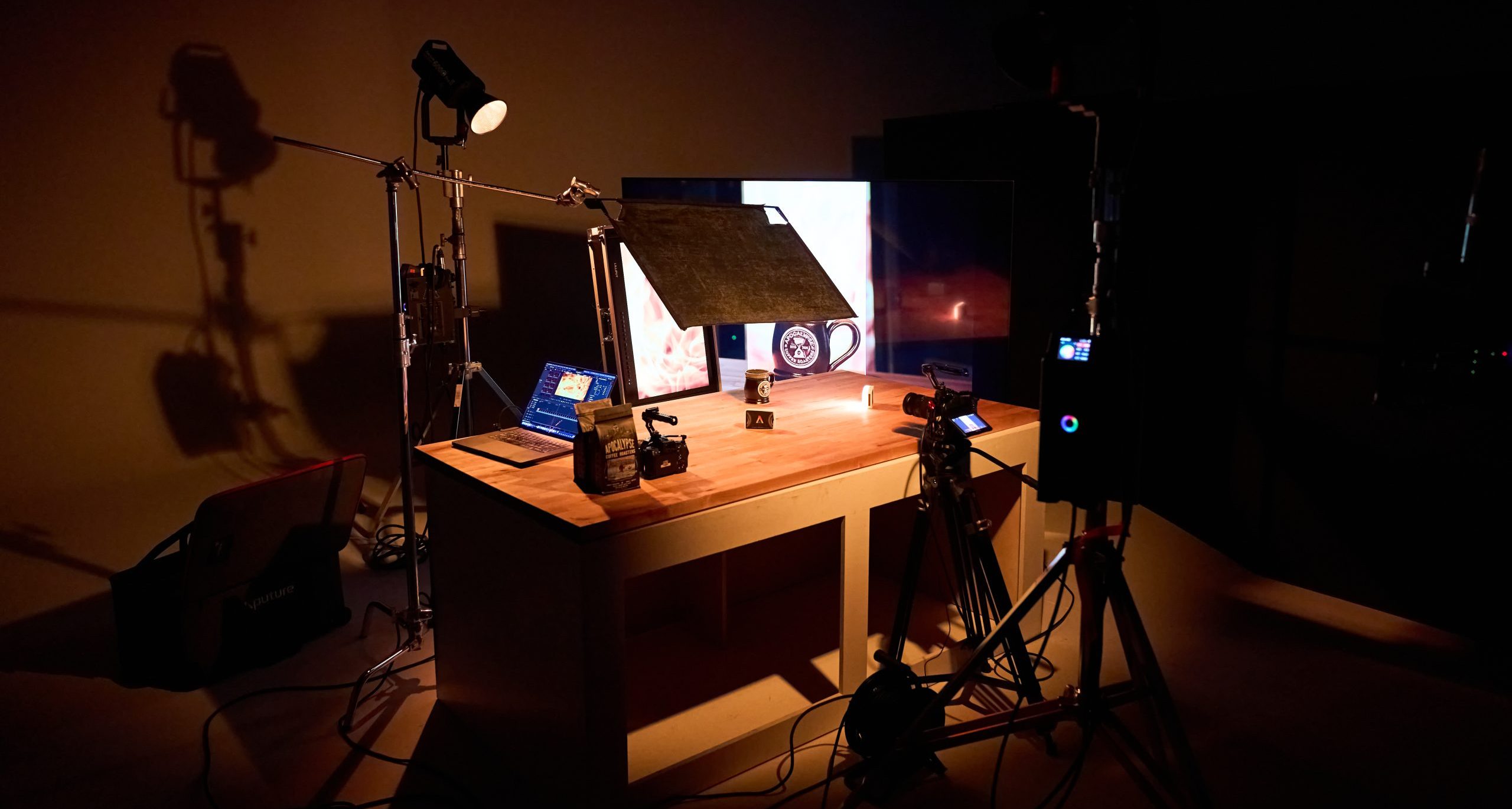
Post-Production and Retouching: What to Expect from a Professional White-Background Product Photography Service
A BEHIND-THE-SCENES LOOK AT HOW PRO STUDIOS TURN RAW CAPTURES INTO HIGH-PERFORMING E-COMMERCE ASSETS
Everyone knows that in photography, the shoot itself is only half the trouble. Prepping can be an uphill battle, and lighting can be challenging, but the real magic happens in post-production. No production is complete until the raw captures are successfully translated into commercially viable assets.
Professional product images are crucial for any business seeking to increase online sales and develop effective marketing materials for its products and online store. High-quality visuals can help brands and businesses establish credibility, attract customers, and drive conversions in the competitive e-commerce landscape.
Consequently, most professional studios treat post-production as a critical part of the production pipeline, not an afterthought. This article breaks down what actually happens after the shutter clicks, what high-end studios deliver behind the scenes, and why this “invisible” work is one of the biggest differentiators between DIY product photography and professional white-background results.
Post Production In White Background Photography

If post-production in product photography is non-negotiable, it becomes mission-critical for white-background images. It is far more complex than lifting exposure, dialing in a “whites” slider, and calling it a day. On a white set, the background is an unforgiving reference point for exposure, color accuracy, and consistency.
White-background product photos, therefore, rely on post-production to accomplish several tasks simultaneously. Here are a few ways post-production makes white-background product photography the high-performing workhorse it is.
Eliminates Micro-Imperfections
Minor flaws are more noticeable against a white background. During the post-production process, these are removed, and the product is polished, even while maintaining its original features.
Normalizes Uneven Whites
Even with perfect lighting, white backgrounds rarely appear perfectly even in-camera, and often seem off-white instead of pure white. Subtle gradients, falloff, and shadow pockets can make the frame look dull or inconsistent. Post-production ensures that whites are adjusted to marketplace-compliant brightness levels without compromising the product’s quality.
Corrects Color Drift and Reflective Contamination
White surfaces can reflect light onto the product, causing unwanted color tints. This is especially true for shiny items. Retouching restores the product’s true colors, ensuring it looks just as it does in person.
Shaping and Standardizing Shadows
The shadow cast by a product often has weight and dimension. Harsh shadows, usually caused by direct lighting, are a common issue that post-production addresses to maintain a natural and consistent shadow appearance. Post-production refines these shadows, keeping them natural so that the entire catalog appears unified instead of assembled from unrelated shoots.
Ensures Perfect Cropping and Framing
Post-production ensures consistency in spacing, alignment, and orientation across all product images. This helps improve the user experience, facilitates testing, and ensures compliance with marketplace rules. Well-framed products look better, load faster, and feel more high-end.
Post Production of White Background Images: A Professional Photography Studio’s Workflow

Professional photography studios typically adopt a multi-stage workflow to refine white background images. The process generally varies with each service provider, but most studios follow this process:
Stage 1: RAW Image Selection and Culling
Immediately after the shoot, raw photos are reviewed to determine which ones meet the technical and creative standards of the brand and studio. This selection process involves reviewing the shot list and selecting the best images from different angles to ensure the product is fully covered. Usually, the photographer is looking to make sure:
- Critical surfaces are in sharp focus
- There is balanced, controlled lighting
- Proper highlight and shadow geometry have been covered
- There is minimal glare or unwanted reflections
- Color has been captured accurately
- There is a correct angle, lens choice, and perspective
Stage 2: Exposure and Tonal Correction
Here, the goal is to get the colors and depth of the image just right. This phase typically includes checking the following:
- Exposure: To set the overall brightness without clipping important detail.
- White balance: To neutralize color casts from the lighting environment.
- Contrast: To give the product shape and separation from the background.
- Highlight roll-off: To maintain smooth, bright areas instead of harsh or blown-out ones.
- Shadow density: To maintain depth without crushing details into pure black.
- Midtone balance: To ensure the product’s surface, labels, and textures read clearly.
Stage 3: Background Cleaning and White-Point Correction
This is one of the most technical parts of white-background editing. Now, the focus moves from just good exposure to making the image look clean and ready for e-commerce. The aim is to get a pure white background that meets marketplace standards, while still looking natural next to the product. To achieve this, retouchers combine the following advanced techniques:
- Manual masking – isolating the product with clean, controlled selections rather than relying on crude automatic tools.
- Frequency separation – smoothing out unwanted texture or banding in the background while preserving product detail.
- Dodge and burn – selectively brightening or darkening areas to even out gradients and remove subtle patches.
- Advanced luminosity selections – targeting specific tonal ranges to lift the background to pure white without flattening the product.
- Precision edge refinement – especially around reflective, translucent, or finely detailed edges.
- Gentle feathering – softening transitions where shadows meet the background so the product doesn’t look like a sticker.
Stage 4: Dust, Scratch, and Blemish Removal
Even in well-controlled studios, minor imperfections can still be visible in photos. On a white background, these are even easier to spot. Retouchers carefully remove these distractions, especially on materials such as metal, plastic, and glass, where reflections and textures require special attention. The goal is to achieve a clean image that still appears realistic, without an overly airbrushed appearance.
Stage 5: Color Correction and Color Matching
Color accuracy is one of the biggest separators between DIY and professional product photography. Uncalibrated lighting results in unusual hues that can significantly impact returns and customer complaints. Professional color workflows typically include:
- Manual adjustment in the LAB color space
- Matching images to physical samples under controlled light
- Neutralizing environmental color casts
- Rebuilding accurate tones through blend modes
- Ensuring consistent color across entire collections
Stage 6: Shape Correction, Straightening, and Geometry Fixes
This stage focuses on refining the product’s placement within the frame. Even when items are carefully styled on set, the camera’s perspective, lens choice, or minor shifts in positioning can cause specific disruptions. In post-production, retouchers correct these issues by gently reshaping the products’ forms to make them appear stable and symmetrical.
Stage 7: Shadow Creation or Enhancement
White-background images can look flat if shadows are too harsh or missing. Shadows add depth and make the product feel more realistic. The way lights are set up during the shoot affects how shadows look, and these are refined in post-production. At this stage, the retoucher enhances the shadows to make them look natural and help the product stand out, while removing any harsh or distracting spots. Where the original capture produced weak or inconsistent shadows, calibrated drop shadows are built in post to anchor the product convincingly to the background.
Stage 8: Clipping, Masking, and Path Creation
Once the product and shadows are refined, many studios focus on flexibility, including clipping, masking, and path creation. Here, clean, vector-based paths are drawn around the product, allowing it to be isolated from the background with complete control. This enables design teams to swap backgrounds, place products into more complex layouts, or overlay graphics and typography without rough edges or artifacts.
Stage 9: Cropping, Alignment, and Composition Standardization
At this stage, the image looks polished, but it still needs standard cropping and composition before it’s ready to sell. This step ensures the product is consistently positioned in the same location in every image. Consistent margins and spacing make product listings look neat and organized. Safe zones are maintained to ensure that nothing important is cut off in different layouts. In some cases, studios apply rule-of-thirds or edge alignment frameworks when this supports the brand’s visual language, but even then, the rules are applied consistently. Dimension ratios are standardized by product category and platform, allowing shoppers to navigate hundreds of SKUs without experiencing jarring shifts in scale or framing. The result is a catalog that feels cohesive and intentional, loads neatly into marketplace templates, and passes visual checks with fewer revisions and faster approvals.
Stage 10: File Optimization for Speed and Platform Compliance
The final step is to ensure that images are optimized and ready for various platforms. File size is adjusted to ensure product images load quickly, which benefits both user experience and SEO. Studios don’t just deliver one file; they create several versions for sites like Amazon, Shopify, and others. High-res files are saved for print, while web images are compressed for speed without losing quality. Transparent PNGs and mobile-friendly versions are also made. When done right, images look sharp, load fast, and help boost sales across all channels.
What Retouching Should Never Change

A professional white-background photography service understands the distinction between enhancing an image and altering the product. Post-production can enhance photos, but it should never alter what the product truly is. Ethical editing maintains customer trust, adheres to marketplace regulations, and safeguards the brand. By showing products honestly, it builds trust and reduces returns. Post-production should never:
- Alter the product’s true color or introduce hues not visible in real life.
- Change the shape, silhouette, or perceived size.
- Remove essential textures such as fabric grain, brushstrokes, metal brushing, or leather pores.
- Add features, engravings, reflections, or embellishments that do not exist on the physical product.
- Over-smooth metallic, glass, or fabric surfaces to the point of looking artificial.
- Manipulate imperfections that define the product’s material identity.
- Mislead buyers about finish, gloss level, transparency, or build quality.
Frequently Asked Questions About Post-Production And Retouching White Background Images
What Is The Difference Between Editing And Retouching?
Editing covers overall changes, such as exposure, white balance, contrast, and color accuracy, as well as cleaning up the background. Retouching is a more detailed process that addresses surface flaws, texture inconsistencies, and uneven edges. Editing brings clarity, while retouching adds polish. Both are essential for high-end white background photography.
Can Retouching Make Products Look Fake?
Yes. Over-editing is a common problem in DIY. If surfaces are too smooth, colors are too bright, or shadows are removed, products can look fake. Ethical editing enhances images without altering their shape, texture, or material. The goal is always to keep things real, rather than reinventing the product.
Do Marketplace Platforms Like Amazon Require Specific Post-Production Standards?
Yes. Platforms like Amazon, Google Shopping, Walmart, and Shopify have strict image rules. These cover background color, minimum resolution, cropping, color accuracy, and limits on added effects. Professional studios are aware of these rules and ensure that every image meets them and performs well in listings and advertisements.
How Long Does Professional Post-Production Usually Take?
The duration of post-production depends on the number of images, the complexity of the products, and the extent of retouching required. Standard white-background images typically take 24 to 72 hours to process, but items with a shiny finish may require longer processing times. Brands with numerous products often receive edits in batches to keep things moving. Professional studios offer flexible timelines and competitive prices for businesses of any size, ensuring that growing brands receive both quality and value.
Ready to Get Started?

At POLA, post-production is an integral part of the production line. Every image undergoes a meticulous, multi-editor process that ultimately produces product images that sell. For e-commerce platforms and digital campaigns, POLA images are delivered in production-ready formats: correctly named, sized, cropped, and aligned to fit specific marketplace templates, internal brand guidelines, and web performance requirements. The result is a catalog of white-background images that look cohesive across hundreds of SKUs and can be deployed immediately across online stores, marketplace listings, and ad creative.

Why Choosing the Perfect White Background for Product Photography Matters
MATCHING THE WHITE BACKGROUND TO THE PRODUCT, THE BRAND, AND THE STORY BEING TOLD
Digital commerce is officially in the era where visuals and text are co-collaborators in the business of selling. If these two make a great pair, consider the white background the silent strategist in the frame. It serves the mission with clarity and neutrality, providing a sense of premium that product photos on other backgrounds rarely achieve.
Choosing the perfect white background involves considering both the technical aspects and its strategic role in shaping brand perception and driving commercial success. Before exploring the options, let’s look at why this decision matters.
What Are The Best White Backgrounds For Product Photography?

No two white backgrounds are alike. Two surfaces can look identical, but react differently once the lights come on. The best white background depends on the product material, lighting style, reflective surfaces, and the mood the business wants to communicate. In commercial settings, white backgrounds are chosen as deliberately as lenses, lighting modifiers, or camera bodies.
Pure Matte White Paper Rolls
Matte white paper remains the industry standard for a reason. Matte means the surface is non-glossy and does not shine. It absorbs light rather than reflecting it, thereby controlling reflections, hotspots, and unwanted shine. A fresh paper roll delivers a clean, seamless sweep with no visible horizon line, ideal for classic, undistracted product shots.
Pure Matte White Paper Rolls Are Best for:
- Beauty products
- Fashion accessories
- Packaged goods
These products favor smooth, uniform surfaces that do not compete with their labels, textures, or branding. When properly rolled, a matte paper background transitions smoothly from vertical to horizontal without visible creases or edges, resulting in an “infinite white” appearance.
PVC White Boards
PVC boards add structure and durability to the white background toolkit. PVC is a rigid, wipeable plastic that is slightly reflective, providing a hint of gloss without reflecting too much light. This makes them ideal when the product benefits from a subtle sheen beneath it.
Whiteboards are best suited for:
- Skincare
- Food items
- Modern homeware, especially those featuring liquids, powders, or props that can mark surfaces
Its cleanability is an advantage.
White Acrylic
White acrylic offers a distinct visual effect. Unlike matte paper, which absorbs light and stays subdued, acrylic reflects light to produce a subtle mirrored effect.
It is best for:
- Luxury items
- Tech devices
- Jewelry
Acrylic backgrounds create a gentle reflection of the product, grounding it and adding depth to the frame. With the proper lighting, acrylic surfaces can make products appear to rest on a clean, luminous plane, especially when highlights are well-positioned. However, acrylic is less forgiving than matte backgrounds, as it reveals dust and scratches and requires careful cleaning. When maintained properly, however, it can provide a polished, elevated appearance that is suitable for premium branding.
Cyclorama Walls (Cyc Walls)
Cyclorama walls are the large-scale version of an infinite white backdrop. They create a continuous, horizonless space where the background feels limitless.
Cyclorama Walls Are Best for:
- Large products
- Apparel shoots
- Lifestyle product demonstrations
Cyclorama walls offer ample space for composition and creative expression, accommodating models, furniture, or complete sets arranged around a product. The absence of visible edges makes the subject feel grounded in space without confinement, ideal for clean, contemporary visuals. Cyc walls handle multiple lighting setups, camera angles, and movements without background changes, making them efficient for complex shoot days.
White Textured Surfaces
White backgrounds do not need to be perfectly flat. Textured white surfaces, such as plaster, painted foam board, linen, stone, or handcrafted panels, introduce subtle character without distracting from the subject. These backgrounds retain the benefits of white while adding an understated personality.
White Textured Surfaces Are Best for:
- Editorial product photography
- Natural beauty brands
- Artisan goods
Fine texture catches the light in nuanced ways, adding depth and visual richness to the image while keeping the product as the central subject. A recognizable, textured white surface can also become part of a brand’s visual identity.
How to Choose the Best White Background Suitable for Product Photos

The suitability of a white background varies by product category, depending on its response to lighting, color representation, and performance across a catalog. Consider the following criteria before selecting the optimal white background for product photography.
Product Material and Finish
Product surfaces dictate how a white background should perform. Glossy, mirrored, or metallic finishes pick up every reflection and hotspot in the environment and need softer, more diffused lighting. Matte or textured products can handle slightly more reflective whites or subtle sheens without distracting from the form.
Glass, chrome, foil packaging, patent leather, polished plastic, and glazed ceramics often benefit from matte or low-sheen whites that absorb light instead of casting it back into the lens. Fabric, cardboard, powder-coated metal, and other non-reflective surfaces create enough visual interest on their own, making them more flexible with background material.
Surface Behavior Under Light
White is only “white” relative to how it is lit. Some white surfaces brighten quickly as soon as light hits them, racing toward overexposure and losing detail. Others stay neutral and contained, even under strong illumination.
Brand Tone and Visual Identity
A brand rooted in futuristic minimalism may lean toward crisp, pure white with minimal texture, straight lines, and controlled shadows. A brand focused on natural ingredients or handmade products may benefit from soft, off-white tones with visible surface grain, subtle imperfections, or gentle warmth in the highlights.
Editing Workflow
Post-production is a critical consideration in the selection process. Some white backgrounds separate cleanly from the subject during editing, while others introduce halos, color spill, or ambiguous edges that slow workflow. A background that appears adequate on set may become a major obstacle during retouching.
Retouchers typically prefer backgrounds that:
- Sit close to neutral in color.
- Do not introduce banding or heavy gradients.
- Provide a clear definition of the product’s edge.
- Avoid casting visible color into reflective surfaces.
The ease of refining the white background, removing dust or marks, and standardizing exposures directly speeds up the retouching process. Over time, this efficiency results in shorter turnaround times and more consistent deliverables throughout the image library.
White Background Materials Not Suitable for Product Photography
Not all white surfaces are suitable for product photography. Some materials may appear white to the eye but perform poorly under studio lighting. Below are the white background materials that should never be used for product photography, along with the technical reasons why they just don’t work.
Glossy Poster Boards
Glossy poster boards can be a costly mistake in DIY product photography. Their shiny coating reflects every light source in the room, causing hotspots, streaks, sharp glare patches, and blown-out highlights that are impossible to edit cleanly.
Wrinkled Fabric, Bedsheets, or Tablecloths
Using fabric as a “white background” is a common mistake in product photography. Under studio lighting, even the smallest wrinkles become visible, and shadows mar the clean, seamless look required for e-commerce images.
Painted Walls (Especially Semi-Gloss or Old Paint)
White walls seem handy, but rarely produce professional results. Painted walls often have roller marks, uneven patches, micro-textures, or discoloration that become visible under photography lighting. Even matte paint is not fully non-reflective; it reflects more light than expected, resulting in unpredictable lighting behavior.
Cheap Foam Boards With Blue or Gray Tint
Many foam boards are marketed as “white,” lean, cool, or warm. Cameras detect these color shifts immediately, resulting in inaccurate product representation and more time spent on color correction. For accurate product representation, particularly in fashion, beauty, and technology, tinted white backgrounds are unsuitable.
Shiny Ceramic Tiles
Ceramic tiles may look sleek, but their glossy glaze reflects light like a mirror. Every softbox, reflector, or window appears as a reflection on the tile.
Setting Up a White Background for Different Themes and Uses

White backgrounds can adapt to multiple themes with subtle adjustments. Below are five main “white background modes” and where each one fits.
High-Key Commercial
High-key commercial white is the purest, most “platform-friendly” version of white background product photography. The frame is bright, with minimal shadows and even lighting from edge to edge. This is used for marketplace listings, e-commerce catalogs, mass retail imagery, and product comparison charts.
Editorial White
Editorial white maintains a clean background while allowing more depth, character, and tonal variation. Slight shadows, contrast, and soft texture introduce a human, tactile feel without losing the benefits of a white backdrop. This approach is typically used for beauty campaigns, lifestyle-driven brands, brand storytelling content, and lookbooks and social media features.
Minimalist Luxury White
Minimalist luxury white favors controlled reflections, sculpted shadows, and polished surfaces that echo the product’s premium positioning. Acrylic, satin-finish surfaces, or ultra-clean matte backgrounds often feature here. This is typically the theme for fragrance bottles, watches, jewelry, premium skincare and cosmetics, and high-end tech accessories.
Technical White
Technical white is engineered for accuracy above all else. It prioritizes flat lighting, distortion-free angles, and faithful color rendering. This mode is standard when products must be represented as precise objects rather than styled props. This is adopted for tech accessories and devices, hardware, tools, and components, and lab-grade products, scientific equipment, and industrial catalogs.
Creative White
Creative white allows for greater experimentation in the foreground and midground through expressive shadows, gradients, props, and graphic compositions. Here, the white serves as a canvas rather than merely a neutral field. This approach is often employed for social media campaigns, launch teasers, modern brand storytelling, and seasonal or themed content.
Lighting Setups to Match Each White Background Type
Lighting determines the perceived whiteness of the background and influences how the product is presented. One background can appear flat in one photo and luxurious in another, depending on the lighting. Choosing the right lighting setup for each white surface is essential to achieving the desired visual outcome.
Matte Paper plus Softboxes
Matte paper paired with large, diffused softboxes produces smooth, even illumination without harsh hotspots. This is best for standard catalog production and high-key commercial whites.
Acrylic plus Rim Light
White acrylic comes alive with rim lighting or backlighting. A rim light placed behind or slightly off to the side of the product enhances edge definition and introduces a subtle reflection on the acrylic surface. This combination is ideal for luxury items, such as watches, jewelry, fragrances, and high-end tech devices.
PVC Board plus Overhead Diffusion
PVC boards work well with diffused overhead lighting, such as a large softbox, scrim, or umbrella placed above the setup. This approach smoothes reflections while retaining a clean, contemporary feel. This is best for cosmetics and skincare, cooking products, plated dishes, and modern homeware and kitchen tools.
Cyclorama Wall plus Broad Fill Lighting
Cyclorama walls need wide, even coverage. Broad fill lighting ensures there are no visible fall-offs or gradients. This is ideal for large products, such as furniture, apparel, on-model shoots, lookbooks, and lifestyle product demonstrations, in a limitless white space.
Textured Whites plus Side Lighting
Textured backgrounds like plaster, linen, and stone shine when paired with gentle side lighting. Side light rakes across the surface, catching micro-details and adding subtle depth. This is ideal for artisanal brands and handcrafted goods, natural beauty and wellness products, and editorial-style campaigns.
Translucent Whites plus Backlighting
Translucent surfaces, such as frosted acrylic or diffusion panels, may be lit from behind to create a luminous, halo-like effect. The background glows, while the product sits in front, often with additional soft key light. This may be best suited for high-end beauty and skincare products, such as serums, mists, and those with translucent packaging, and futuristic or clinical brand aesthetics. Backlighting adds visual energy and a sense of elevation, enhancing the product’s radiance and aspirational appeal.
Frequently Asked Questions About Choosing the Perfect White Background for Photography
Is Pure White Always The Best?
No. Pure white is best for marketplaces and catalogs; editorial projects may benefit from textured or off-white backgrounds.
Can White Backgrounds Work For Glossy Or Reflective Products?
Yes, white backgrounds can work beautifully for glossy or reflective products. However, this best works when supported by diffused lighting and deliberate shadow control.
Does The Material Of The Background Affect Color Accuracy?
Absolutely. The background material and finish have a direct impact on color accuracy. Reflective whites may bounce colored light from nearby objects or light sources.
Should The Background Be White In-Camera Or Fixed In Editing?
The background should be rendered as close to white as possible in-camera. It can preserve natural shadows, prevent banding or halo artifacts, and minimize the need for extensive editing, which can cause the product to appear flat or create edge issues.
How Often Should White Backdrops Be Replaced?
White paper backdrops should be trimmed or replaced regularly, especially in high-traffic areas such as studios. PVC and acrylic surfaces have longer lifespans but may require ongoing maintenance. Once discoloration, scratches, or stains begin to appear under standard lighting, the backdrop is no longer suitable and should be replaced to maintain a professional, uniform appearance in the catalog.
Ready to Get Started?

The quality of white background photos depends as much on the photographer as it does on the background. Even the best backgrounds may underperform in the wrong hands. This is why the studio behind the shot matters as much as the backdrop in front of the lens.
At POLA, backgrounds are only a small part of the big picture. Every shoot is executed within a controlled lighting ecosystem that eliminates color spill, balances shadow geometry, and preserves true-to-life detail across SKUs.
Whether the goal is marketplace compliance, a conversion-optimized catalog, or high-end brand imagery, POLA offers an environment designed to present products as premium assets that sell themselves.
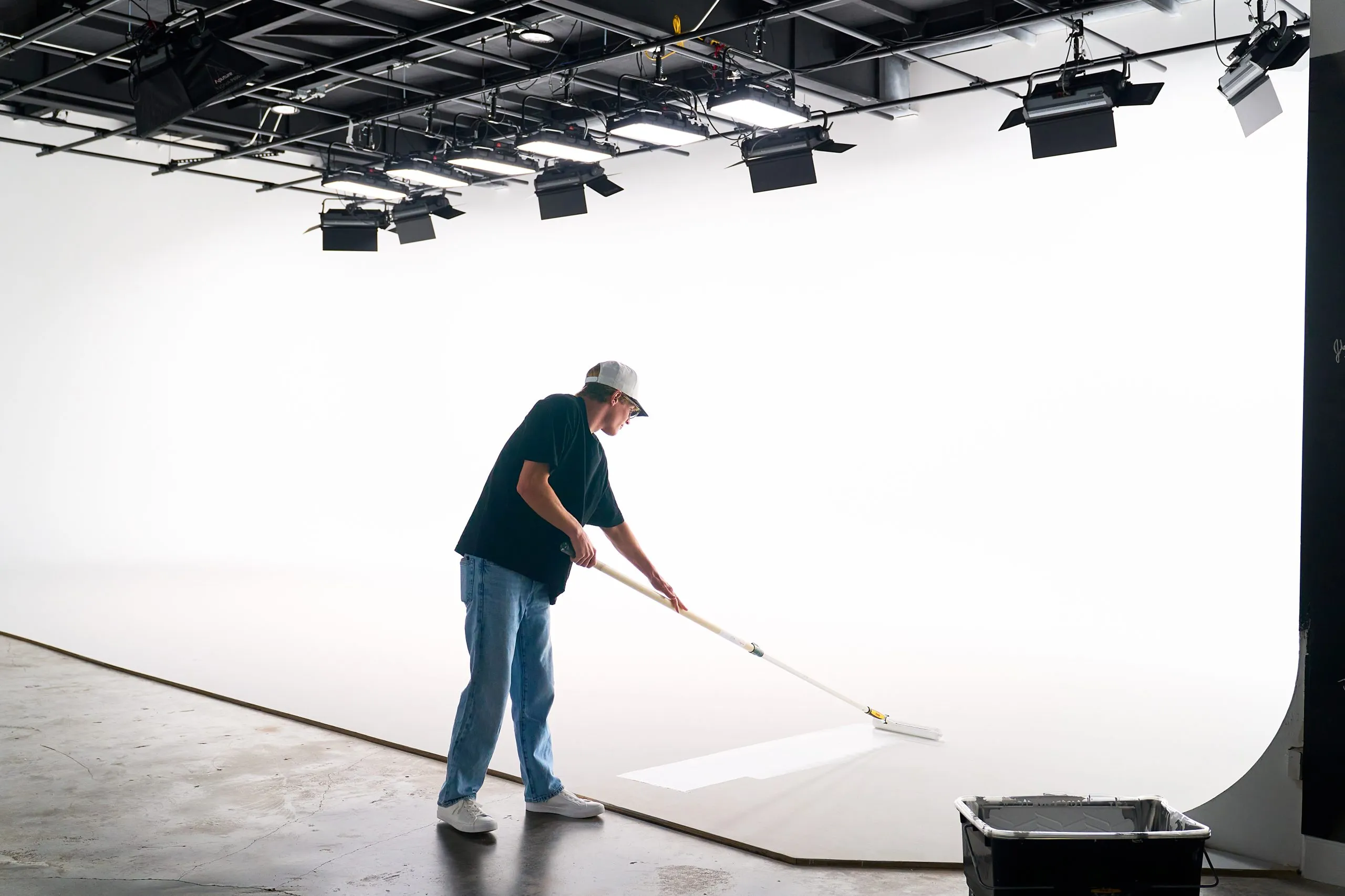
DIY versus Professional White Background Product Photography: When to Hire a Service
COST, QUALITY, AND SCALABILITY DIFFERENCES BETWEEN DIY SETUPS AND PROFESSIONAL WHITE BACKGROUND PHOTOGRAPHY SERVICES
In some respects, white-background product photography is the unsung hero of e-commerce. Marketplaces love it, buyers are enamored by it, and every so often, it manages to achieve what entire ad campaigns struggle to do — sell.
Yet, when it comes to execution, many business owners find themselves torn between handling it in-house and hiring a professional product photography service. But this isn’t merely a choice between “good” and “better.” The disparity between the two options can be the difference between whether a product converts or stalls, whether a listing is approved or rejected, and whether a brand looks premium or somewhat cheap.
The decision-making process isn’t simple either. To make an informed choice, businesses must consider their budget, timelines, in-house expertise, equipment, SKU volume, and post-production.
The following sections unpack the what, how, and why behind outsourcing white background product photography. It explores when to keep it in-house and when it is smarter to hire a professional studio, along with the trade-offs, risks, and returns of each option.
The Appeal of DIY Product Photography
Before smartphones became creative powerhouses, product photography was a privilege reserved for major retailers with in-house studios and dedicated staff photographers. The rise of e-commerce and the evolution of smartphones capable of rivaling entry-level DSLRs changed that landscape entirely.
For small businesses and early sellers, DIY product photography provides a fast and low-barrier entry to getting products online. It offers complete creative control, room to experiment, and a low-pressure means of learning the basics of presentation and composition.
The biggest draw is cost efficiency. Very few professional studios with elaborate gear and setups can compete with the nearly insignificant price of a basic lightbox, budget lighting kit, and a white sweep backdrop. If production needs to be done immediately, DIY may also have some appeal since assets can be shot, edited, and uploaded in a matter of hours without the hassle of booking or scheduling.
So, where does DIY product photography work best?
It may be a practical choice for smaller businesses testing product–market fit and for brands managing only a few SKUs, or producing lifestyle content. They may also work on behind-the-scenes visuals or prototype photos where pixel-perfect precision isn’t an absolute necessity. If hiring a professional service would significantly impact the budget meant for actual inventory, DIY product photography may be a cost-friendly solution.
Where DIY Product Photography Begins To Crack

White background product photography demands a level of technical discipline and expertise that most DIY workflows struggle to match. Since it is more about lighting control than the background itself, DIY photographers will typically find themselves wrestling with shadows, reflections, and uneven exposure due to their amateur, uncontrolled setups.
It is also common to find DIY projects with inconsistent whites and inaccurate colors. Without calibrated lighting ratios and a stable color temperature, “white” can quickly drift toward gray or blue, with non-standard lighting introducing hues that distort the product’s real color. Eventually, most DIYers will need to rely heavily on manual retouching to painstakingly fix each image one by one, salvaging usable photos.
Extensive Catalogues (10–20+ SKUs)
Once product lines exceed a dozen SKUs, maintaining uniform lighting and framing becomes nearly impossible. Professional studios address this issue with metered lighting setups and standard replicable layouts, which DIY setups generally lack.
Strict Marketplace Rules
Platforms like Amazon, eBay, and Shopify enforce strict photo standards, including pure white (#FFFFFF) backgrounds, minimum pixel dimensions, and accurate color rendering. Failure to comply can result in listing rejections, reduced visibility, or lower rankings.
Premium Positioning
High-end or luxury products/brands cannot afford visual inconsistency. Even the smallest deviation in white balance and specular highlights can compromise tonal consistency and true-to-life texture; minor variances in white balance or highlight control can signal amateur production and erode perceived quality.
Operational Scale
When new SKUs are added regularly, DIY becomes impractical, especially if there is no dedicated in-house team to manage production. It can slow launches, fragment brand visuals, and increase retouching time per image.
Why Professional Product Photography Always Comes in Clutch
Professional white background product photography consistently outperforms DIY, and the reason is simple: control. Professionals master every variable from light, color, composition, and consistency, while leveraging advanced equipment and post-production workflows that most DIY setups simply can’t match.
Here’s a breakdown of why this difference matters so much.
Lighting and Exposure Control
White-background photography lives or dies by its lighting. Typically, professional studios have elaborate, calibrated lighting systems, complete with strobes, softboxes, and reflectors to achieve perfect exposure ratios between the background and subject. These setups help to create an even, pure white that easily isolates the product without overexposure. DIY setups, by contrast, often depend on ambient or uneven artificial light, producing gray, yellow, or blue tints which generally cheapen the look and require heavy editing before publishing.
Color, Composition, And Framing Consistency
It is common to find DIY photos suffering from color drift. One image may be warm, another cool, and the overall catalogue may be inconsistent. Professional photographers use color-calibrated monitors, high CRI lights, and standardized white balance to ensure that product photos look true-to-life. This accuracy reduces returns and buyer dissatisfaction since what customers see online matches what they receive.
But it isn’t just color inconsistencies that may pose a problem. Angles, distances, and ratios across hundreds of SKUs must also be uniform. Professional photographers follow precise composition frameworks for angles, crop ratios, and camera distances. This uniformity is nearly impossible to replicate across multiple DIY sessions shot on different days with varying setups.
Post-Production Efficiency
The most efficient aspect of professional production is that pros don’t rely on “fixing it later.” They shoot in a way that optimizes the post-production process. When editing is required, they use non-destructive workflows and batch retouching tools to maintain consistency across hundreds of images. DIYers, on the other hand, often spend hours individually cleaning up whites, removing reflections, and adjusting tones — only to end up with uneven results that still fall short of marketplace standards.
Conversion Impact
DIY images, even when great, rarely achieve that premium feel because even minor lighting flaws or tonal inconsistencies subconsciously signal “amateur.” Professional product photography conveys credibility, quality, and brand trust — the trifecta that drives conversions.
Workflow, Equipment, and Expertise
DIY setups may seem cheaper, but they rarely are, especially when time and efficiency are taken into account. While smartphones have made photography more accessible, professional studios invest in specialized gear and streamlined workflows that save brands countless hours.
Return on Investment
Professional product photography often pays for itself through:
- Higher click-through rates (CTR)
- Lower return rates
- Improved ad performance
- Stronger brand recall and trust
Studies show that consistent white-background images can increase conversion rates by up to 30 percent and significantly reduce return rates by offering an accurate visual representation.
Signs It is Time to Hire a Professional Product Photography Service

One of the earliest signals that it is time to ditch the DIY experiment and hire a professional product photographer is inconsistent image quality across the catalog. This may include variations in lighting, shadows, color temperature, and framing that make products appear to belong to different brands. When a supposed white background appears gray, blue, yellow, or has patchy tones, it should be clear that DIY cannot deliver a satisfactory result.
Another strong indicator is a growing gap between how products appear online and how they look in real life. When customers receive items that do not visually match the product photos, it erodes their trust, and return rates may increase exponentially.
This disconnect often coincides with marketplace friction. Platforms like Amazon, eBay, Etsy, Walmart, and Shopify have strict technical standards, and repeated rejections may lead to delisting, while poor-quality images may result in suppressed listings.
These problems typically intensify as the product line expands. Once a catalog expands beyond a handful of SKUs to 10–20 or more, maintaining consistent lighting, angles, cropping, and style across every item becomes challenging without a structured studio workflow.
When there is significant strain on operations due to long hours spent troubleshooting lighting, reshooting products, and performing heavy retouching to “fix” basic issues, DIYing may be considered insufficient.
The need for a professional service becomes especially clear at key inflection points, such as when expanding from local to national or international markets, major product launches, rebrands, website overhauls, or investor-facing presentations. These are hardly moments to experiment with DIY.
At this point, the business will require imagery that can serve as a genuine sales asset, not just a record of a product’s appearance. It is even more critical for particularly challenging materials, which require sophisticated lighting to avoid glare, distortion, and color shifts. At the stage where conversion rates plateau despite solid traffic and strong copy, or when photography is expected to influence metrics such as click-through rate, add-to-cart rate, and return reduction, professional product photography shifts from being a luxury to an operational necessity.
Common Myths About Hiring Professionals
Here are some of the most common myths that often discourage brands from moving beyond DIY workflows. They sound reasonable, but a closer look reveals why they rarely hold up in real commercial practice.
“It Is Too Expensive.”
In truth, professional product photography is often more cost-effective in the long run. There are often hidden costs associated with DIY, such as re-shooting, manual editing, inconsistent sales performance, and lower conversion rates, which can add up quickly. Getting it right once with a professional studio saves both time and money, especially as SKU volume and marketplace requirements grow.
“Professionals Kill Creativity.”
A professional photography studio amplifies creativity. Professional photographers collaborate closely with brand teams, translating mood boards, creative direction, and campaign goals into technically sound, visually polished imagery.
“Smartphones Are Enough.”
Even the best phone cameras cannot replicate the impact of controlled lighting, color-calibrated monitors, or precise color correction that professional cameras offer. For commercial imagery, consistency matters a lot more than megapixels. Professional setups ensure accurate color, even whites, and repeatable results across hundreds of SKUs.
“We Can Fix It in Editing.”
While post-production is essential, excessive editing can create images that appear flat, artificial, or disconnected from the product’s natural appearance. Professionals shoot with correct exposure, balanced lighting, and clean backgrounds from the start, producing natural results that require minimal retouching. This helps maintain the product’s authenticity.
Making the Transition from DIY to Professional
Transitioning doesn’t need to be an all-or-nothing decision. Many brands can begin with a pilot project and outsource a handful of high-priority SKUs or flagship products. Once they compare turnaround times, visual quality, and conversion performance, the difference is usually clear.
How to Prepare for Collaboration with a Professional Studio:
- Create a Product Inventory Sheet: Include SKUs, angles needed, and platform specifications (Amazon, Shopify, etc.).
- Provide Brand Guidelines: Share logo files, brand colors, and visual style preferences to align with existing assets.
- Request a Trial Batch: Start small — test lighting, framing, and consistency before scaling up.
- Standardize Workflow: Use clear file-naming conventions, delivery formats, and folder structures compatible with the CMS or e-commerce backend.
Once this system is in place, photography scales effortlessly. Internal teams handle spontaneous, social-facing content, while professionals ensure every primary product image meets technical and brand standards.
Frequently Asked Questions About DIY versus Professional White Background Product Photography
Can I Mix DIY And Professional Photos In The Same Catalog?
Maybe; but only if lighting, framing, and color temperature remain consistent. A professional studio can guide the team on how to produce DIY visuals that complement studio work seamlessly.
How Often Should I Reshoot My Product Photos?
Reshoot whenever packaging, features, or materials change or every 12–18 months to keep the catalog current and visually aligned with market trends.
What is The Biggest Advantage Of Going Professional?
Scalability and brand trust. Professionally shot images create visual consistency, which directly improves consumer confidence and increases purchase decisions.
Is Professional Photography Only For Large Brands?
Not at all. Many small and medium-sized businesses work with professionals early to establish credibility quickly and compete with larger competitors.
Ready to Get Started?
The choice between DIY and professional product photography is both aesthetic and strategic. Successful brands and businesses consider product images as having the same significance as inventory and other business infrastructure. When the objective is to build a brand that looks, feels, and performs like a market leader, professional white background photography becomes a non-negotiable asset rather than a discretionary expense.
POLA specializes in professional white background product photography designed for e-commerce environments where perception and precision drive performance. Expect controlled lighting, color accuracy, and platform-compliant file delivery that inspires higher click-through rates, reduced returns, and stronger brand recall.
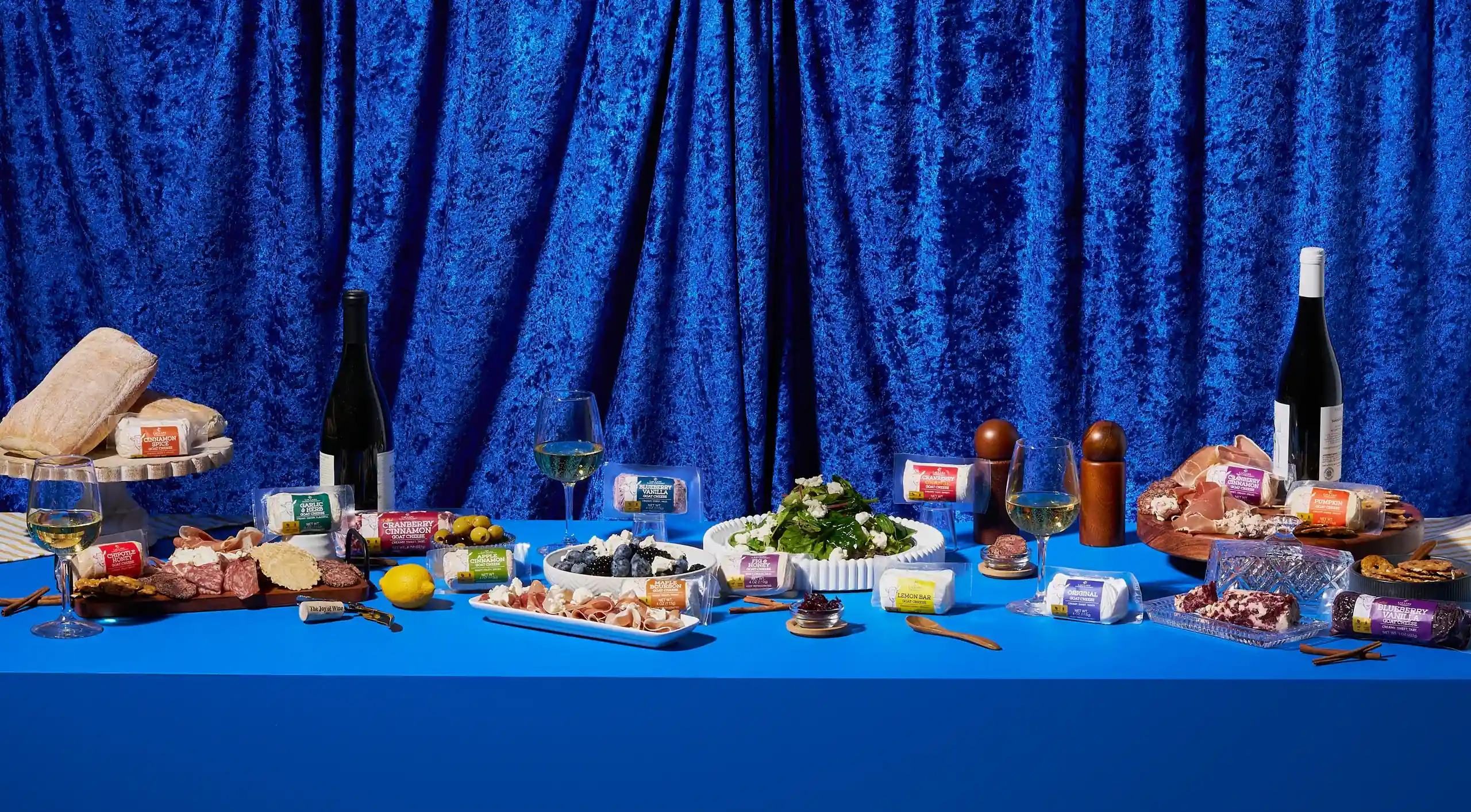
Product Photography Examples: From CPG Branding to E-Commerce Imagery
HOW DIFFERENT TYPES OF PHOTOGRAPHY SUPPORT BRANDING, MAP TO BUYER BEHAVIOR AND DRIVE E-COMMERCE PERFORMANCE
Many product images check all the right boxes: pristine lighting, flawless backgrounds, and compositions that grab the attention of customers and hold it.
Yet, many still fail at the single most important task they are commissioned to do: selling.
There are several reasons for the pattern of underperforming images.
The first, and most pivotal, is that product photography is often treated as a one-size-fits-all venture. In reality, no two product images are identical, not even when they are part of the same SKU, product line, or unit. Each image and corresponding photography style should be used for a specific purpose.
When brands invest heavily in ‘good photos’ that do not convert, it may be because the wrong type of product photography is being used in the wrong context. However, what may work great on a billboard or landing page can be counterproductive in a marketplace listing. Just because an image performs exceptionally well in a CPG brand campaign doesn’t guarantee it will deliver the same results when customers evaluate and compare product options.
As e-commerce has become more visual and increasingly fragmented across platforms, the price of every mismatch has become even steeper. Misaligned images may not only confuse buyers and slow decision-making, but may also misrepresent the product.
This product photography examples guide aims to move product photography beyond an obsession with eye candy. It breaks down the different types of product photography to help brands stop guessing the ideal photo style and begin using the correct format for the right platform, purpose, and customer behavior. Because “good photos” may be nice, but only the right photos are profitable.
What Kind of Product Photography Does My Brand Need?
The primary consideration for the type of product photography a brand needs is the product being sold and the purpose of the image.
Different product categories have distinct visual priorities, technical requirements, and usage expectations. Similarly, not all product images are the same, and swapping campaign images for e-commerce photos can hurt conversions.
However, even within specific product types and image use cases, there are various intersections. Goods in a specific category may benefit from being photographed in multiple styles and various contexts. And different photography styles may work across various contexts and serve similar functions.
The sections below break down product photography across product categories and buyer psychology. Rather than prescribing a single “right” style, this framework can help brands identify which combination(s) of product photography formats make sense for what they sell, where they sell it, and how potential buyers are expected to engage with it.
Consumer Packaged Goods/CPG Product Photography

Consumer packaged goods are everyday products that are frequently purchased and widely distributed. They typically include food and beverages, household essentials, personal care products, cosmetics, and over-the-counter health products. These are not goods that consumers spend much time deliberating over; they are necessities, and purchasing decisions in this case are often made quickly.
The typical CPG customer is convenience-centric and highly inclined to comparison shopping. Hence, for new buyers, brand trust and clear packaging are the two most powerful factors shaping decisions. For returning customers, however, recognizability is particularly critical to retention. The products must look identical to reduce skepticism about their performance.
Below are the core features that appeal to the typical CPG customer, along with the product photography formats that best deliver on each.
Recognizable Products That Stand Out
CPG purchases are generally impulse-leaning. Shoppers often scan thumbnails and shelves and rely on visual shortcuts such as brand color, product shape, and other familiar cues to stop them in their tracks. Consequently, the focus of CPG photography should be a strong, distinctive product silhouette, with legible labels, standout, consistent brand colors, and distraction-free framing. Additionally, since customers are inclined to skim, images must address questions about the size and components of each product.
The best photography formats in this case would be:
- White background packshots as the primary image
- Multi-angle studio shots for reinforcing recognition
- Scale and comparison shots
- Front-facing label shots paired with back-of-pack details
Brand Popularity and Obvious Superiority
With low price points and numerous substitutes, shoppers rely on packaging and image quality as proxies for product integrity and safety. Also, with CPG shoppers frequently comparing near-identical options, product images must make differences obvious. In this case, the photography focus would be:
- Consistent angles and lighting across SKUs
- Clear visual differentiation (flavor, variant, size)
- Easy side-by-side comparison
- Accurate color reproduction
- Sharp focus on seals, textures, and finishes
- Absence of distortion or misleading styling
The best photography formats:
- High-fidelity studio photography
- Detail / macro shots (materials, ingredients, safety seals)
- Variant grid shots
- Consistent multi-SKU studio sets
Product Application
Shoppers are more confident when they can imagine the product in use—even for everyday items.
Photography focus:
- Context that explains the function without overpowering the product
- Natural, believable environments
- Controlled styling that supports comprehension
Best photography formats:
- Light lifestyle photography (secondary images)
- In-context usage shots that demonstrate how/when it’s used
Apparel and Fashion Product Photography

Apparel product photography is a specialized form of commercial photography that fashion brands employ for branding, marketing, advertising, and e-commerce. It involves capturing clothing, accessories, and wearable items in a way that helps customers see, understand, and desire the products without touching or trying them on.
This is an especially critical need for online fashion brands because images are often the only sensory input customers have before making a purchase. Also, unlike CPG, the decision process for apparel customers is more complex. Shoppers typically spend more time evaluating the product’s fit and feel, and the relationship to identity and risk. Consequently, apparel photography is often more people- and context-first. Here are the types of product photography that work best in fashion and why:
On-Model Product Photography
On-model product photography is the primary driver of apparel conversions. In this style of photography, the products are photographed on a human model to show how they look, fit, and behave on a real body. It is considered the closest visual alternative to trying a product on, which may only happen in person.
This works because fashion shoppers often ask “How will this look on someone like me?” long before even inquiring about fabric specifications.
Ghost Mannequin Product Photography
After establishing interest in clothing items or apparel, customers often shift into evaluation mode and proceed to inspect the construction of these products. Ghost mannequin product photography presents the clothing with dimensional accuracy and structural clarity. In this style of photography, the garment is photographed on a mannequin, which is then removed during post-production. In the resulting image, the clothing appears to be worn by an invisible body, and its full shape and structure are clearer to the viewer.
This format often replaces flat lays as brands mature.
Lifestyle/Editorial Fashion Product Photography
This style of product photography is the primary driver of desire and brand differentiation. Here, clothing and accessories are photographed within a story-driven or real-world context to communicate who the product is for and how it may fit into their desired life.
This format is especially popular since fashion is rarely purchased purely for utility. Rather, customers buy into a desirable narrative, and this photography style creates emotional attachment even before rational evaluation begins. It is especially effective for DTC fashion brands, apparel, or garments with premium or mid-to-high price points, as well as social ads and landing pages.
Detail/ Close-Up Apparel Photography
Detail or Close-Up Apparel Photography generally focuses on specific elements of a garment rather than the full outfit. It zooms in on areas that typically communicate quality, construction, and material integrity, as well as details that customers would normally inspect by touch in a physical store. It is used to highlight:
- Fabric texture and weave
- Stitching, seams, and hems
- Buttons, zippers, hardware, and fastenings
- Lining, labels, and finishing details
Flat Lay Product Photography
This is generally considered a secondary support format, not a conversion driver. However, flat lays are generally easy to scan and aesthetically pleasing, even though they lack depth cues. They work best when supporting social content, showing outfit composition, and supplementing on-model images.
Beauty Product Photography

Beauty and personal care products walk the fine line between science, self-image, and sensory promise. In making a beauty- or self-care related purchase, buyers do not only evaluate what the product is, but what it does, how it feels, and how it might change them. Consequently, beauty product photography often leans heavily on communicating efficacy, safety, and aspiration, all in a matter of seconds.
Since customers can neither touch, smell, nor test these products online, photography should provide a substitute for the experience. Below are the product photography types that consistently deliver results in the beauty category, along with the customer behavior or intent that informs each:
Studio Packshot Product Photography
Clean, studio packshots are usually taken on white or neutral backgrounds and primarily form the backbone of beauty product listings. They are designed to respond to the buyer’s first instinct: What exactly is this? The highlight of these shots is the labels, especially where ingredient lists, claims, and certifications are listed.
Macro and Texture Product Photography
The primary purpose of this photography style is to offer a virtual substitute for touch and to prove the quality of the formulation. It is arguably more critical in beauty than in almost any other product category because texture shots can help customers imagine how a product will apply and feel.
Shade, Swatch, and Color-Accuracy Photography
For cosmetics, color accuracy is non-negotiable. Images showing swatches on skin, brushes, or palettes help buyers figure out whether a product might work for them.
Customer behavior informing this style:
- Buyers actively compare shades before committing.
- Returns are often driven by inaccurate color representation.
- Customers expect consistency across images, videos, and real-world use.
Lifestyle and Editorial Beauty Photography
Lifestyle and editorial beauty images can create emotional resonance, especially when the products are set in clean, controlled environments such as bathrooms and vanities or within styled editorial setups like skincare routines. This is especially important for buyers looking to envision the items in their daily routines, but lifestyle images also support brand recall and social engagement.
Food Product Photography

Food and beverage products are sold almost entirely based on anticipation. Since customers can neither taste, smell, nor feel the product before purchase, photography must do the work of signaling freshness, flavor, quality, and safety.
Generally, food shoppers respond to visual appetite cues. As a result, the most effective food photography is evocative and not merely descriptive. Some top-performing food product photography types include:
Lifestyle and Contextual Food Photography
The purpose of this photography style is primarily to elicit emotional connection and inspire use or application. In this scenario, food products are placed in realistic or aspirational settings such as meal times or gatherings. This helps buyers imagine their products in their routines, and the context helps in clarifying portion sizes and serving ideas.
Ingredient-Focused Photography
Ingredient photography highlights what goes into the product, either alongside or integrated into the hero image.
Customer behavior informing this style:
- Shoppers actively check ingredient quality and sourcing.
- Clean, visible ingredients signal health and authenticity.
- Transparency reduces skepticism around processed foods.
Action, Pour, and Motion Photography
Motion-based food imagery, such as pours, splashes, steam, or drips, adds vitality and immediacy to food visuals. These images suggest freshness and elevate perceived sensory payoff. Additionally, movement implies freshness, and the dynamic visuals capture attention in ads and thumbnails. Action shots increase emotional response and appetite appeal.
Consumer Electronics Product Photography
The primary focus of consumer electronics product photography is to explain and sell electronic products visually. Unlike buyers in many other product categories, those in this niche are more analytical and especially risk-averse. Hence, they often make purchases based on the product’s function, performance, and perceived reliability. The goal of this photography category is to both show and tell what the product is and how it works. It also highlights what it may include, and why customers can trust it to perform. Here are a few photography styles that communicate this fairly:
Multi-Angle Product Photography
In this style of photography, the gadget or product is captured from multiple, clearly defined viewpoints. The goal is to document its design, features, and functionality. Typically, multi-angle shots will encompass:
- A front view showing the screen, interface, or primary control surface
- Back views revealing ports, branding, vents, or structural elements
- Side views to communicate thickness, button placement, and edge design
- Top and bottom views to show speakers, charging ports, inputs, or cooling features
- Three-quarter views providing depth and a realistic sense of form
Buyers are inclined to compare specifications visually before reading descriptions, and multiple-angle shots generally reduce the fear of hidden flaws or missing features.
Detail and Macro Product Photography
Detail and macro product photography typically focuses on the smallest but most consequential elements of a consumer electronics product. They zoom in on ports, buttons, seams, surface finishes, materials, indicators, and user interfaces that signal how well the product is designed and built. Where buyers cannot physically handle the device, these close-ups serve as a proxy for inspection.
At higher price points, these small details carry disproportionate weight. Even subtle cues like material texture, machining quality, or interface can be the primary determinant of whether a product feels “worth it” or overpriced.
Exploded-View or Component Photography
Exploded-view or component photography visually deconstructs an electronic product to reveal its internal parts, layers, or assembly structure. It is especially effective for products where performance, durability, or innovation is tied to internal engineering rather than outward appearance.
Technically inclined buyers and professional users often want to understand what they are paying for beyond surface features. Showing internal components reassures buyers that the product is not just a shell around generic parts, but it was thoughtfully constructed.
Home Goods and Furniture Product Photography

Home goods and furniture product photography focuses on capturing items intended for use in living environments. Because these products interact directly with physical space, walls, floors, and other objects, customers evaluate them with strong spatial awareness. Photography, in this case, should help buyers understand how the furniture item fits within the space, relates to surrounding elements, and contributes to the room’s overall aesthetic.
Studio Packshot Product Photography
Clean studio packshots generally isolate the product against neutral backgrounds to remove environmental bias and visual noise. These kinds of images support the close inspection of a product’s form, silhouette, finishes, and details of the construction.
This is especially helpful in cases where buyers need unobstructed views of form, materials, and craftsmanship, and neutral backgrounds support comparison shopping across similar products.
Scale and Comparison Product Photography
Like scale shots for other product categories, scale imagery places furniture in relation to people, room elements, or familiar objects. This helps customers who may struggle to interpret dimensions alone, even when measurements are provided. It may also reduce occurrences of returns and post-purchase regret caused by items being larger or smaller than expected.
Industrial and B2B Product Photography
Industrial and B2B product photography primarily focuses on documentation, technical clarity, and functional proof of the products as opposed to the emotional appeal often emphasized in other product categories. The products in this case generally include machinery, tools, components, equipment, and systems purchased through structured procurement processes rather than impulse or lifestyle desire.
Buyers in this space are typically engineers, procurement teams, or decision-makers evaluating risk, performance, and long-term cost. Images here should be precise, unambiguous, and contextually accurate and serve as visual evidence alongside technical documents, proposals, and compliance materials.
Studio Product Photography
In this scenario, products are presented without distraction for evaluation and comparison. The clean imagery in this case integrates easily into specification sheets, proposals, and catalogs, and a neutral presentation reduces ambiguity during procurement review.
Detail and Component Product Photography
Close-ups highlight materials, joints, connectors, finishes, and assembly quality, which are critical for assessing durability and engineering standards. Typically, engineers and procurement teams assess durability visually before requesting samples, and these details influence long-term cost, maintenance, and reliability decisions.
Environmental Product Photography
Environmental images show equipment installed or operating in real working conditions. This is especially helpful since buyers need confirmation that products perform in actual use cases, not just ideal conditions. Additionally, context images support sales decks, presentations, and stakeholder buy-in. They also demonstrate scale, robustness, and relevance within industry-specific environments.
Frequently Asked Questions on Product Photography Examples
What Type of Photography is Used to Sell a Product?
The generic name for the type of photography used to sell products is ‘product photography’. However, within product photography, there are different photography styles that may be adopted based on the product type, the brand, and the goal of the image or campaign.
What is Needed For Product Photography?
This will vary by the brand, shoot, product, and other elements. At a minimum, product photography requires a camera, good lighting, a clean background, and a device (phone or computer) for post-production.
Which Camera is Used For Product Photography?
The most popular camera choice for product photography is a DSLR or mirrorless camera. This is usually paired with a macro or standard prime lens.
What is the Best Angle For Product Photography?
There is no single best angle for photographing a product. The ideal angle for a product image varies by product type and the buyer’s evaluation needs. In most cases, products will be photographed from multiple angles to provide buyers with the clearest possible perspective.
What is Product Photography Composition?
Product photography composition refers to the intentional arrangement of a product within a frame to make the image easier to understand.
Ready to Get Started?
Most brands unwittingly prioritize aesthetics over commercially viable images by winging the product photography. The shortest route out of the performance pit that is guesswork is choosing a product photography service that does more than talk a big game.
At POLA, product photography is a strategy structurally anchored in purpose and brand identity, and that is what drives results. We help brands stay memorable by producing images that help customers see clearly, evaluate quickly, and buy confidently, until the product stops feeling like an option and becomes the obvious choice.
Our portfolio spans a wide range of product images in action: from e-commerce listings and marketplaces to brand websites and campaign environments. Explore our work to see how planning, technical precision, and context-based execution turn the right images into a commercial advantage.